Understanding Proximity Sensor Technology
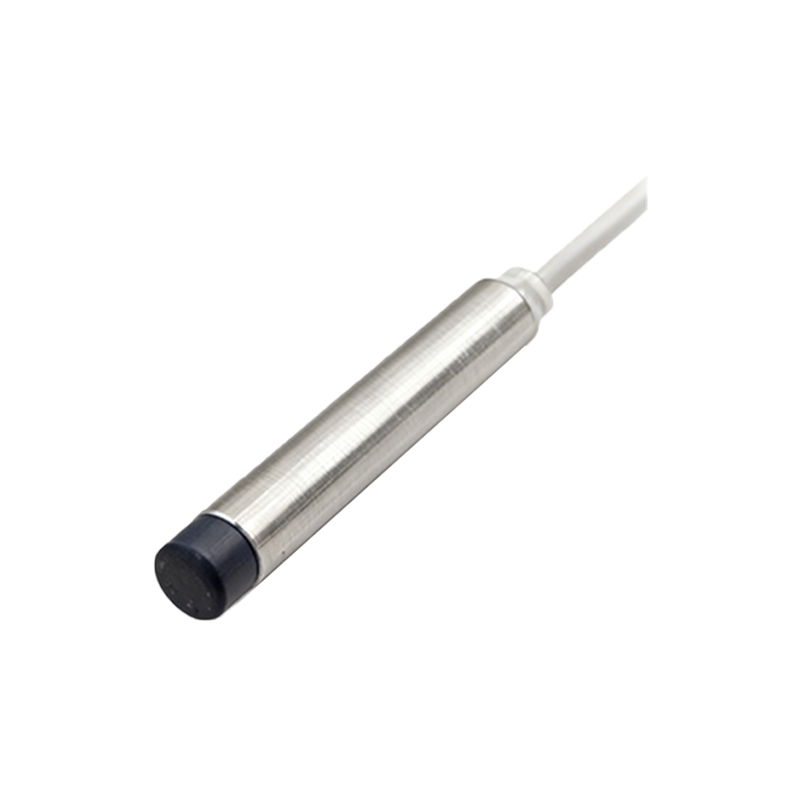
Proximity sensors are non-contact devices designed to detect the presence or absence of objects within a specified range. Utilizing various technologies such as inductive, capacitive, ultrasonic, and photoelectric principles, these sensors are fundamental to modern industrial automation. Inductive sensors, for instance, are ideal for detecting metallic objects, while capacitive variants can sense both metallic and non-metallic materials. The selection of the appropriate sensor type is the first critical step in any installation project, as it directly impacts system reliability, accuracy, and longevity. A professional installation company must possess deep expertise in these technologies to recommend the optimal solution for specific environmental conditions and operational requirements.
The Role of Specialized Installation Companies
Engaging a specialized proximity sensor installation company is crucial for ensuring optimal performance in complex industrial settings. These firms provide end-to-end services, encompassing initial site assessment, system design, sensor calibration, wiring, integration with Programmable Logic Controllers (PLCs), and comprehensive testing. Their engineers are trained to account for factors like electrical noise, temperature extremes, vibration, and potential interference from other machinery. Proper installation not only guarantees accurate detection but also prevents false triggers, reduces maintenance downtime, and extends the sensor's operational life. Companies with a proven track record in sectors like automotive manufacturing, packaging, and material handling bring invaluable industry-specific insights.
Critical Phases in the Installation Process
A systematic installation process is paramount. It begins with a detailed audit of the application, determining the required sensing distance, response time, output type (e.g., NPN or PNP), and housing material. Following this, technicians meticulously plan the mounting location, ensuring the sensor is positioned correctly relative to the target object and is shielded from physical damage or environmental contaminants. Wiring is executed according to strict electrical standards, with proper shielding and grounding to mitigate electromagnetic interference. Finally, rigorous commissioning tests validate that the sensor performs reliably under actual operating conditions, often involving simulation of various production scenarios.
Importance of Calibration and Configuration
Post-installation calibration is a non-negotiable step often overlooked. Even high-quality sensors require precise adjustment to match the specific detection task. Technicians configure sensitivity thresholds, hysteresis, and output delay settings to fine-tune performance. For example, in a high-speed bottling line, a photoelectric sensor must be calibrated to ignore background noise and reliably detect transparent bottles. Professional installers use advanced diagnostic tools to monitor signal strength and stability, making micro-adjustments that maximize efficiency and prevent costly line stoppages.
Long-Term Support and Maintenance Services
The relationship with an installation company should extend beyond the initial setup. Leading providers offer ongoing support, including scheduled maintenance, troubleshooting, and performance optimization. They can implement predictive maintenance schedules by monitoring sensor degradation trends, thereby preventing unplanned failures. Additionally, as production lines are reconfigured or expanded, these companies can seamlessly retrofit or upgrade existing sensor networks. This long-term partnership ensures that the automation infrastructure continues to meet evolving production goals while maintaining the highest safety standards.
Selecting the Right Installation Partner
Choosing a competent installation partner requires careful evaluation. Key criteria include industry certifications (e.g., from ISA or TÜV), experience with similar applications, availability of technical documentation, and responsiveness to service calls. It is advisable to review case studies and seek client testimonials. The ideal partner demonstrates not only technical proficiency but also a commitment to understanding the client's unique operational challenges, offering customized solutions rather than generic packages. This collaborative approach is essential for achieving a robust, future-proof automation system.