Introduction to Proximity Switch Sensors in Motion Control
In the realm of industrial automation, precision and reliability are paramount. The integration of proximity switch sensors for controlling lead screw systems represents a critical advancement in achieving these goals. A lead screw, or power screw, is a mechanical component that translates rotational motion into precise linear motion. This mechanism is fundamental in applications ranging from CNC machinery and 3D printers to robotic arms and assembly lines. The control of this linear motion's start, stop, and positional accuracy is where non-contact proximity sensors prove indispensable. Unlike mechanical limit switches, proximity sensors detect the presence of a metallic target without physical contact, thereby eliminating mechanical wear, reducing maintenance, and enhancing operational speed and longevity.
Operating Principle and Sensor Selection
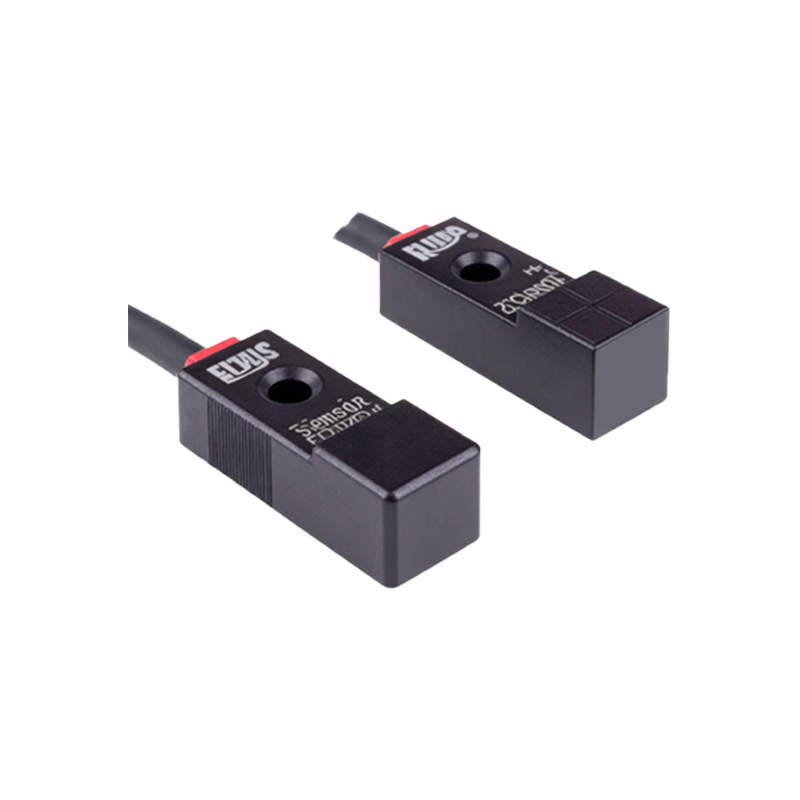
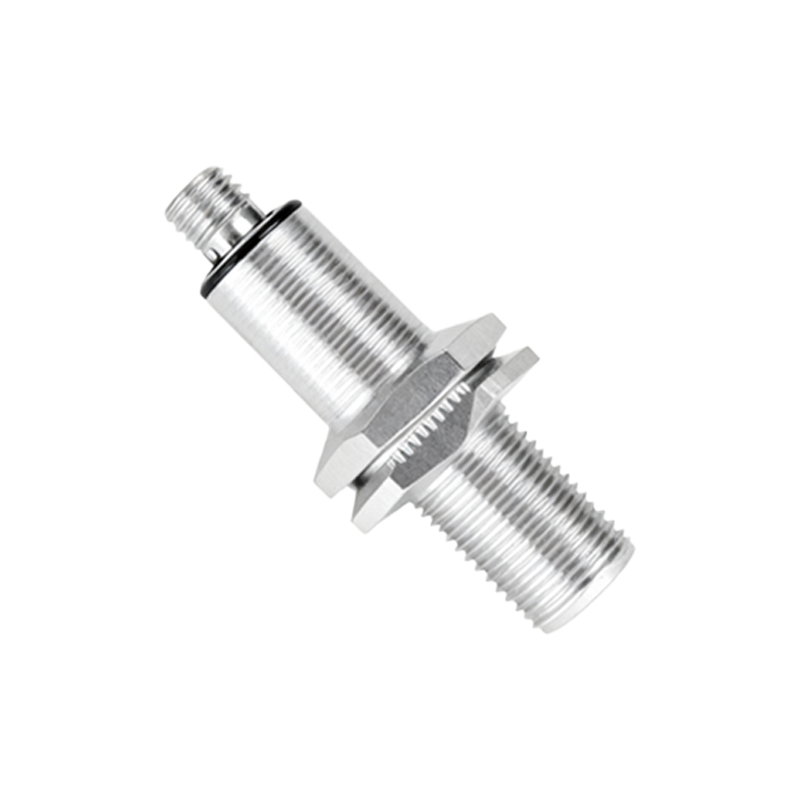
Proximity sensors, specifically inductive types, operate on the principle of electromagnetic induction. The sensor generates an oscillating electromagnetic field. When a metallic target, such as the nut or a flag attached to the moving part of the lead screw assembly, enters this field, eddy currents are induced in the target. This causes a change in the oscillation amplitude, which is detected by the sensor's circuitry, triggering a solid-state output signal. For lead screw control, selecting the right sensor involves key parameters: sensing distance, repeat accuracy, response frequency, and environmental robustness. Shielded sensors are often preferred in tight spaces as they can be mounted flush with metal, while unshielded types offer longer sensing ranges. The target material, typically mild steel, must be considered for the nominal sensing distance specification.
System Integration and Control Logic
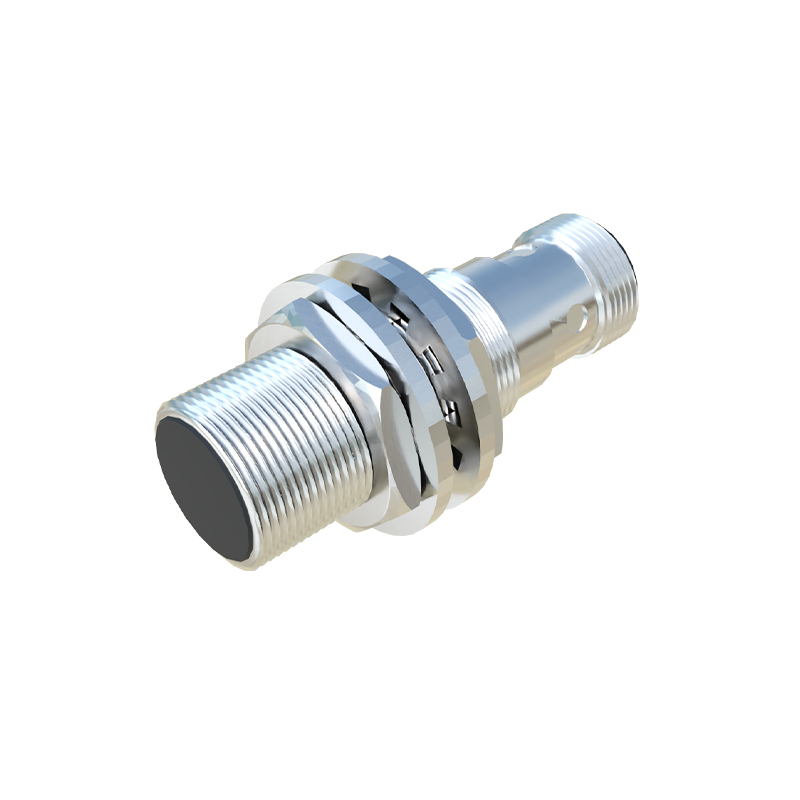
Integrating a proximity sensor into a lead screw control system involves both mechanical mounting and electrical interfacing. Mechanically, the sensor is securely mounted on the stationary frame of the machine, aligned to detect a target mounted on the moving carriage or nut. Electrically, the sensor's output (typically PNP or NPN) is connected to the input module of a Programmable Logic Controller (PLC) or a dedicated motion controller. The control logic programmed into the PLC uses the sensor signal as a precise reference point. For example, a sensor at the home position provides a zero-reference signal for system calibration. Sensors at the extreme ends of travel act as limit switches to prevent over-travel and potential damage. More advanced systems use multiple sensors for intermediate position verification, enabling complex multi-point positioning sequences.
Enhancing Precision and Repeatability
The primary advantage of using proximity sensors over mechanical switches in lead screw systems is the dramatic improvement in positional repeatability. Mechanical switches have inherent bounce and wear that lead to positional drift over time. A high-quality proximity sensor offers repeatability within micrometers, ensuring the lead screw carriage returns to the exact same position cycle after cycle. This is crucial for machining accuracy, pick-and-place operations, and automated testing. Furthermore, the fast response time of modern sensors—often in the microsecond range—allows for high-speed reciprocating motion without signal lag, maximizing machine cycle rates and throughput.
Addressing Challenges and Noise Immunity
While highly effective, these systems face challenges that require careful engineering. Electrical noise from motor drives, especially the stepper or servo motors driving the lead screw, can interfere with sensor signals. Employing sensors with built-in noise immunity, using shielded cables, and ensuring proper grounding are essential practices. Another consideration is the potential for false triggering due to metallic debris or adjacent machine components. Correct sensor positioning, adjustment of the sensing distance, and the use of sensors with teach-in functionality or adjustable hysteresis can mitigate these risks. For harsh environments with coolants, oils, or dust, selecting sensors with high IP ratings (e.g., IP67) ensures reliable operation.
Advanced Applications and Future Trends
Beyond basic limit switching, proximity sensors enable sophisticated closed-loop control strategies. In systems where backlash or thermal expansion might affect absolute accuracy, a sensor can provide a periodic recalibration signal to the controller, correcting any drift. The advent of IO-Link enabled smart sensors adds another layer of capability, allowing for remote parameter configuration, continuous condition monitoring, and predictive maintenance data collection. As Industry 4.0 progresses, the role of the humble proximity sensor evolves from a simple binary switch to an intelligent node in a networked system, providing vital data for optimizing the performance and reliability of lead screw-driven automation.
Conclusion and Best Practices
The implementation of proximity switch sensors for lead screw control is a proven method to enhance the precision, speed, and reliability of linear motion systems. Best practices include: conducting thorough testing with the actual target material; securing stable mounting to prevent vibration-induced misalignment; implementing electrical noise suppression techniques from the design phase; and adhering to manufacturer specifications for operating voltage and temperature ranges. By