Introduction to the X30MX1 Proximity Sensor
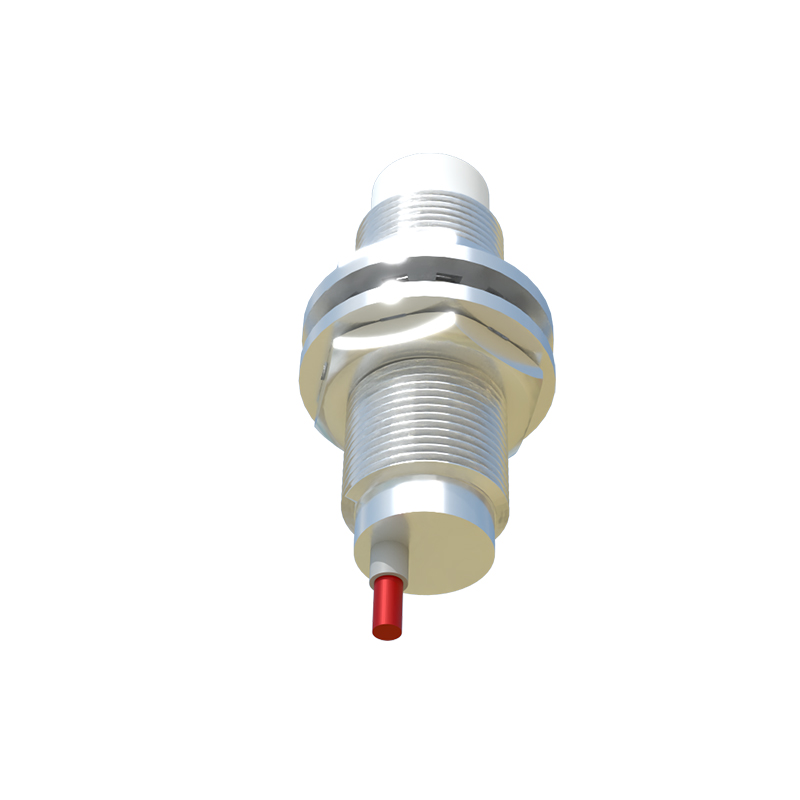
The X30MX1 represents a significant advancement in inductive proximity sensing technology, designed specifically for demanding industrial environments. As a cylindrical, shielded sensor with an M30 housing, it offers robust performance and reliable detection of metallic objects. Its core function is to detect the presence or absence of ferrous and non-ferrous metals without physical contact, thereby eliminating mechanical wear and enabling high-speed operation. The "X" series designation typically indicates enhanced features such as extended sensing ranges, improved temperature stability, or advanced diagnostic capabilities compared to standard models. Engineers and maintenance personnel favor this sensor for its durability, ease of installation, and consistent performance in applications ranging from automotive manufacturing to material handling and packaging machinery.
Key Technical Specifications and Features
The operational characteristics of the X30MX1 are defined by a precise set of specifications. It commonly features a nominal sensing distance of 15mm for steel, though this can vary slightly depending on the target material. The sensor operates on a standard DC voltage range, such as 10-30V DC, ensuring compatibility with most industrial control systems. A critical feature is its short-circuit and reverse polarity protection, which safeguards both the sensor and the connected circuitry from installation errors or electrical faults. The housing is typically constructed from nickel-plated brass or stainless steel, providing high resistance to corrosion, oils, and coolants. Many variants in this family come with an LED status indicator, offering visual confirmation of power and output switching, which is invaluable for quick troubleshooting on the factory floor.
Understanding the Output Configuration
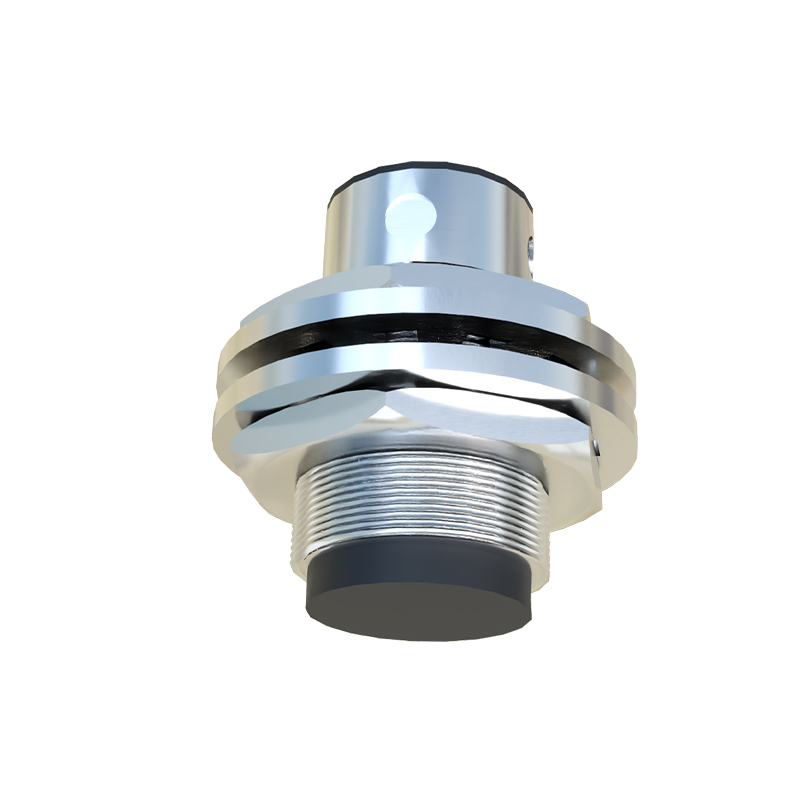
Output configuration is a pivotal selection criterion. The X30MX1 is available in both PNP (sourcing) and NPN (sinking) transistor output types. A PNP version switches the positive voltage to the load, which is the prevalent standard in Europe and for many PLC inputs. Conversely, the NPN version switches the negative or ground side, more common in some Asian markets. The output is normally open (NO), meaning the circuit closes and allows current flow when a target is detected. The switching frequency, often up to 1kHz or higher, defines how quickly the sensor can detect objects passing by, making it suitable for high-speed counting and positioning tasks. The residual current in the "off" state is minimal, preventing unintended triggering of sensitive control inputs.
Installation and Mounting Considerations
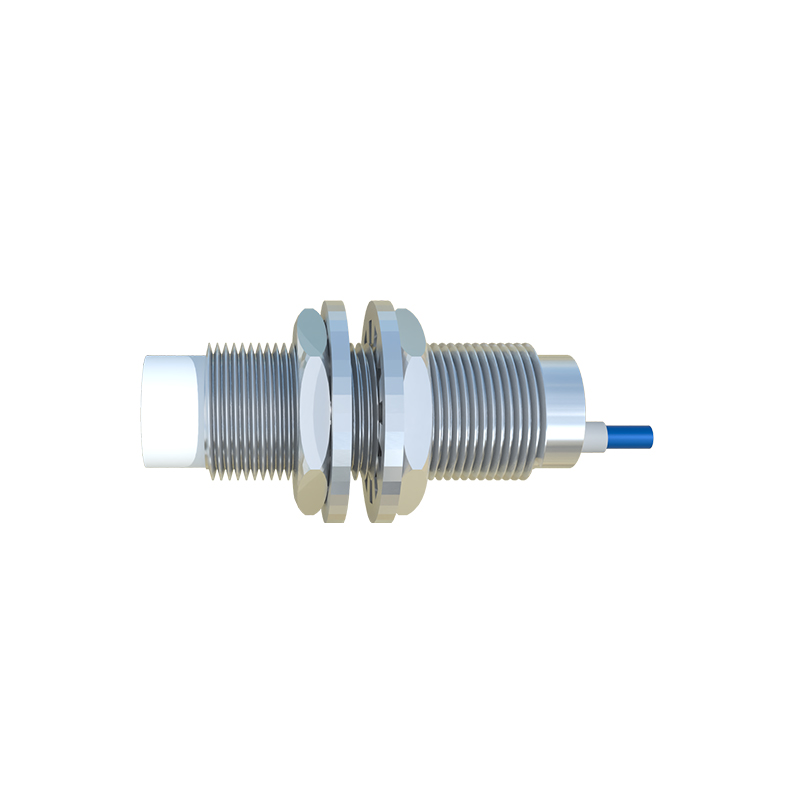
Proper installation is paramount for optimal performance. The shielded (flush-mountable) design of the X30MX1 allows it to be embedded in metal without affecting its sensing field, providing protection against mechanical damage. However, installers must maintain the recommended lateral and frontal clearance distances from surrounding metal to prevent false triggering. The sensor is secured using its integrated M30 x 1.5 metric thread, and a lock nut is usually supplied for firm mounting. Cable or connector versions are available; a pre-wired cable offers a direct connection, while a quick-disconnect connector version facilitates easy replacement and maintenance. Ensuring a tight seal, often rated at IP67 or IP69K, is crucial for operation in washdown or dusty environments.
Application Scenarios in Industry
The versatility of the X30MX1 makes it a workhorse across numerous sectors. In automated assembly lines, it is used for part presence verification, ensuring a component is in place before a robotic weld or assembly step. On conveyor systems, it acts as a limit switch for positioning pallets or detecting jams. Within hydraulic or pneumatic systems, it can confirm the end position of a cylinder piston rod (with a built-in metal trigger). In metal machining centers, these sensors monitor tool presence or count finished parts. Their resilience to vibration, shock, and electromagnetic interference (EMI) makes them indispensable for maintaining continuous production flow with minimal downtime.
Maintenance, Troubleshooting, and Best Practices
While known for reliability, proactive maintenance ensures longevity. Regularly cleaning the sensing face of accumulated debris, metal chips, or grease is essential. The LED indicator is the first diagnostic tool; if it fails to illuminate, check power supply and wiring. If the LED is on but the output does not switch, verify the target material, size, and approach speed are within specifications. Using a multimeter to check output voltage under load can isolate issues between the sensor and the controller. A best practice is to keep a small stock of spare sensors for critical processes to facilitate immediate replacement. Always refer to the manufacturer's datasheet for specific technical drawings, temperature ranges, and detailed performance curves.