Introduction to Proximity Sensors
Proximity sensors are vital components in modern industrial automation, designed to detect the presence or absence of an object without physical contact. These non-contact sensors operate by emitting an electromagnetic field or a beam of electromagnetic radiation and looking for changes in the field or return signal. The primary advantage is their reliability and longevity, as the absence of mechanical contact eliminates wear and tear. They are indispensable in various applications, from assembly lines and packaging machinery to safety systems and automotive manufacturing. Their ability to function in harsh environments—resisting dust, oil, and vibration—makes them a preferred choice for engineers seeking robust and maintenance-free solutions.
Inductive Proximity Sensors
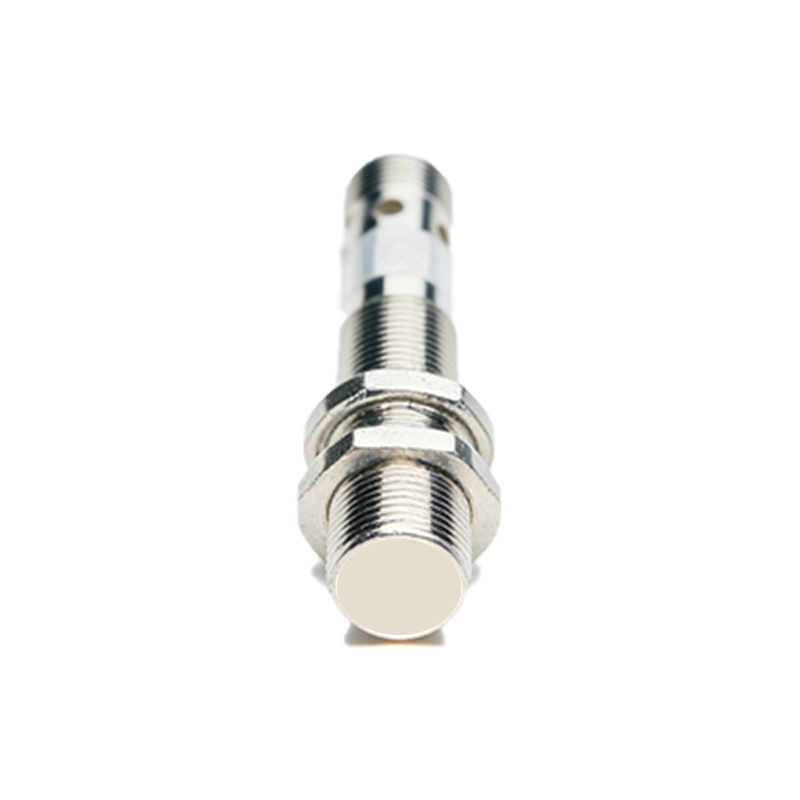
Inductive proximity sensors are specifically designed to detect metallic objects. Their operating principle is based on electromagnetic induction. The sensor generates an oscillating electromagnetic field from its coil and ferrite core. When a metallic object enters this field, eddy currents are induced on the metal's surface, causing a change in the oscillation amplitude. This change is detected by the sensor's circuitry, triggering a solid-state output switch. These sensors are ideal for detecting ferrous metals like steel and iron, and some specialized versions can detect non-ferrous metals like aluminum, copper, and brass. Common applications include position sensing of machine parts, counting metallic objects on conveyors, and detecting the presence of tools in CNC machines. Their key advantages include high switching frequency, resistance to environmental contaminants, and exceptional durability.
Capacitive Proximity Sensors
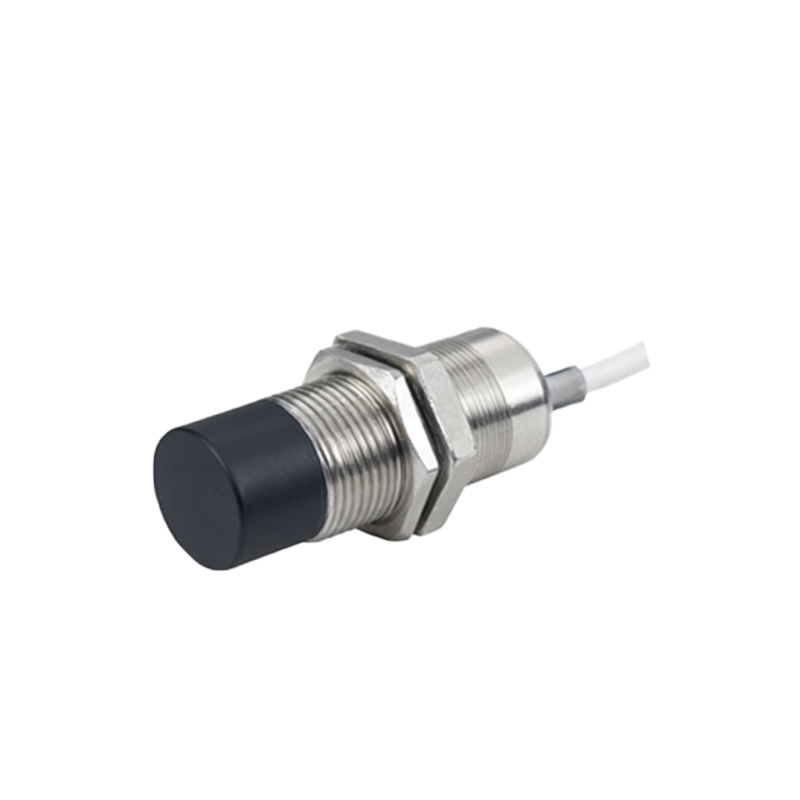
Unlike inductive sensors, capacitive proximity sensors can detect both metallic and non-metallic materials, including liquids, plastics, glass, wood, and granular substances. They function by generating an electrostatic field. The sensor's active face and the detected object act as two plates of a capacitor. When an object enters the sensing field, it alters the capacitance of the system. The sensor's internal oscillator starts oscillating upon reaching a predetermined threshold, triggering an output change. This versatility makes them perfect for applications such as level detection in tanks (for liquids or powders), material handling for non-metallic products, and presence detection of plastic or glass containers. They are also sensitive to human presence, which can be utilized in touch-sensitive controls. A notable consideration is their potential sensitivity to environmental factors like humidity and temperature, which may require careful calibration.
Ultrasonic Proximity Sensors
Ultrasonic sensors measure distance or detect objects using sound waves beyond the human hearing range. They operate on the time-of-flight principle: a transducer emits high-frequency ultrasonic pulses and then listens for the echo reflected from a target object. The time delay between emission and reception is calculated to determine the distance to the object. These sensors are excellent for detecting objects of virtually any material, shape, color, or surface texture, as long as they reflect sound adequately. They are widely used for precise distance measurement, level sensing in bulk solid or liquid storage, and detecting transparent objects (like glass bottles) that confuse optical sensors. While highly versatile and accurate, their performance can be affected by factors like air turbulence, temperature gradients, and extremely soft materials that absorb sound.
Photoelectric (Optical) Proximity Sensors
Photoelectric sensors, or optical proximity sensors, use light to detect objects. They consist of a light emitter (usually an LED) and a receiver. They are categorized into three main types based on their operating mode. Through-beam sensors have separate emitter and receiver units; an object is detected when it interrupts the light beam. Retro-reflective sensors use a single unit and a reflector; detection occurs when the beam to the reflector is blocked. Diffuse (proximity) sensors have the emitter and receiver in one housing and detect light reflected directly from the target object. These sensors offer long sensing ranges and can detect small objects with high precision. They are perfect for detecting non-metallic objects, color marking, and transparent material detection. However, their performance can be compromised by ambient light, dust, fog, or dirt on the lenses, necessitating regular maintenance in dirty environments.
Magnetic Proximity Sensors (Reed Switches)
Magnetic proximity sensors, commonly known as reed switches, are simple, cost-effective devices activated by the presence of a magnetic field, typically from a permanent magnet. The switch consists of two ferromagnetic reeds sealed within a glass tube. When a magnet approaches, the reeds are magnetized and attract each other, making contact and closing the circuit. They are known for their low power consumption, high reliability, and ability to operate in explosive or wet environments where sparking from electrical contacts is a concern. Common applications include door and window position sensing in security systems, detecting the position of cylinders in pneumatic systems