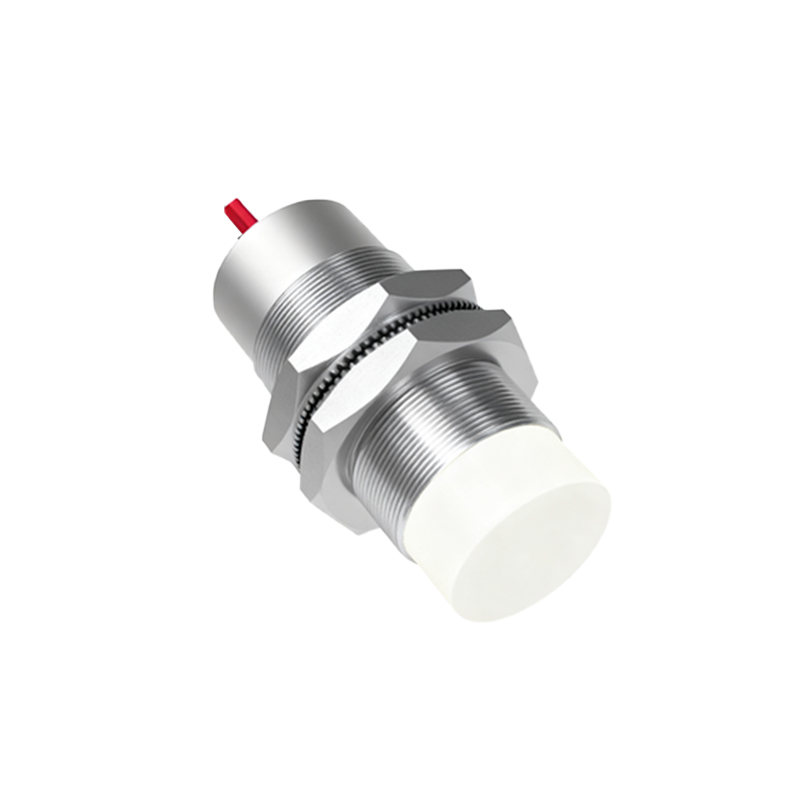
In the world of industrial automation and machinery control, the reliable detection of rotational position, speed, and direction is paramount. Rotary proximity switch sensors, often simply called rotary cam switches or rotary limit switches, serve as the critical interface between mechanical rotation and electrical control systems. Unlike their linear counterparts, these sensors are specifically engineered to monitor the angular movement of shafts, cams, or gears, providing discrete on/off signals at precise rotational points.
At their core, most rotary proximity switches operate on a straightforward yet robust mechanical principle. A rotating shaft, connected to the machine part being monitored, turns an internal cam mechanism. As the cam rotates, it actuates one or more embedded micro-switches or solid-state proximity sensors at predetermined angles. The switching element itself can vary; traditional designs use mechanical snap-action switches for direct contact, while modern versions employ non-contact methods like inductive, magnetic (Hall effect), or optical sensing for higher durability and speed. The key output is a clean electrical signal that indicates whether the rotating component has reached a specific angular position—for example, signaling the end of a conveyor cycle, the top-dead-center of a piston, or the indexing point of a turntable.
The applications for these sensors are vast and span numerous industries. In packaging machinery, they ensure film wrapping or filling operations initiate at the exact correct moment in the machine cycle. On assembly lines, they control the indexing of rotary tables, guaranteeing parts are positioned accurately for robotic arms. Within heavy-duty crane and hoist systems, rotary limit switches provide essential safety by preventing overwind and underwind, automatically cutting power when a winch drum reaches its rotational limits. They are also indispensable in process control for valves and dampers, confirming open or closed positions, and in printing presses for synchronizing cylinder revolutions.
Selecting the right rotary proximity switch requires careful consideration of several technical parameters. First is the number of switching points or channels needed; devices can offer from a single switch point to multiple, independently adjustable points on a single shaft. The switching angle or adjustment range defines how precisely these points can be set, with high-resolution models allowing fine adjustments down to a fraction of a degree. The type of output contact is crucial—mechanical contacts are cost-effective but subject to wear, while solid-state PNP/NPN outputs offer longer life and faster response for demanding environments. Environmental ratings, particularly the Ingress Protection (IP) code for dust and water resistance, are vital for installations exposed to washdowns, coolants, or outdoor conditions. The mechanical construction must also withstand the required shaft speed, torque, and vibration levels present in the application.
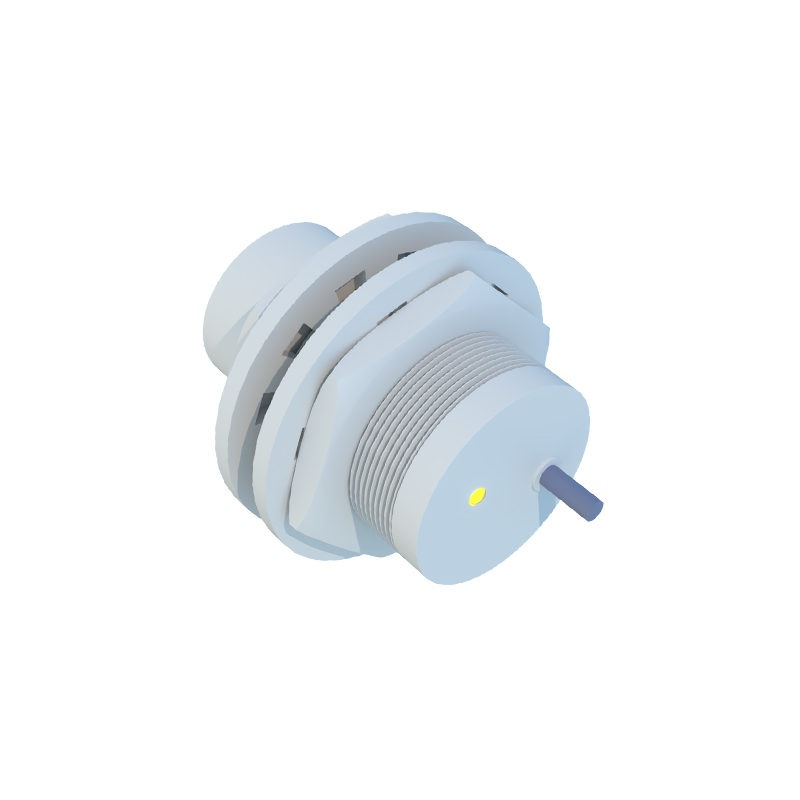
Installation and maintenance practices significantly impact sensor longevity and reliability. Proper shaft coupling alignment is essential to avoid bearing wear and false triggering. Many housings are designed for easy mounting on machine frames or bearing blocks. Regular maintenance typically involves checking for loose connections, verifying switching accuracy, and ensuring the housing seals remain intact. For contact-based switches, periodic inspection of the actuator mechanism and contacts for wear is recommended.
The evolution of rotary proximity switches continues alongside Industry 4.0 trends. Modern variants now integrate advanced diagnostics, IO-Link communication for parameterization and condition monitoring, and even absolute position encoding capabilities, blurring the lines between a simple limit switch and a sophisticated rotary encoder. However, their fundamental role remains unchanged: to provide a simple, rugged, and highly reliable means of converting rotary motion into actionable control signals. For engineers and maintenance technicians, understanding their operation and selection criteria is key to designing robust, safe, and efficient automated systems where rotational monitoring is required.