In the world of computer peripherals, the evolution of the mouse has been nothing short of revolutionary. Among the various technologies that have emerged, laser mouse sensors stand out as a pinnacle of precision and reliability. These sensors have transformed how users interact with their devices, offering unparalleled accuracy for both everyday tasks and specialized applications. Unlike traditional optical sensors that rely on LED light to track movement, laser sensors use a coherent laser beam to detect surface details with extreme sensitivity. This fundamental difference allows laser mice to operate on a wider variety of surfaces, including glossy, reflective, or uneven textures where optical mice might struggle.
The core mechanism of a laser mouse sensor involves emitting an invisible laser beam onto the surface below. This beam reflects off microscopic imperfections and textures, and the sensor captures these reflections at high speed. An onboard digital signal processor (DSP) then analyzes the changes in reflection patterns to determine the direction and distance of movement. This process occurs thousands of times per second, resulting in smooth, responsive cursor control. The high resolution, measured in dots per inch (DPI), is a key advantage. Laser sensors often offer DPI ratings ranging from 2000 to over 16000, allowing users to adjust sensitivity for tasks requiring fine detail, such as graphic design, video editing, or competitive gaming.
One of the most significant benefits of laser sensor technology is its surface independence. Early optical mice required specific mouse pads to function consistently, but laser mice can track accurately on wood, glass, fabric, and even rough surfaces like brick or carpet. This versatility makes them ideal for portable use with laptops, as users aren't confined to a flat, matte surface. Additionally, laser sensors typically provide higher maximum speeds and acceleration thresholds, meaning quick, sweeping movements are tracked without loss of precision. This is crucial for fast-paced gaming or when working with large, multi-monitor setups.
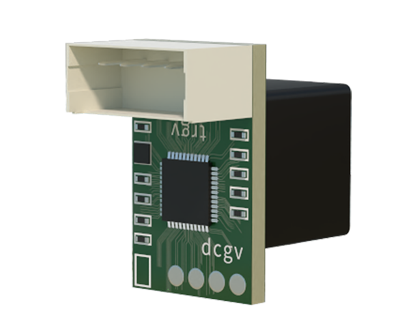
However, laser sensors are not without their considerations. Some users report that the extreme sensitivity can lead to minor cursor drift or jitter on certain surfaces, especially if the sensor picks up microscopic dust or patterns. Modern firmware and sensor designs have largely mitigated this through advanced filtering algorithms. Another point is power consumption; laser sensors can be more demanding on battery life in wireless models compared to some newer optical variants. Despite this, for many professionals and enthusiasts, the trade-off is worthwhile for the consistent performance.
When choosing a mouse, understanding sensor specifications is essential. Look for terms like "laser engine," "DPI adjustable," and "tracking speed" measured in inches per second (IPS). Many high-end models also feature angle snapping correction and customizable lift-off distance settings, which prevent cursor movement when the mouse is slightly raised. Brands like Logitech, Razer, and SteelSeries have developed proprietary laser sensor technologies that cater to different user needs, from ergonomic office mice to lightweight gaming peripherals.
The future of laser sensor technology continues to evolve. Innovations in miniaturization and energy efficiency are making laser mice more accessible and sustainable. Furthermore, integration with other technologies, such as programmable buttons, RGB lighting, and wireless connectivity, enhances the overall user experience. As computing demands grow more complex, the precision offered by laser sensors remains a critical component in bridging human intention with digital action. Whether for creative work, office productivity, or immersive gaming, the laser mouse sensor stands as a testament to how advanced engineering can refine even the most fundamental tools of human-computer interaction.
