Introduction to Proximity Limit Switches
Proximity limit switches are fundamental components in industrial automation, serving as critical control and safety devices. Unlike traditional mechanical limit switches that require physical contact to operate, proximity switches detect the presence or absence of an object without any direct touch. This non-contact operation is achieved through integrated sensors, which significantly reduces mechanical wear and tear, enhances reliability, and allows for higher operational speeds. These switches are indispensable in applications ranging from conveyor systems and robotic arms to machine tools and automated assembly lines, where precise positioning and repeatability are paramount. The integration of sensor technology transforms a simple switch into an intelligent node within a broader control network.
Core Sensor Technologies in Proximity Switches
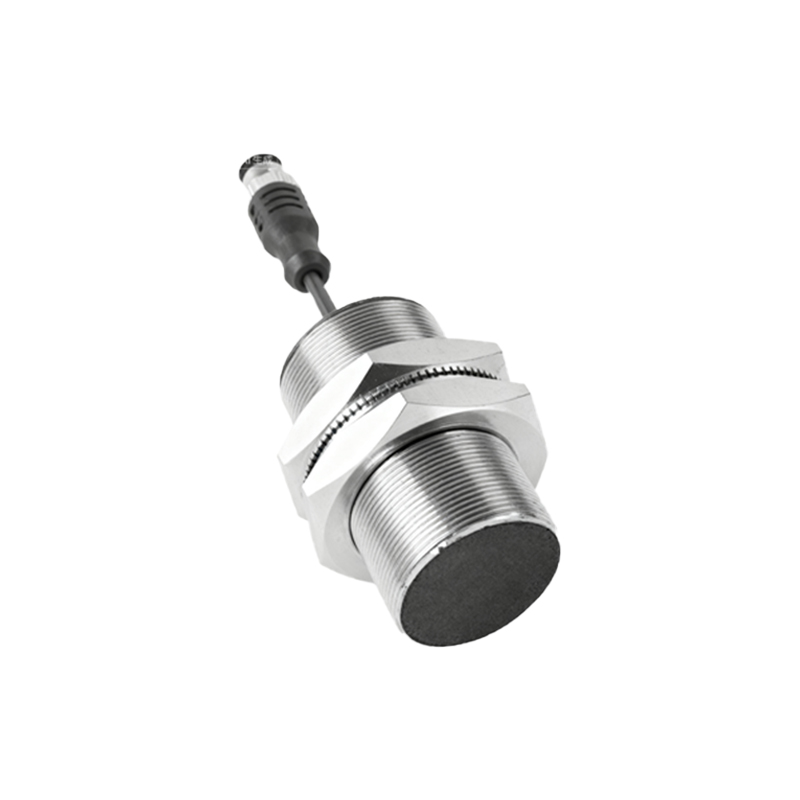
The functionality of a proximity limit switch is defined by its embedded sensor technology. The three primary types are inductive, capacitive, and photoelectric sensors. Inductive sensors are the most common in industrial settings for detecting metallic objects. They generate an electromagnetic field, and when a metal target enters this field, it induces eddy currents that alter the oscillation amplitude, triggering the switch. Capacitive sensors can detect both metallic and non-metallic materials (like plastics, wood, or liquids) by measuring changes in capacitance caused by the target object entering an electrostatic field. Photoelectric sensors, utilizing infrared or laser light, detect objects by interpreting the presence, absence, or reflection of a light beam. Each technology offers distinct advantages in terms of sensing range, material compatibility, and environmental resilience.
Key Operational Characteristics and Specifications
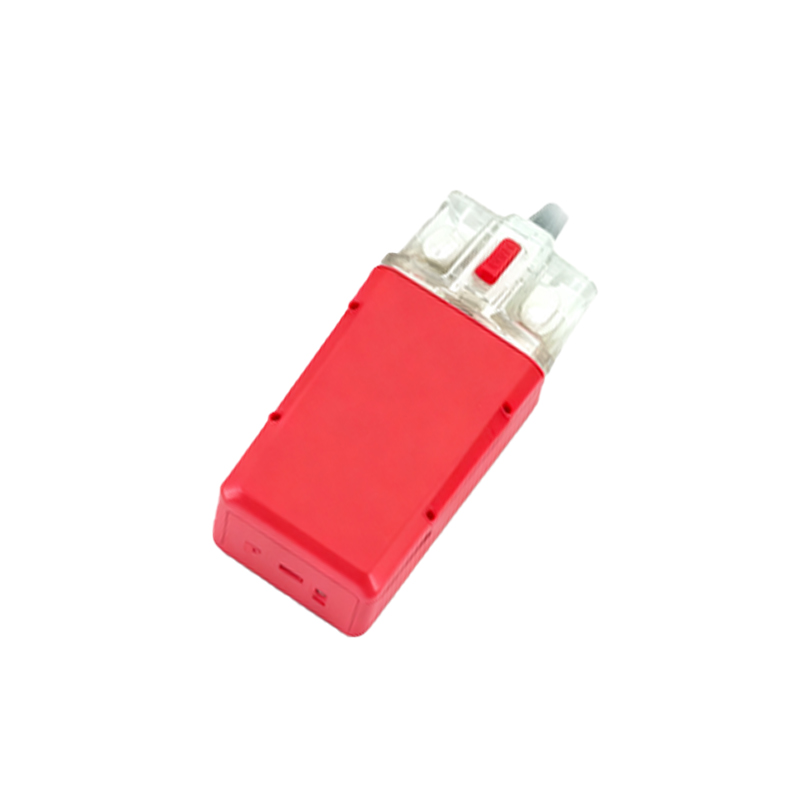
Selecting the appropriate proximity limit switch requires a thorough understanding of its specifications. The sensing distance, or operating range, is a critical parameter, defining how far the target can be from the sensor face to reliably trigger a signal. Repeat accuracy indicates the consistency of the switch point under identical conditions. Switching frequency denotes how many on/off cycles the device can handle per second, a vital factor for high-speed applications. Environmental ratings, such as IP (Ingress Protection) codes for dust and water resistance, and NEMA ratings, ensure the switch can withstand harsh industrial environments involving coolant, oil, or metal chips. Additionally, output types—whether NPN, PNP, analog, or IO-Link—determine compatibility with programmable logic controllers (PLCs) and other control systems.
Integration into Control Systems and Networking
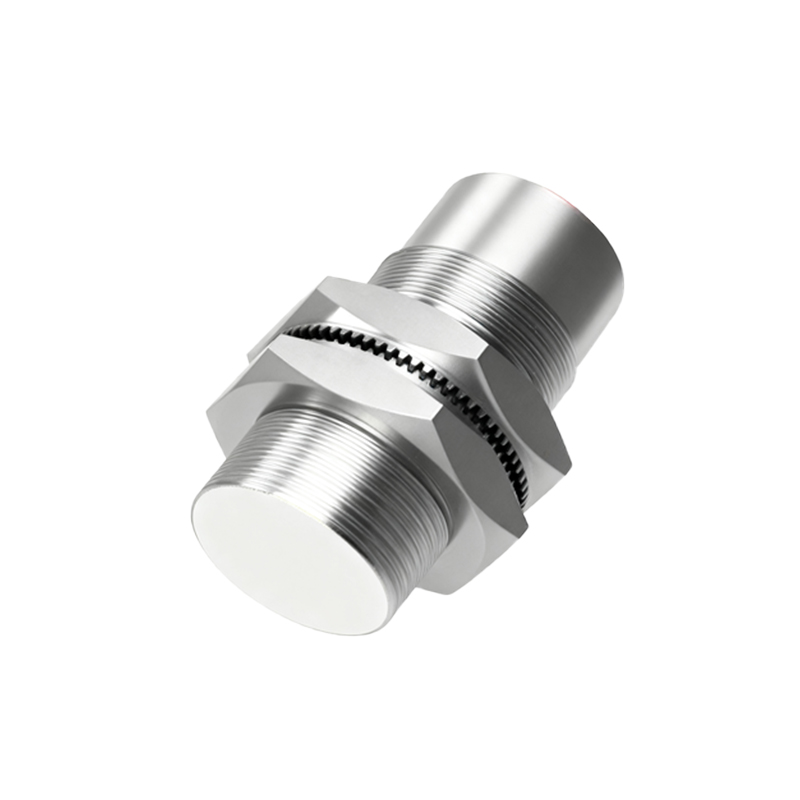
Modern proximity limit switches are not isolated components but integral parts of sophisticated control architectures. The output signal from the switch is fed into a PLC, which processes the input to control actuators like motors, cylinders, or valves. The advent of Industry 4.0 and the Industrial Internet of Things (IIoT) has further elevated their role. Smart sensors with IO-Link communication capability can transmit not just a simple on/off signal but also detailed diagnostic data, such as operating temperature, signal strength, and device health. This enables predictive maintenance, where potential failures can be anticipated and addressed before causing downtime, thereby maximizing overall equipment effectiveness (OEE) and reducing total cost of ownership.
Application-Specific Advantages and Use Cases
The application versatility of sensor-based proximity switches is vast. In material handling, they provide precise positioning for palletizers and sortation systems. In machine tools, they act as end-of-travel limit switches for axes movement, preventing mechanical overtravel and damage. In robotic welding cells, they ensure the robot arm is in the correct home position before initiating a cycle. Their non-contact nature makes them ideal for clean environments like food and beverage or pharmaceutical production, where contamination from mechanical contact must be avoided. Furthermore, in safety-critical applications, they can be part of safety interlock systems on machine guards, ensuring the machine only operates when access doors are securely closed.
Installation, Calibration, and Maintenance Best Practices
Proper installation is crucial for optimal performance. Factors such as mounting orientation, material of the mounting bracket (to avoid interference with inductive sensors), and maintaining the correct gap from the target are essential. For some capacitive or photoelectric sensors, calibration may be necessary to account for specific target materials or background conditions. While these devices are largely maintenance-free due to their non-contact design, regular functional checks are recommended. This involves verifying the output signal and inspecting the sensor face for accumulated debris, dirt, or damage that could impair sensing capability. Adhering to manufacturer guidelines for installation and maintenance ensures long-term reliability and system integrity.
Future Trends and Technological Advancements
The evolution of proximity limit switches continues to align with broader industrial automation trends. Miniaturization allows for their use in increasingly compact machinery. Enhanced sensing ranges and improved immunity to electromagnetic interference (EMI) are ongoing development goals. The integration of more advanced diagnostics and self-mon