Introduction to Copper Nut Proximity Sensors
Copper nut proximity sensors are specialized devices widely used in industrial automation and electrical engineering. These sensors detect the presence or absence of metallic objects, particularly copper nuts, without physical contact. They operate based on electromagnetic principles, generating an oscillating electromagnetic field. When a copper nut enters this field, it induces eddy currents, causing a change in the sensor's oscillation amplitude. This alteration triggers an output signal, enabling precise detection. The use of copper in nuts enhances sensitivity due to its excellent electrical conductivity, making these sensors ideal for applications requiring high accuracy and reliability in harsh environments.
Working Principles and Technical Specifications
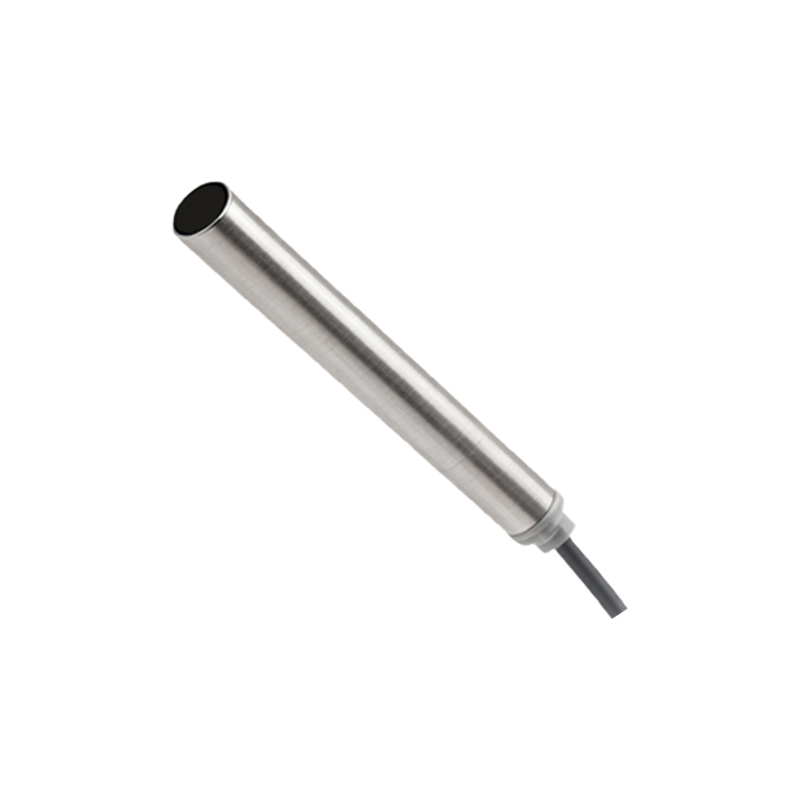
The core mechanism of copper nut proximity sensors involves an LC oscillator circuit, where an inductor coil produces the electromagnetic field. Copper, as a non-ferrous metal, interacts differently compared to ferrous materials like iron; it relies on eddy current loss rather than magnetic permeability changes. This results in shorter sensing ranges but higher precision for small objects like nuts. Typical technical specifications include a sensing distance of 1 to 10 mm, depending on nut size and sensor design, with operating frequencies ranging from 100 Hz to 1 kHz. These sensors often feature robust housings, such as stainless steel or PBT plastic, to withstand dust, moisture, and temperature variations from -25°C to 70°C. Their output signals can be analog (e.g., 4-20 mA) or digital (e.g., PNP/NPN), allowing seamless integration into PLCs and control systems.
Key Applications in Electrical and Automation Industries
In electrical systems, copper nut proximity sensors play a critical role in ensuring operational efficiency and safety. They are commonly deployed in assembly lines for nut positioning and tightening verification, preventing defects in products like motors and transformers. Within automation, these sensors facilitate robotic arm guidance, enabling precise pick-and-place operations for copper components in CNC machinery. Additionally, they monitor inventory in storage systems, detecting nut levels in bins to trigger replenishment alerts. Their non-contact nature minimizes wear and tear, reducing maintenance costs in high-speed manufacturing environments. Industries such as automotive, aerospace, and consumer electronics rely on these sensors for quality control, where even minor misalignments can lead to significant failures.
Advantages Over Other Sensor Types
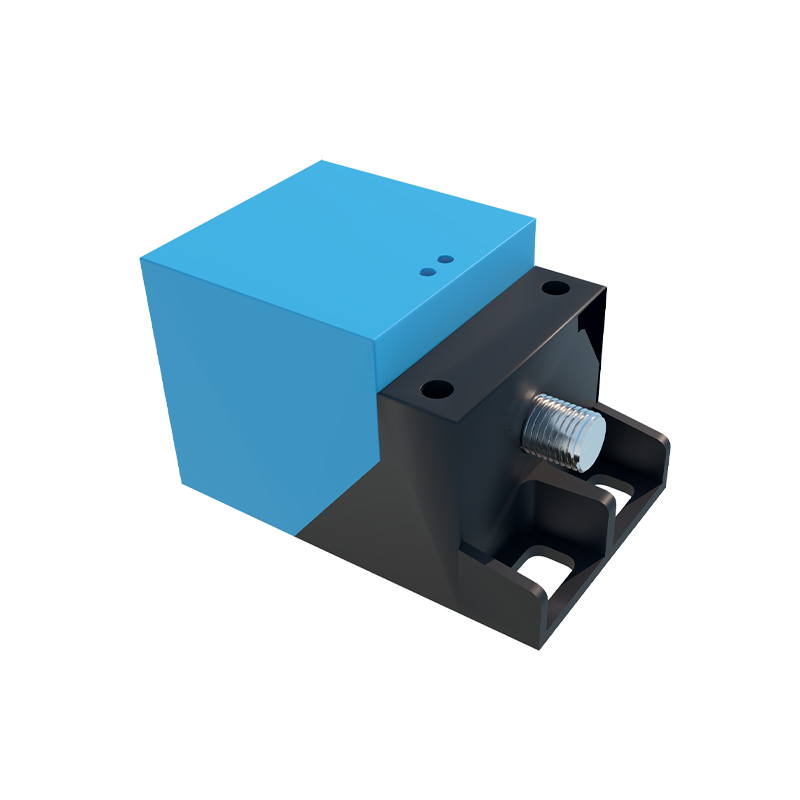
Compared to optical or capacitive sensors, copper nut proximity sensors offer distinct benefits. Their immunity to environmental factors like dirt, oil, and ambient light makes them suitable for dirty or humid settings, such as foundries or outdoor installations. Since they detect only metallic objects, they avoid false triggers from non-metallic debris. The use of copper nuts enhances response speed, with typical switching times under 1 ms, crucial for real-time applications. Moreover, these sensors consume low power, often below 2 W, aligning with energy-efficient industrial practices. Their durability ensures long service life, with MTBF (Mean Time Between Failures) exceeding 100,000 hours, reducing downtime and operational disruptions.
Installation and Maintenance Best Practices
Proper installation is vital for optimal performance of copper nut proximity sensors. They should be mounted securely, with the sensing face parallel to the target nut's surface to maximize detection range. Adequate spacing from other metal objects prevents interference, and shielding may be required in high-noise electrical environments. Regular maintenance involves cleaning the sensor surface to remove contaminants like grease, using non-abrasive solvents. Calibration checks should be performed periodically, especially after system upgrades, to ensure consistent output signals. Troubleshooting common issues, such as erratic signals, often involves verifying power supply stability and checking for cable damage. Implementing preventive measures, like surge protection devices, can safeguard against voltage spikes in industrial grids.
Future Trends and Innovations
The evolution of copper nut proximity sensors is driven by Industry 4.0 and IoT integration. Future models are expected to incorporate smart features, such as self-diagnostics and wireless connectivity, enabling remote monitoring via cloud platforms. Advances in materials science may lead to miniaturized designs with extended sensing ranges, using nano-coatings to enhance corrosion resistance. AI algorithms could be embedded to predict maintenance needs based on usage patterns, further boosting reliability. As industries shift towards sustainable practices, sensors with recyclable components and lower carbon footprints will gain prominence. Research into hybrid sensors combining proximity and temperature sensing capabilities is also underway, expanding their utility in complex electrical systems.
Conclusion
Copper nut proximity sensors are indispensable in modern electrical engineering, offering precision, durability, and versatility. Their ability to detect metallic objects without contact streamlines automation processes while reducing operational costs. By understanding their principles, applications, and maintenance, engineers can