Introduction to Magnetic Proximity Sensors
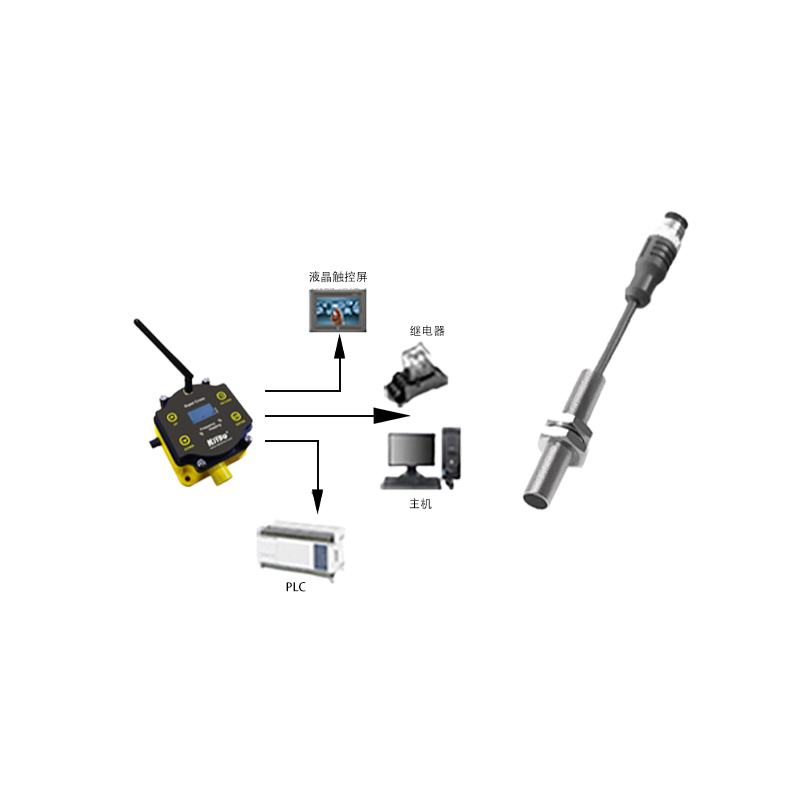
Magnetic proximity sensors are fundamental components in modern industrial automation and control systems. These non-contact sensing devices detect the presence or absence of a magnetic field, typically generated by a permanent magnet or an electromagnet. Unlike traditional mechanical limit switches, they operate without physical contact, leading to significantly higher reliability, longer operational life, and reduced maintenance needs. The core principle relies on the interaction between a sensor's internal sensing element and an external magnetic field. When a predefined magnetic field strength threshold is reached, the sensor's output state changes, sending a signal to a programmable logic controller (PLC) or other control unit. This simple yet robust mechanism makes them indispensable for position detection, speed monitoring, and end-of-travel sensing in harsh environments where dirt, dust, moisture, or vibrations are prevalent.
Core Operating Principles and Technologies
The functionality of magnetic proximity sensors hinges on several key technologies. The most common type utilizes a reed switch—a hermetically sealed glass capsule containing two ferromagnetic reeds. When an external magnetic field is applied, the reeds magnetize, attract each other, and make contact, closing the electrical circuit. Another prevalent technology is based on Hall-effect integrated circuits. A Hall-effect sensor generates a voltage difference (the Hall voltage) across an electrical conductor when a magnetic field is applied perpendicular to the current flow. This voltage is processed by onboard electronics to provide a clean, digital switching signal. Hall-effect sensors offer advantages like higher switching frequencies, precise switching points, and the ability to detect both the polarity and strength of a magnetic field. For more demanding applications involving analog feedback, magnetoresistive (MR) sensors are employed, where the electrical resistance of the sensing element changes in response to a magnetic field.
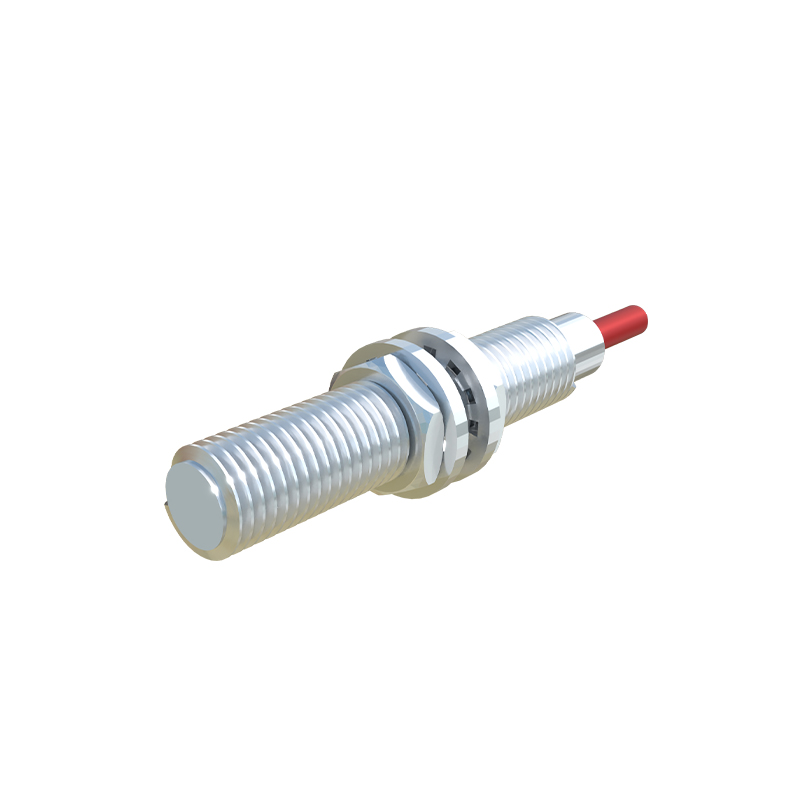
Key Product Features and Specifications
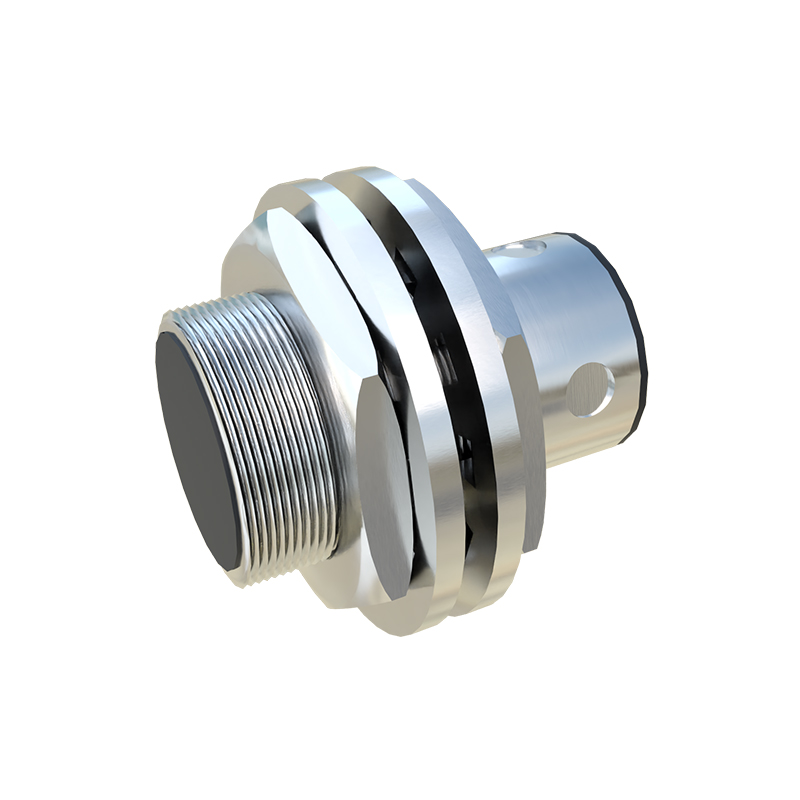
When selecting a magnetic proximity sensor, engineers must evaluate several critical specifications. Sensing distance, or the maximum range at which the sensor can reliably detect the target magnet, is paramount and varies by model and magnet strength. The housing material, typically stainless steel, brass, or ruggedized plastics like PBT, determines the sensor's resistance to chemicals, impacts, and temperature extremes. Protection ratings, denoted by IP (Ingress Protection) codes such as IP67 or IP69K, indicate the level of sealing against dust and water ingress, crucial for washdown or outdoor applications. Electrical output types include DC 2-wire, DC 3-wire (NPN or PNP transistor outputs), and analog outputs (4-20 mA, 0-10V). Voltage ranges, switching frequency, and connection methods (cable or connector) are also vital selection criteria. Many modern sensors feature LED status indicators for easy diagnostics and short-circuit protection for enhanced system safety.
Primary Industrial Applications and Use Cases
The versatility of magnetic proximity sensors leads to their widespread adoption across numerous sectors. In hydraulic and pneumatic cylinder manufacturing, they are the standard for detecting piston position, replacing unreliable mechanical levers. In the automotive industry, they monitor the position of robotic arms, check for the presence of fixtures on assembly lines, and sense gear or camshaft speed. Material handling systems use them to detect the open/closed status of doors, gates, and hatches on conveyors and automated guided vehicles (AGVs). They are integral to agricultural and construction machinery for monitoring implement positions and providing safety interlocks. Furthermore, their intrinsic safety in explosive atmospheres (when properly certified) makes them suitable for oil & gas and chemical processing plants. Their ability to function through non-ferrous materials like aluminum or plastic also allows for concealed mounting.
Advantages Over Other Sensing Technologies
Magnetic proximity sensors offer distinct benefits when compared to other non-contact sensors like inductive or capacitive types. Their most significant advantage is the ability to detect a magnetic field through non-magnetic barriers, enabling installation inside sealed housings for complete protection. They are immune to common environmental contaminants such as dirt, chips, coolants, and oils that could foul the sensing face of an inductive sensor. They also exhibit no wear and tear, as there is no physical contact, leading to virtually infinite mechanical life. While inductive sensors require a ferrous metal target, magnetic sensors work with a simple, inexpensive permanent magnet, allowing for greater design flexibility in choosing target materials. They generally provide longer sensing ranges for a given sensor size compared to inductive counterparts when used with a suitable magnet.
Installation and Configuration Best Practices
Correct installation is critical for optimal sensor performance and longevity. The orientation between the sensor and the target magnet is crucial; most sensors are designed for a head-on (axial) or sideways (lateral) approach. The manufacturer's datasheet will specify the correct approach direction and the required magnetic