Introduction to Proximity Sensing Technology
Proximity sensors are non-contact electronic devices designed to detect the presence or absence of nearby objects without physical interaction. They operate on various principles, including inductive, capacitive, ultrasonic, and optical methods. In industrial and automotive applications, these sensors provide critical data for control systems, enabling precise and reliable automation. Their ability to function in harsh environments, resist contamination, and deliver high-speed responses makes them indispensable in modern engineering. The core function revolves around generating an electrical signal when a target object enters a predefined detection range, which is then processed by a controller to trigger specific actions. This technology forms the backbone of many automated processes, from manufacturing assembly lines to advanced vehicle systems.
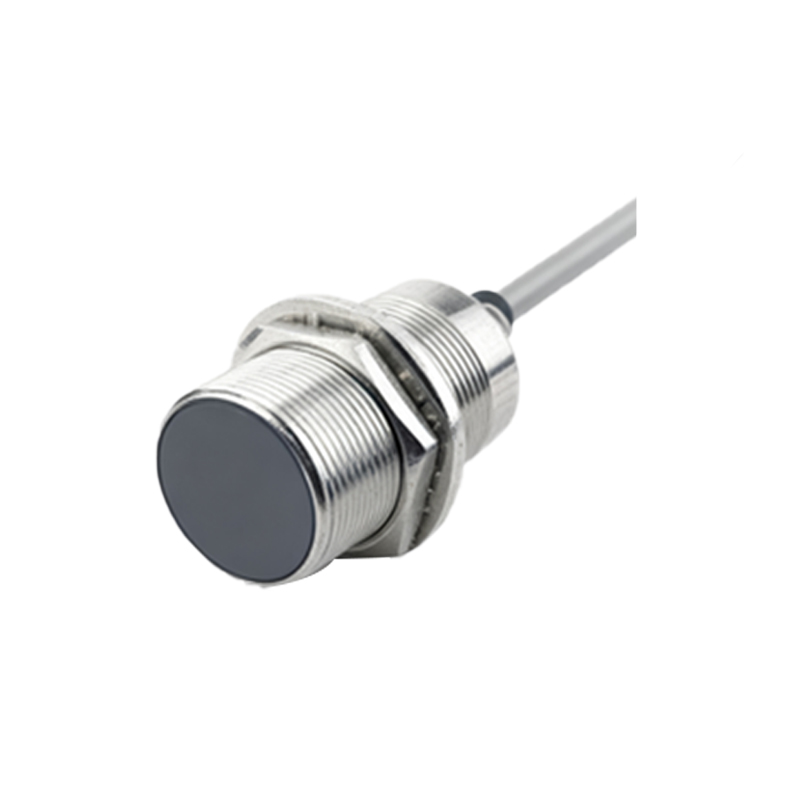
The Role of Sensors in Automotive Transmission Systems
Modern automotive transmissions, whether manual, automatic, or continuously variable (CVT), rely heavily on sensor inputs for optimal performance. Sensors monitor parameters such as rotational speed, position, temperature, and pressure to ensure smooth gear shifts and efficient power delivery. In this context, proximity sensors are often employed to detect the position of gear selectors, shift levers, or synchronizer components. For instance, in automated manual transmissions (AMTs) or dual-clutch systems, proximity sensors can ascertain the exact location of the gear shift mechanism, providing feedback to the transmission control unit (TCU). This data is crucial for coordinating clutch engagement, engine torque management, and gear selection, thereby enhancing driving comfort and fuel economy.
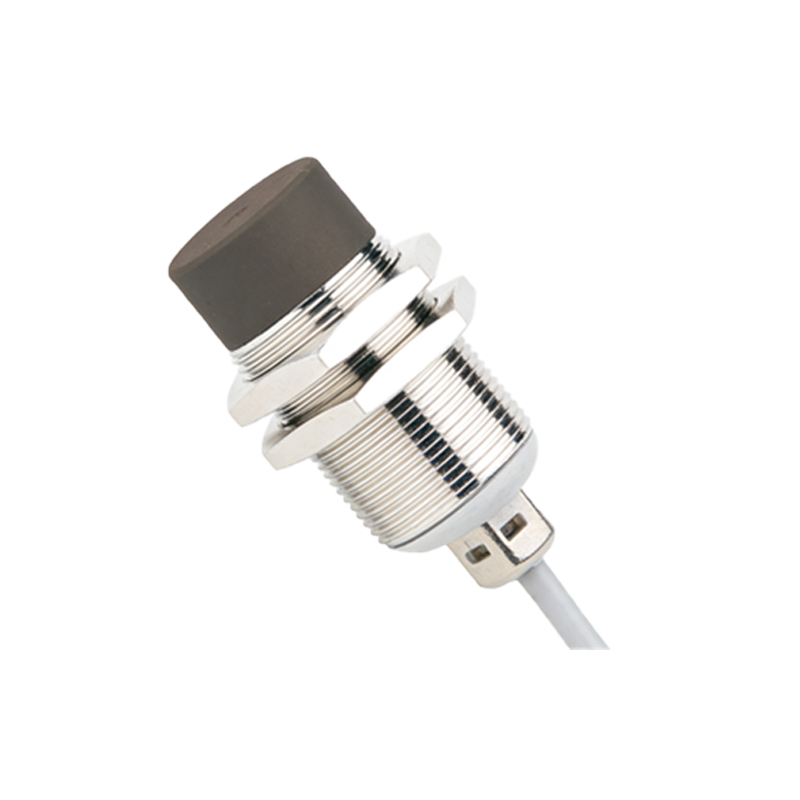
Direct Applications in Gear Shifting Mechanisms
Proximity sensors directly influence gear shifting by enabling precise detection of gear positions. In systems with shift-by-wire technology, where physical linkages are replaced by electronic actuators, proximity sensors verify that the gear selector has moved to the intended position—such as Park, Reverse, Neutral, or Drive. This verification prevents erroneous shifts and potential safety hazards. Additionally, in heavy machinery or industrial vehicles with power-shift transmissions, these sensors monitor the alignment of gears or the position of shift forks, ensuring that changes occur seamlessly under load. By providing real-time positional feedback, proximity sensors contribute to reduced wear, minimized shift shock, and improved transmission longevity.
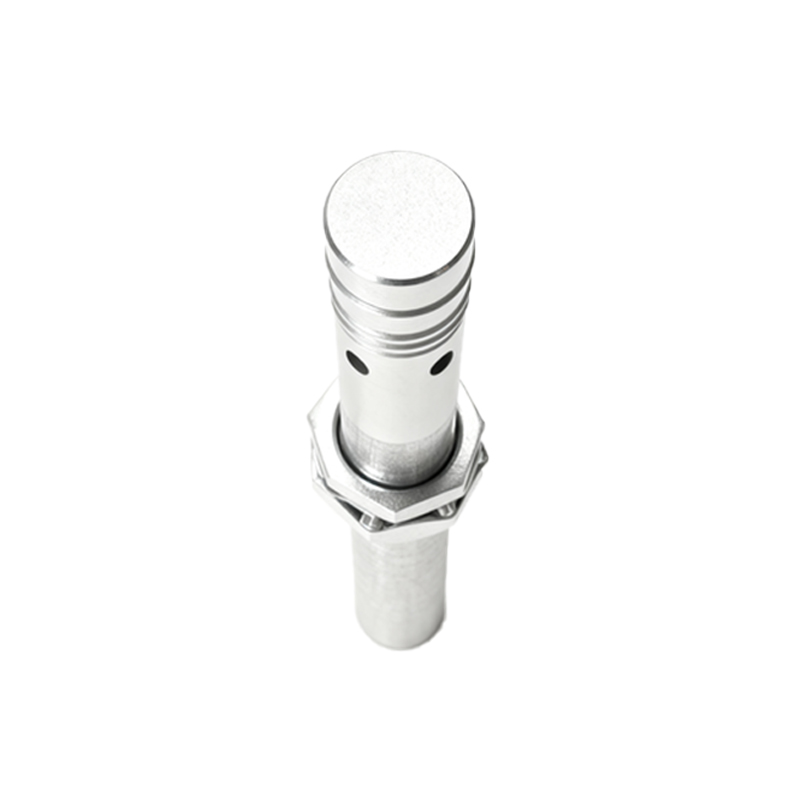
Integration with Control Units and System Logic
The effectiveness of proximity sensors in gear shifting hinges on their integration with electronic control units (ECUs) or TCUs. When a sensor detects a gear change request, it sends a signal to the controller, which processes it alongside data from other sensors—like engine speed and vehicle velocity. The controller then executes a series of commands, such as adjusting hydraulic pressure or activating solenoids, to facilitate the shift. This closed-loop system ensures accuracy and adaptability; for example, if a sensor indicates an incomplete shift, the controller can abort the operation or attempt a corrective action. Thus, proximity sensors are not standalone components but integral parts of a sophisticated network that governs transmission behavior.
Advantages Over Traditional Mechanical Systems
Using proximity sensors in gear shifting offers significant advantages over purely mechanical linkages. They eliminate the need for physical contact, reducing friction and mechanical wear. This leads to lower maintenance costs and enhanced reliability, especially in high-cycle applications. Moreover, sensors enable faster response times and greater precision, allowing for smoother and more efficient shifts. In electric and hybrid vehicles, where silent operation and energy efficiency are paramount, proximity sensors support seamless integration with regenerative braking and motor control systems. Their compact size and flexibility also facilitate innovative transmission designs, contributing to overall vehicle lightweighting and space optimization.
Challenges and Considerations in Implementation
Despite their benefits, implementing proximity sensors in gear shifting systems presents challenges. Environmental factors like extreme temperatures, vibration, and electromagnetic interference can affect sensor accuracy and durability. Engineers must select sensor types with appropriate ratings—for instance, inductive sensors for metallic targets in oily conditions—and ensure robust shielding and calibration. Additionally, system redundancy may be necessary for safety-critical applications to prevent failures that could lead to unintended gear disengagement. Cost considerations also play a role, as high-precision sensors and associated electronics can increase overall system expense, though this is often offset by long-term performance gains.
Future Trends and Innovations
The relationship between proximity sensors and gear shifting is evolving with advancements in automotive technology. As vehicles move toward greater electrification and autonomy, sensors will become even more vital. Future transmissions may incorporate smart proximity sensors with embedded diagnostics, capable of self-monitoring and predictive maintenance. Integration with artificial intelligence could enable adaptive shifting strategies based on real-time road conditions and driver behavior. Furthermore, the rise of multi-speed transmissions in electric vehicles may leverage compact, high-resolution sensors for ultra-precise gear control, enhancing efficiency and range. These innovations underscore the growing