Selecting the right proximity sensor for an application can be a daunting task given the vast array of technologies and specifications available. This guide provides a structured, step-by-step approach to streamline the selection process, ensuring optimal performance, reliability, and cost-effectiveness. The first and most critical step is to clearly define the application requirements. What is the target object material? Inductive sensors detect metals, with different response characteristics for steel, aluminum, or copper. Capacitive sensors can detect both metallic and non-metallic materials like plastics, wood, liquids, or granules. Photoelectric sensors use light beams and are suitable for a wide variety of materials, but their performance can be affected by color, transparency, and surface finish. Ultrasonic sensors, which use sound waves, are excellent for detecting objects regardless of material, color, or transparency, and are often used for level sensing or presence detection in challenging environments.
Next, determine the required sensing distance. This is not the maximum rated distance of the sensor, but the actual operating distance needed in your specific setup. Always consider a safety factor; for instance, if you need to detect an object at 5mm, choose a sensor with a nominal sensing distance of at least 8-10mm to account for installation tolerances, temperature variations, and potential wear. The sensing range is heavily influenced by the target object's size and shape. A standard sensor's specifications are typically based on a defined standard target (e.g., a square of mild steel for inductive sensors). If your target is smaller, thinner, or a different material, the effective sensing distance will be reduced. Consult the sensor's correction factors or reduction curves provided in the datasheet.
The physical installation environment is a major deciding factor. Consider the available space for mounting the sensor. Cylindrical barrel-style sensors are common, but rectangular or slot-style sensors might be necessary for tight spaces. The housing material is also vital. For harsh industrial environments with exposure to coolants, oils, or chemicals, sensors with stainless steel housings or high IP (Ingress Protection) ratings like IP67 or IP69K are essential. For food and beverage or pharmaceutical applications, sensors with FDA-compliant materials and smooth surfaces for easy cleaning are required. Temperature extremes, both high and low, will dictate the required operating temperature range of the sensor. Vibration and mechanical shock can also affect sensor longevity, so look for models with robust construction.
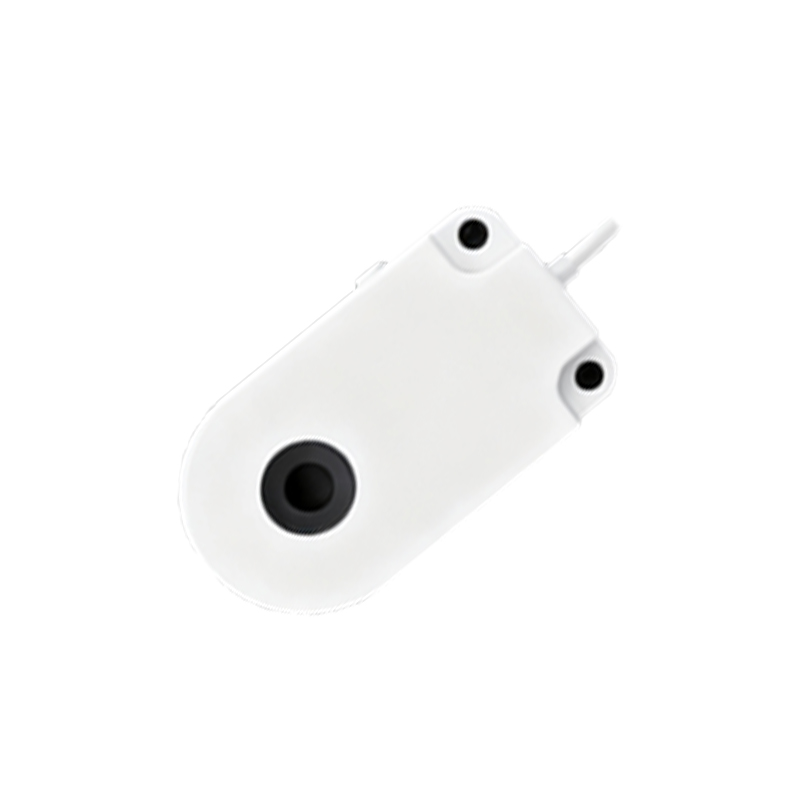
Electrical requirements and output configuration are the next considerations. What is your power supply voltage? Common DC voltages are 10-30V DC, while AC sensors might operate on 90-250V AC. Ensure compatibility. The output type must match your controller's input. The two primary types are Digital (Discrete) and Analog. Digital outputs (PNP or NPN sinking/sourcing) provide a simple ON/OFF signal when an object is detected. Choose between normally open (NO) or normally closed (NC) logic based on your control system's fail-safe requirements. Analog outputs (4-20mA or 0-10V) provide a continuous signal proportional to the distance to the target, used for precise positioning or measuring applications. Some sensors also offer IO-Link or other network communication for advanced diagnostics and parameter setting.
Finally, do not overlook special features and regulatory compliance. For applications involving rapid motion or high-speed counting, the sensor's response time and switching frequency are critical. Some sensors have built-in timers, logic functions, or teach-in capabilities for easy setup. If the sensor will be used in hazardous locations with explosive atmospheres, certifications like ATEX or IECEx are mandatory. For safety applications, such as guarding a hazardous machine area, only sensors specifically designed and certified for safety (e.g., with Safe Outputs) must be used.
In summary, a quick yet effective selection process involves: 1) Identifying the target material, 2) Defining the precise sensing distance and target size, 3) Assessing the environmental conditions and housing needs, 4) Matching electrical and output specifications to the control system, and 5) Accounting for any special performance or certification needs. By systematically addressing these points, you can quickly narrow down the options and select the most suitable proximity sensor, avoiding costly over-specification or under-performing installations. Always refer to the manufacturer's detailed technical datasheet for final confirmation before purchase.