Introduction to Protective Housings
In the demanding environments of industrial automation, metal proximity sensors are indispensable for non-contact detection. However, their reliable operation is heavily contingent upon effective protection. A protective housing, or enclosure, is not merely an accessory but a fundamental component that safeguards the sensor's sensitive electronics from physical damage, environmental contaminants, and electromagnetic interference. The selection and design of this housing directly influence sensor performance, maintenance cycles, and overall system uptime.
Primary Threats to Unprotected Sensors
Industrial settings present a multitude of hazards. Physical impact from machinery, tools, or falling debris can crack sensor casings or misalign sensing faces. Abrasive particulates like metal shavings, dust, and grit can erode surfaces and infiltrate seals. Coolants, oils, and corrosive chemicals can degrade materials and cause electrical failure. Furthermore, high-pressure washdowns in food and pharmaceutical applications demand exceptional ingress protection. Without a robust barrier, these factors lead to premature sensor failure, inaccurate readings, and costly production stoppages.
Key Design Features of Effective Housings
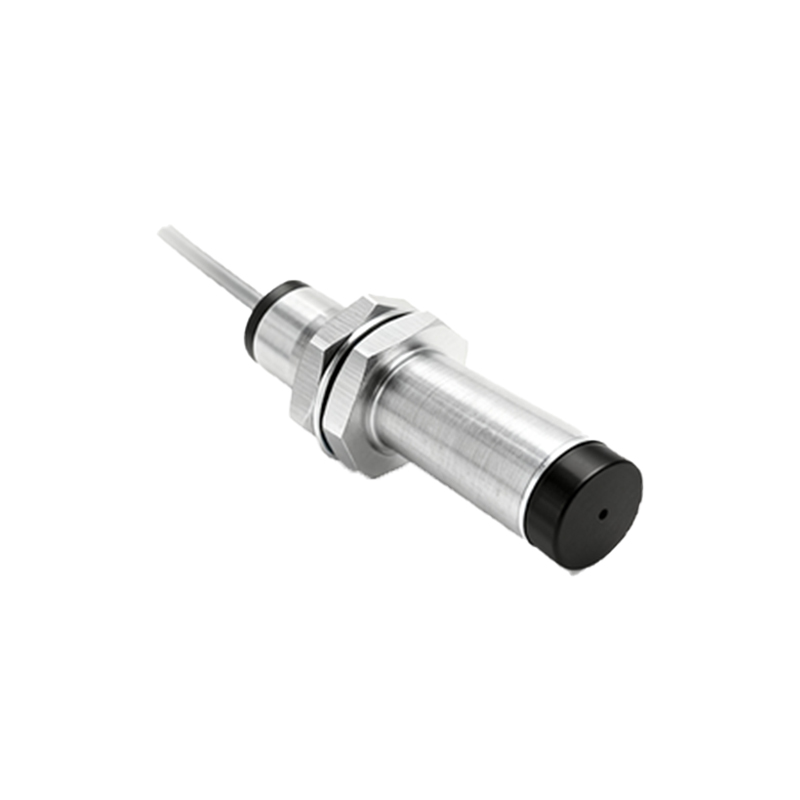
An optimal protective housing is engineered with specific features. The material choice is paramount; stainless steel (e.g., 304 or 316 grade) offers superior corrosion resistance and mechanical strength, while engineered plastics like PBT or PVDF resist chemicals. The design must ensure a precise fit, maintaining the sensor's specified sensing range without attenuation. Integral mounting threads or brackets facilitate secure installation. Critical to performance are ingress protection (IP) ratings, such as IP67 or IP69K, which certify resistance to dust and high-pressure water jets. Electrically conductive coatings or materials can also provide shielding against electromagnetic interference (EMI).
Material Selection and Application-Specific Solutions
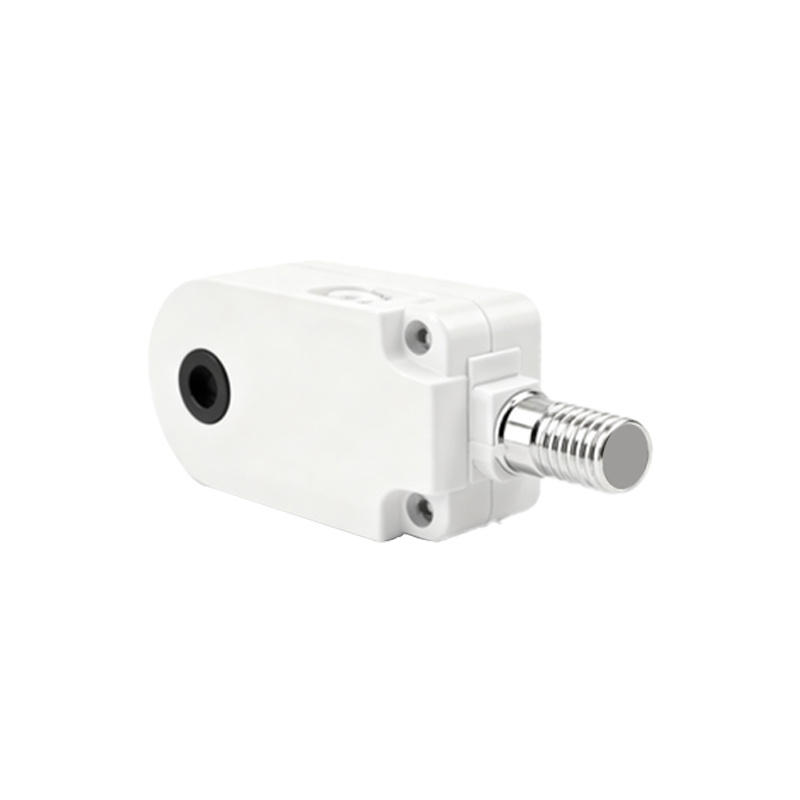
Selecting the right housing material is an application-driven decision. For heavy machining and welding areas, heavy-gauge steel or cast aluminum housings with high impact ratings are essential. In washdown zones, polished stainless steel with crevice-free designs prevents bacterial growth and facilitates cleaning. For environments with strong EMI from variable frequency drives (VFDs) or welding equipment, ferrous metal housings act as a Faraday cage. Specialized coatings, such as PTFE or nickel plating, can be applied for enhanced chemical resistance or reduced material adhesion in sticky substance applications.
Installation and Maintenance Best Practices
Proper installation maximizes the housing's efficacy. Ensure the housing is securely mounted to minimize vibration, which can loosen fittings. All cable glands and conduit entries must be correctly sealed according to the IP rating. Regularly inspect the housing for signs of dents, corrosion, or seal degradation. During maintenance, follow manufacturer guidelines for disassembly to avoid compromising seals. A routine cleaning schedule, using appropriate solvents that won't damage the housing material, prevents buildup that could affect sensor sensitivity or thermal dissipation.
Economic Impact and Return on Investment
While adding a protective housing represents an initial cost increment, it yields significant long-term savings. It dramatically extends the mean time between failures (MTBF) of the sensor, reducing spare part inventory and replacement labor costs. By preventing false triggers and downtime, it enhances overall equipment effectiveness (OEE). The investment protects the typically higher value of the automation system it serves, ensuring consistent product quality and production throughput. In essence, the housing is a cost-effective insurance policy for critical sensing points.
Future Trends in Housing Technology
Advancements in materials and manufacturing are shaping the future of sensor protection. Additive manufacturing (3D printing) allows for custom, geometrically complex housings for unique sensor placements. The integration of smart materials that can indicate impact stress or corrosion levels is under development. Furthermore, housings with integrated thermal management features, such as heat sinks or cooling fins, are emerging to support sensors in extreme temperature applications. The trend is towards holistic solutions where the housing is an active, intelligent part of the sensing system.