Introduction to Proximity Sensor Connectivity
The reliable operation of an inductive, capacitive, or magnetic proximity sensor in an industrial environment is fundamentally dependent on its connection to the control system. This critical link is established through specialized cables designed to withstand harsh conditions while ensuring signal integrity and power delivery. Selecting the appropriate cable type is not merely an afterthought; it is a core engineering decision that impacts sensor longevity, system accuracy, and overall plant safety. This guide details the primary types of cables used with proximity sensors, their construction, key specifications, and ideal application scenarios.
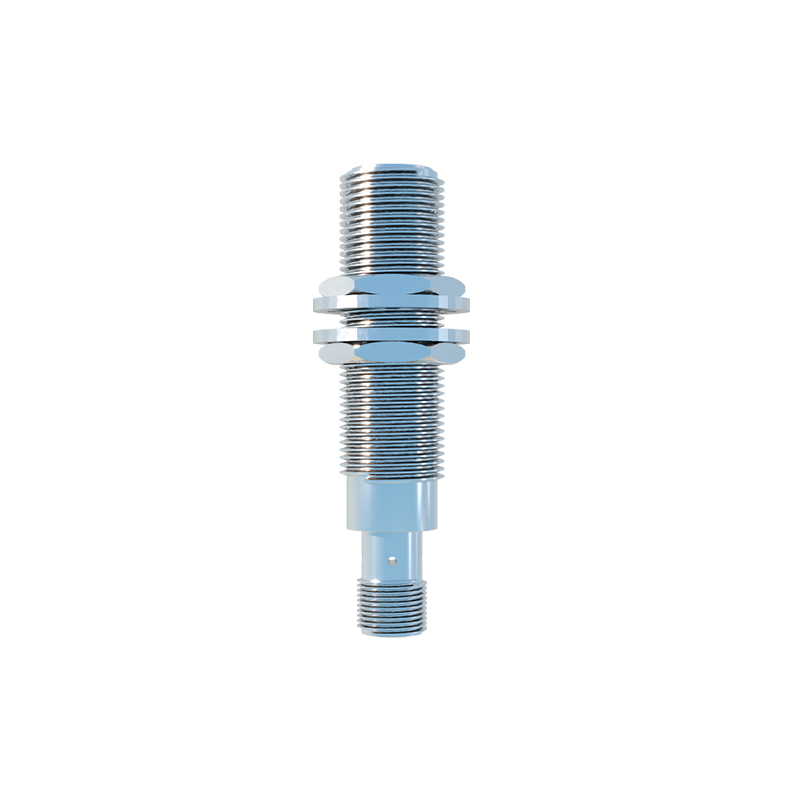
PVC Insulated Cables
Polyvinyl Chloride (PVC) insulated cables represent the most common and cost-effective solution for general-purpose industrial sensor wiring. These cables feature conductors, typically made of stranded copper for flexibility, surrounded by a PVC insulation layer and an outer PVC jacket. They offer good resistance to abrasion, oils, and moisture under standard factory conditions. Available in various configurations such as single-core, two-core, three-core, and four-core, they cater to different sensor types (e.g., 2-wire, 3-wire DC, or 4-wire dual-output sensors). Their primary limitation is temperature range; standard PVC cables are typically rated from -5°C to +70°C or +80°C, making them unsuitable for high-temperature environments near ovens or welding stations. They are the standard choice for control panels, machine tools, and conveyor systems in controlled environments.
Polyurethane (PUR) Cables
For applications demanding superior mechanical toughness and chemical resistance, Polyurethane (PUR) jacketed cables are the preferred choice. The PUR material provides exceptional resistance to cutting, tearing, and abrasion—common hazards in automated machinery with continuous motion or cable drag chains. Furthermore, PUR cables exhibit excellent resistance to a wide range of chemicals, including coolants, lubricants, hydraulic oils, and solvents. They maintain flexibility even at low temperatures, with operating ranges often spanning from -40°C to +90°C or higher. This combination of properties makes PUR cables ideal for use in Cable Carriers (energy chains), robotic arms, material handling equipment, and food & beverage processing plants where frequent washdowns with cleaning agents occur.
Silicone Rubber Cables
In extreme temperature environments, silicone rubber insulated and jacketed cables excel. Their standout feature is an extremely wide operational temperature range, typically from -60°C to +180°C or even +200°C. This thermal stability ensures the cable does not become brittle in deep freeze applications or melt and degrade near furnaces, foundries, or glass manufacturing equipment. Silicone cables also offer good flexibility and resistance to ozone and weathering. However, they are generally less resistant to mechanical abrasion and cutting compared to PUR cables. Therefore, their primary application is in high-temperature zones where thermal endurance is the paramount concern, often accompanied by additional protective sleeving or conduit in high-abrasion areas.
Shielded Cables for EMI Protection
In electrically noisy environments, electromagnetic interference (EMI) can induce false signals in sensor cables, leading to erratic machine behavior. Shielded cables are engineered to mitigate this risk. They incorporate a metallic shield—usually a braided copper mesh or an aluminum foil laminate with a drain wire—that surrounds the insulated conductors. This shield acts as a Faraday cage, diverting electromagnetic noise away from the signal-carrying cores and grounding it. Shielded cables are essential when sensors are installed near variable frequency drives (VFDs), large motors, welding equipment, or high-power radio frequency sources. Using shielded cables with proper grounding practices is a critical step in ensuring signal integrity and compliance with electromagnetic compatibility (EMC) standards.
Cable Gland and Connector Integration
Beyond the cable itself, the termination method is crucial for maintaining the sensor's ingress protection (IP) rating. Many proximity sensors feature an integrated cable gland or a connectorized output. Cables for sensors with integrated glands must have an appropriate outer diameter to ensure a tight seal. For connectorized sensors, pre-molded cable assemblies with matching M8, M12, or M23 connectors are widely used. These connectorized systems offer significant advantages: they enable rapid sensor replacement, reduce wiring errors, and provide robust, standardized connections that are resistant to vibration and moisture. The choice between a cable gland style and a connector style often depends on the required IP rating (e.g., IP67, IP69K), maintenance philosophy, and initial installation cost considerations.
Key Selection Criteria and Conclusion
Selecting the correct proximity sensor cable requires a systematic evaluation of the application's demands. Engineers must consider the environmental