Introduction to Proximity Sensor Failures
Proximity sensors are critical components in industrial automation, providing non-contact detection of objects. When these sensors malfunction, it can lead to costly downtime and production errors. Identifying the exact location of damage is essential for efficient troubleshooting and repair. Common failure points include the sensing face, wiring connections, internal electronics, and environmental factors. This article explores these key areas to help engineers quickly diagnose and resolve issues with faulty proximity sensors.
Damage at the Sensing Face
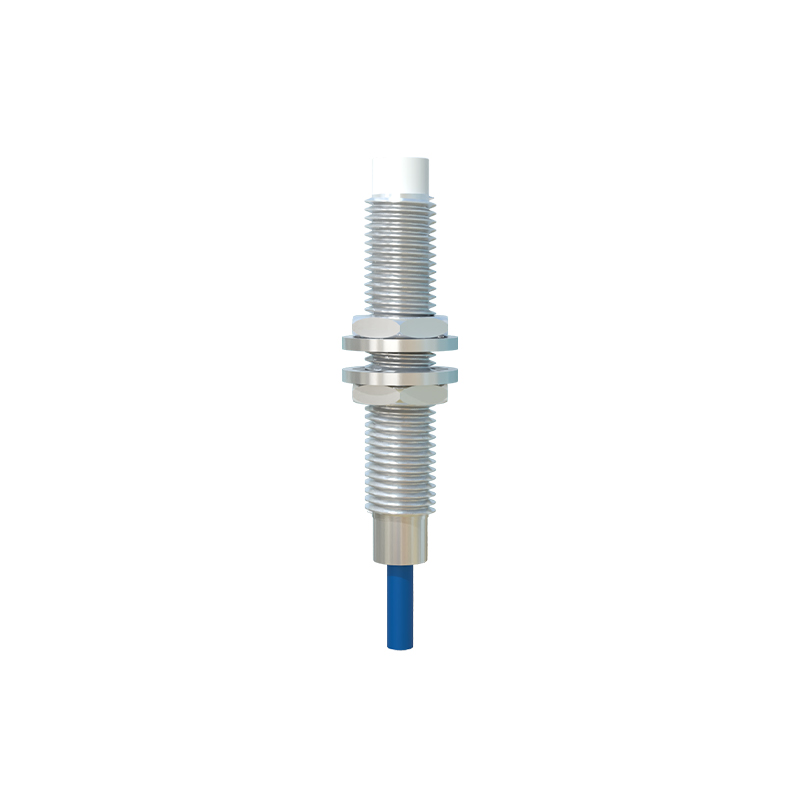
The sensing face is the most vulnerable part of a proximity sensor, as it directly interacts with the environment. Physical damage, such as cracks or scratches, can impair its ability to detect objects accurately. Contamination is another frequent issue; buildup of dirt, oil, or metal shavings can block the sensor's field, causing false readings or complete failure. Regular inspection and cleaning are recommended to prevent such problems. If the sensing face appears damaged or dirty, it should be cleaned with appropriate solvents or replaced if necessary.
Wiring and Connection Issues
Faulty wiring and loose connections are common culprits in proximity sensor failures. Check for frayed wires, corrosion at terminals, or improper grounding. In industrial settings, vibration and movement can loosen connections over time, leading to intermittent signals or no output. Use a multimeter to test continuity and voltage at the sensor's terminals. Ensure all connections are secure and comply with manufacturer specifications. Replacing damaged cables or tightening connections often resolves these issues without needing a full sensor replacement.
Internal Electronic Component Failure
Internal electronics, including oscillators, amplifiers, and output circuits, can fail due to overheating, voltage spikes, or aging components. Signs of internal damage include inconsistent output, no signal, or the sensor not powering on. To diagnose this, inspect the sensor for burn marks or swollen capacitors. Advanced testing with an oscilloscope may be required to analyze signal integrity. In many cases, internal failures necessitate replacing the entire sensor, as repairs are often not cost-effective or feasible in industrial environments.
Environmental Factors Causing Damage
Environmental conditions play a significant role in proximity sensor longevity. Exposure to extreme temperatures, humidity, chemicals, or electromagnetic interference (EMI) can degrade sensor performance. For instance, high temperatures may cause thermal expansion, affecting calibration, while moisture can lead to short circuits. Ensure sensors are rated for the specific operating environment and installed with proper shielding or enclosures if needed. Regular maintenance and monitoring of environmental parameters can help prevent premature failure.
Diagnostic Steps and Best Practices
To systematically locate damage, start with a visual inspection of the sensor and its surroundings. Test the power supply and output signals using diagnostic tools like multimeters or PLC monitors. Compare readings with manufacturer datasheets to identify deviations. Implement preventive measures, such as using surge protectors, maintaining clean environments, and scheduling routine checks. Documenting failures and solutions can aid in future troubleshooting and improve overall system reliability.
Conclusion and Recommendations
Identifying where a proximity sensor is damaged involves examining multiple areas, from the sensing face to internal components. By following a structured diagnostic approach, engineers can minimize downtime and extend sensor life. Always refer to manufacturer guidelines for specific models and consider environmental factors during installation. Investing in quality sensors and proper maintenance ultimately reduces failure rates and enhances operational efficiency in industrial applications.