Understanding M12 Thread Pitch in Proximity Sensors
The M12 thread is a standardized metric thread widely adopted in industrial automation, particularly for sensors and connectors. In proximity sensors, the "M12" designation specifically refers to the outer diameter of the threaded barrel, which is 12 millimeters. The thread pitch, a critical dimension for installation and compatibility, defines the distance between adjacent threads. For the standard M12 connection used in proximity sensors, the most common thread pitch is 1.0 mm. This means the distance from one thread crest to the next is precisely 1 millimeter. This standardization ensures that sensors from various manufacturers can be seamlessly integrated into standardized M12 mounting holes in machinery, control panels, and sensor hubs, facilitating easy replacement and maintenance.
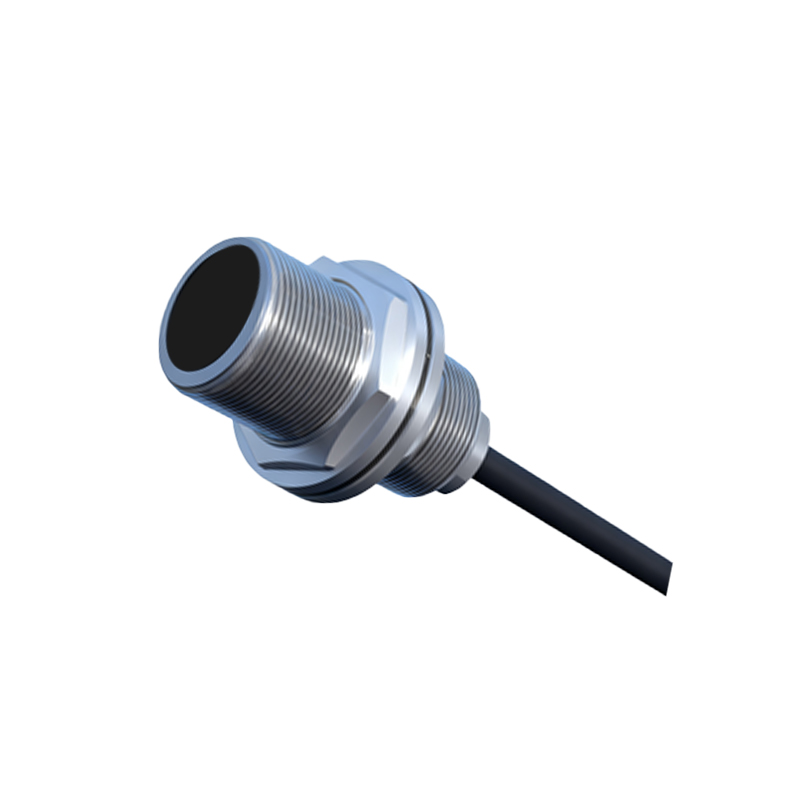
Standard M12 x 1.0 Pitch and Its Significance
The M12 x 1.0 thread is the de facto industry standard for cylindrical inductive, capacitive, and ultrasonic proximity sensors. This fine pitch offers a balance between mechanical strength and sealing capability. The 1.0 mm pitch provides sufficient thread engagement to withstand the vibrations and mechanical stresses common in industrial environments like assembly lines, packaging machinery, and robotic cells. Furthermore, this pitch works effectively with standard locking nuts and sealing washers to achieve high Ingress Protection (IP) ratings, such as IP67 or IP69K, which are crucial for sensors operating in dusty, wet, or washdown conditions. Engineers rely on this consistency for predictable performance and reliable mounting.
Alternative M12 Thread Pitches and Special Applications
While M12 x 1.0 is predominant, other pitch variations exist for specific regional or application needs. The M12 x 1.5 thread pitch is a less common alternative. This coarser pitch is sometimes found in certain markets or in specialized sensor designs where a different engagement characteristic is required. It is absolutely vital for maintenance personnel and procurement specialists to verify the thread pitch specification on the sensor datasheet or housing before installation or ordering a replacement. Using a sensor with an M12 x 1.5 thread in a mounting hole tapped for M12 x 1.0 will result in cross-threading, damaging both the sensor and the mounting fixture, leading to equipment downtime and unnecessary cost.
Installation and Mounting Considerations
Correct installation of an M12 proximity sensor hinges on understanding its thread pitch. The sensor is typically secured using a hexagonal locknut. The standard procedure involves inserting the threaded barrel into the prepared mounting hole and hand-tightening the locknut against a sealing washer or the mounting surface. A wrench is then used for final tightening, applying the torque value specified by the manufacturer—usually between 5 to 15 Nm—to ensure a secure fit without damaging the threads or the sensor housing. Proper installation guarantees optimal sensing performance, maintains the environmental seal, and prevents the sensor from loosening due to machine vibration over time.
Electrical Connection and Connector Compatibility
The M12 thread standard is intrinsically linked to the M12 electrical connector, which often features a matching threaded coupling nut. These connectors, following standards like IEC 61076-2, provide a robust, quick-disconnect interface for the sensor's power and signal wires. The connector's thread is also standardized to M12 x 1.0 pitch, ensuring a secure, vibration-resistant, and sealed electrical connection. Common coding types (A-coded for sensors/actuators, B-coded for fieldbus) use the same physical thread, making the thread pitch a universal mechanical key that supports the plug-and-play functionality essential in modern modular automation systems.
Selection Criteria Beyond Thread Pitch
When specifying an M12 proximity sensor, the thread pitch is just one parameter. Engineers must also consider the sensing technology (inductive for metals, capacitive for non-metals, etc.), sensing range, output type (PNP/NPN, analog, IO-Link), housing material (stainless steel, nickel-plated brass, PBT plastic), and the required electrical and environmental protection ratings. The ubiquity of the M12 x 1.0 form factor allows these other performance characteristics to be selected independently, giving designers great flexibility. This modularity has cemented the M12 threaded sensor as a fundamental building block in industrial control panels and machine design across the globe.