Introduction to Intelligent Proximity Sensors
Intelligent proximity sensors represent a significant leap in industrial sensing technology, integrating advanced features such as self-diagnostics, data communication, and adaptive sensing capabilities. These devices detect the presence or absence of objects without physical contact, utilizing technologies like inductive, capacitive, ultrasonic, or photoelectric principles. The evolution from traditional sensors to intelligent versions has been driven by the demand for higher precision, reliability, and connectivity in automated systems. Modern intelligent proximity sensors offer real-time monitoring, enabling predictive maintenance and reducing downtime in manufacturing environments. Their ability to communicate with control systems via protocols like IO-Link or Ethernet/IP enhances operational efficiency, making them indispensable in smart factories and Industry 4.0 applications.
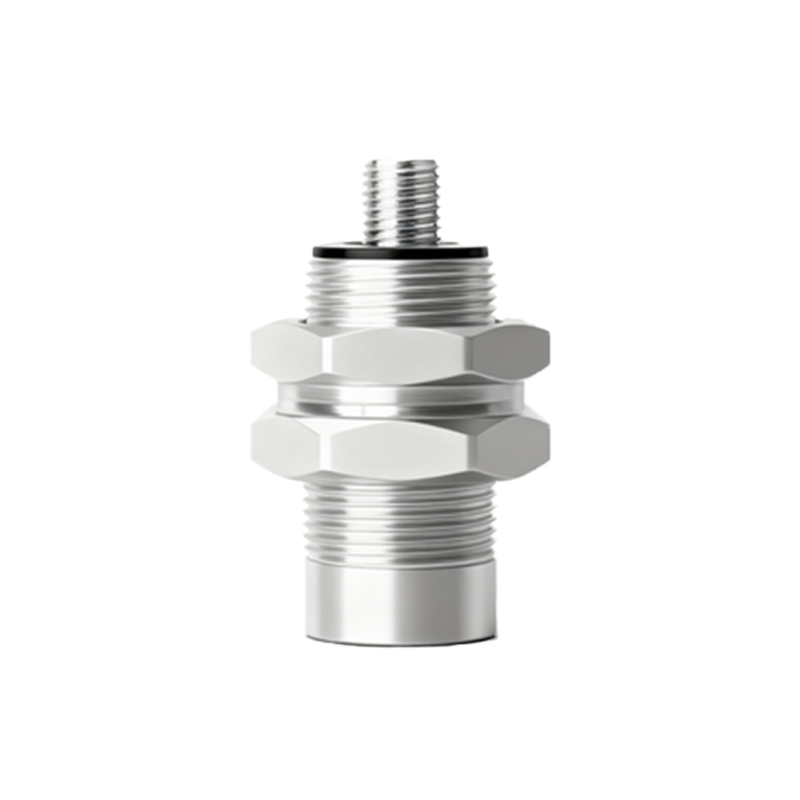
Key Features of Leading Suppliers
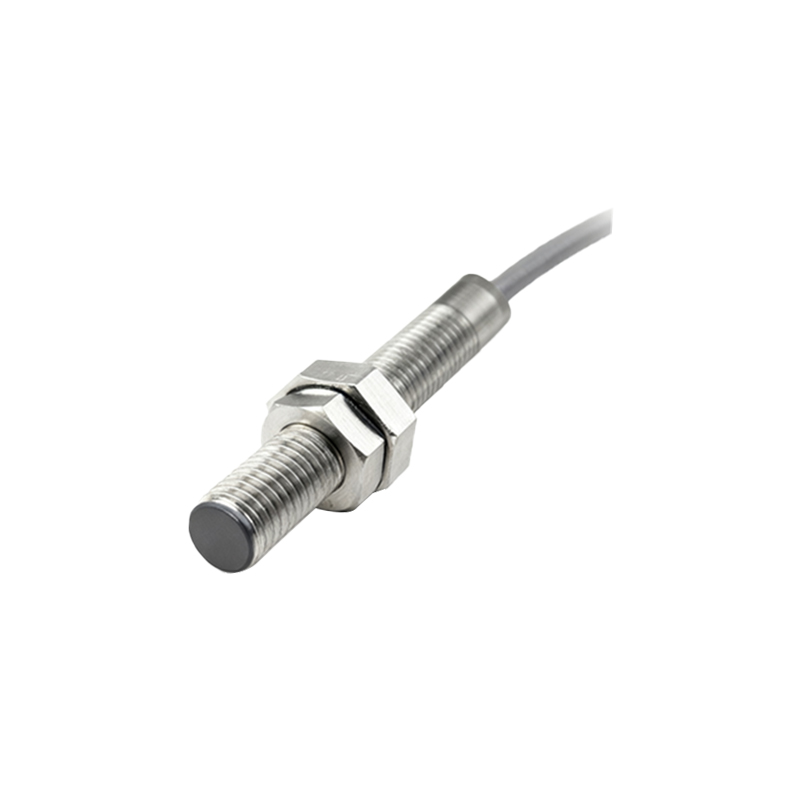
Top suppliers in the intelligent proximity sensor market distinguish themselves through innovation, quality, and customer support. Companies like Siemens, Omron, and Balluff are renowned for their robust product portfolios that include sensors with high immunity to environmental interference, extended sensing ranges, and compact designs. These suppliers invest heavily in research and development to incorporate IoT capabilities, allowing sensors to transmit data to cloud platforms for analytics. Additionally, they provide customization options to meet specific industry needs, such as harsh environment resistance in automotive or food processing sectors. Certification to international standards, such as ISO 9001 and IECEx, ensures product reliability and safety, fostering trust among industrial clients globally.
Applications Across Industries
Intelligent proximity sensors find applications in diverse sectors, revolutionizing processes with their accuracy and intelligence. In automotive manufacturing, they are used for position detection in assembly lines, ensuring precise component placement. The packaging industry relies on these sensors for object counting and fill-level monitoring, enhancing speed and reducing waste. In logistics, sensors facilitate automated guided vehicle (AGV) navigation and warehouse inventory management. Moreover, the pharmaceutical sector employs them in sterile environments to maintain compliance with regulatory standards. The adaptability of intelligent sensors allows for seamless integration into existing systems, driving productivity and innovation across fields like robotics, aerospace, and energy management.
Technological Advancements and Trends
The future of intelligent proximity sensors is shaped by ongoing technological advancements, including the integration of artificial intelligence and machine learning. AI-enabled sensors can learn from operational data to optimize performance and predict failures before they occur. Another trend is the miniaturization of sensors, enabling their use in space-constrained applications without compromising functionality. Wireless connectivity options, such as Bluetooth and Wi-Fi, are becoming standard, reducing installation costs and complexity. Furthermore, suppliers are focusing on sustainability by developing energy-efficient models and using eco-friendly materials. As industries embrace digital transformation, the demand for smart sensors with enhanced cybersecurity features is rising to protect against data breaches in interconnected systems.
Challenges and Solutions in Supply
Despite their benefits, intelligent proximity sensor suppliers face challenges like supply chain disruptions, component shortages, and rapid technological obsolescence. To address these, leading companies are adopting strategies such as diversifying manufacturing locations and building strategic partnerships with semiconductor providers. They also offer comprehensive technical support and training programs to help clients integrate sensors effectively. Innovations in modular designs allow for easier upgrades, extending product lifecycles. By leveraging digital twins and simulation tools, suppliers can test sensor performance in virtual environments, reducing time-to-market and ensuring quality. These efforts help maintain a steady supply of reliable sensors, supporting global industrial growth and automation initiatives.
Conclusion: The Path Forward
Intelligent proximity sensor suppliers are at the forefront of industrial innovation, driving efficiency and intelligence in automation. As technology evolves, their role will expand, with sensors becoming more interconnected and autonomous. Collaboration between suppliers, manufacturers, and end-users is crucial to harness the full potential of these devices. By prioritizing research, sustainability, and customer-centric solutions, the industry can overcome challenges and pave the way for smarter, more resilient production systems. Embracing these trends will ensure that intelligent proximity sensors continue to transform industries, contributing to a future where automation is seamless, data-driven, and sustainable.