Introduction to Two-Wire Proximity Sensors
Two-wire proximity sensors are widely used in industrial automation for detecting the presence or absence of objects without physical contact. Unlike three-wire or four-wire sensors, they simplify wiring by combining power and signal lines into just two wires. These sensors operate by generating an electromagnetic field and detecting changes caused by metallic or non-metallic targets. Common types include inductive sensors for metals and capacitive sensors for various materials. Their compact design and ease of installation make them ideal for space-constrained applications, such as conveyor systems, packaging machinery, and robotic arms. Understanding their wiring is crucial for ensuring reliable performance and avoiding common pitfalls like incorrect polarity or voltage mismatches.
Basic Wiring Principles and Components
The wiring of a two-wire proximity sensor involves connecting it directly to a power supply and a load, such as a PLC input or relay. Typically, these sensors are available in AC or DC versions, with voltage ranges like 10-30V DC or 20-250V AC. Key components include the sensor itself, a power source, and a load device. In a standard setup, one wire links to the positive terminal (for DC) or live wire (for AC), while the other connects to the load, which then returns to the negative terminal or neutral. This series circuit allows the sensor to control current flow—when a target is detected, the sensor switches on, enabling current to pass through the load. It's essential to check the sensor's datasheet for specifications like nominal voltage, current consumption, and leakage current to prevent malfunctions.
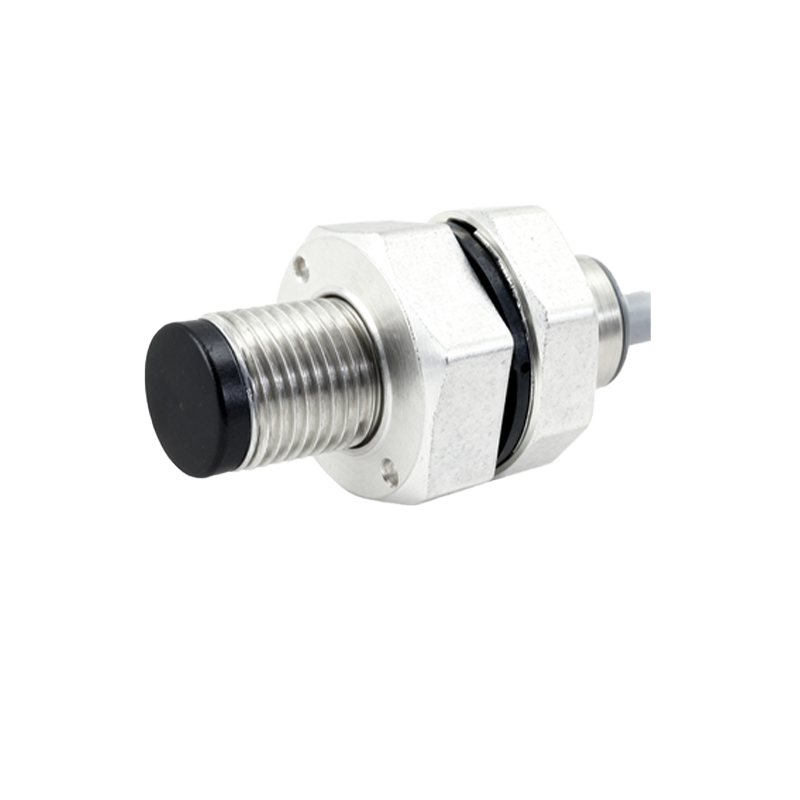
Step-by-Step Wiring Diagram Analysis
A typical wiring diagram for a two-wire DC sensor shows a simple loop: the positive side of the power supply connects to the brown wire of the sensor, and the blue wire links to the load's input. The load's output then returns to the negative side of the supply. For AC sensors, the brown wire often connects to the live wire, and the blue wire to the load, with the load completing the circuit to neutral. Diagrams may include symbols for the sensor (a rectangle with a wave icon), power source (battery or AC symbol), and load (relay coil or PLC). Always ensure proper grounding if specified, though two-wire sensors usually don't require a separate ground wire. Visual aids in diagrams help identify polarity and prevent reverse connections, which can damage the sensor or cause erratic behavior.
Common Applications and Installation Tips
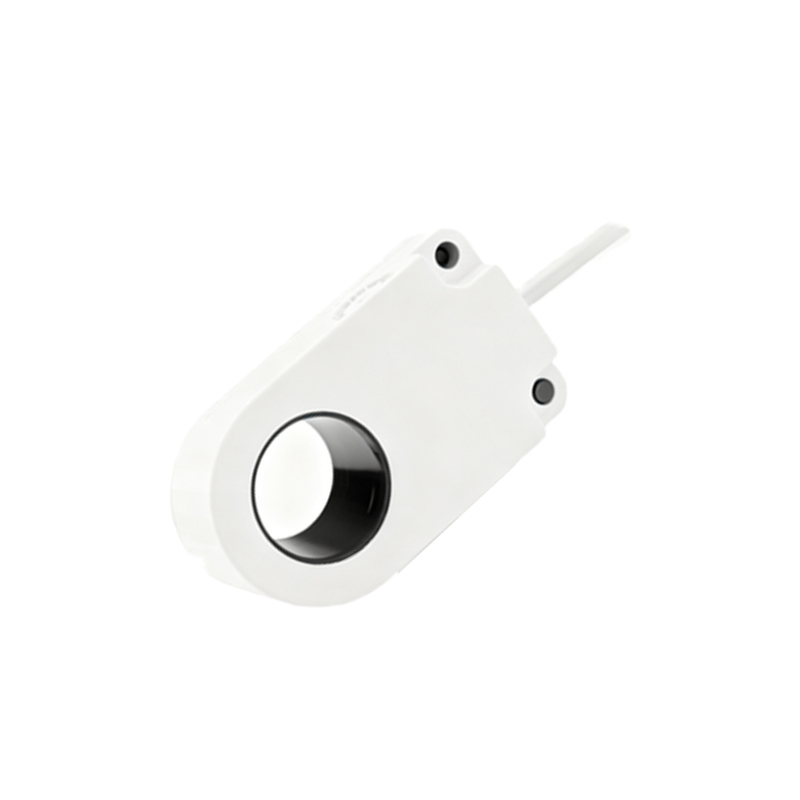
Two-wire proximity sensors are employed in diverse settings, from manufacturing lines to automotive assembly. They monitor object positioning, count items, or trigger safety stops. For installation, first de-energize the circuit to avoid shocks. Mount the sensor securely using brackets, ensuring the sensing face is aligned with the target within its specified range—typically a few millimeters to tens of millimeters. Avoid placing sensors near strong magnetic fields or vibrating surfaces, as interference can reduce accuracy. When wiring, use shielded cables in noisy environments to minimize electromagnetic interference. Test the setup with a multimeter to verify voltage and current levels match the sensor's ratings. Regular maintenance, like cleaning the sensing face, prolongs lifespan and prevents false triggers.
Troubleshooting and Safety Considerations
If a two-wire sensor fails, common issues include no output, intermittent operation, or overheating. Start by checking power supply voltage with a multimeter—low voltage can cause weak signals. Inspect wiring for loose connections or shorts, and ensure the load impedance is within limits; too high a load may not draw enough current, while too low can overload the sensor. Leakage current in off-state is normal for two-wire sensors but might inadvertently activate sensitive loads; adding a bypass resistor can mitigate this. Safety-wise, always follow lockout-tagout procedures during installation or repair. Use sensors with appropriate IP ratings for harsh conditions like dust or moisture. Refer to manufacturer guidelines for specific fault codes or LED indicators that aid diagnostics.
Advantages Over Other Sensor Types
Compared to three-wire sensors, two-wire versions offer reduced wiring complexity and lower installation costs, as they eliminate the need for a separate signal wire. This makes them suitable for retrofitting older systems with limited terminals. They also have fewer failure points due to simpler circuitry. However, they may have higher leakage current and less switching speed precision. In summary, two-wire proximity sensors balance efficiency and reliability for many industrial tasks. By mastering their wiring diagrams, engineers can optimize automation setups, enhance productivity, and minimize downtime. Always consult technical manuals for model-specific details to ensure seamless integration into control systems.