Introduction to Proximity Sensor Technology
Proximity sensors are indispensable components in modern industrial automation, enabling non-contact detection of objects within a defined range. These devices operate on various principles, including inductive, capacitive, ultrasonic, and photoelectric technologies. Inductive sensors detect metallic objects, while capacitive sensors can sense both metallic and non-metallic materials. The choice of technology directly impacts performance, application suitability, and cost. As factories worldwide push towards Industry 4.0 and smart manufacturing, the demand for reliable, precise, and durable proximity sensors has surged. This growth has fostered intense competition among suppliers, each striving to offer superior products in terms of sensing range, environmental resilience, form factor, and integration capabilities. Understanding the landscape of key suppliers is crucial for engineers and procurement specialists to make informed decisions that balance technical requirements with budgetary constraints.
Criteria for Evaluating Proximity Sensor Suppliers
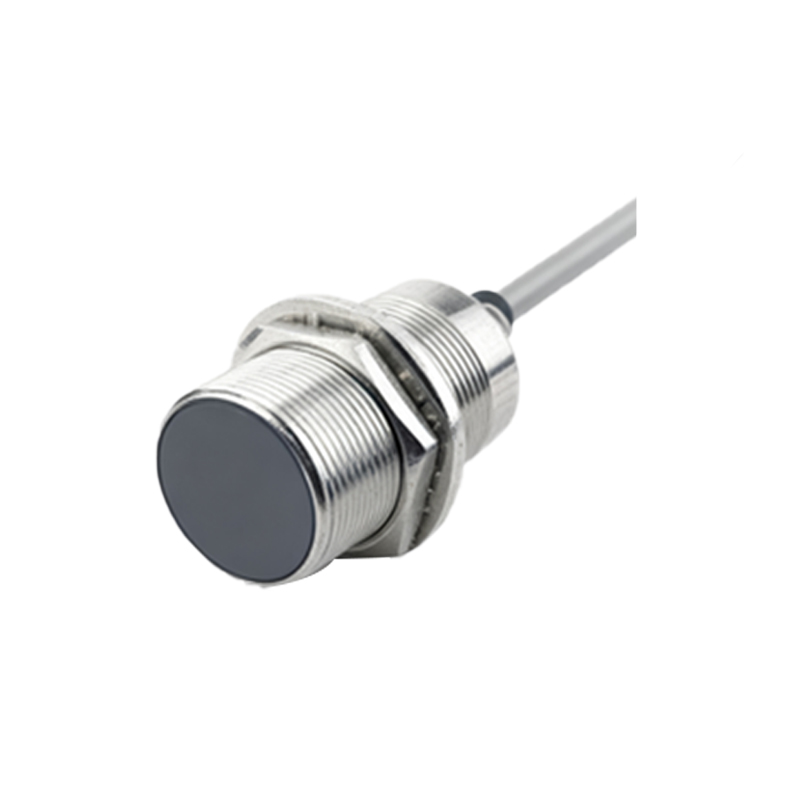
Ranking suppliers requires a multifaceted evaluation beyond mere market share. Key criteria include product portfolio breadth and depth, technological innovation, global manufacturing and support footprint, industry-specific expertise, and overall value proposition. A leading supplier typically offers a comprehensive range covering all major sensing technologies. Innovation is assessed through features like extended sensing distances, miniaturization, IO-Link compatibility for digital communication, and robust designs for extreme temperatures or washdown environments. A strong global presence ensures reliable supply chains and local technical support. Furthermore, suppliers with deep experience in demanding sectors like automotive, food & beverage, or packaging machinery often develop specialized solutions that outperform generic offerings. Finally, factors like pricing competitiveness, lead times, and the quality of documentation and software tools contribute significantly to the total cost of ownership.
Top Global Proximity Sensor Suppliers: The 2024 Ranking
Based on the aforementioned criteria, a hierarchy of leading global suppliers emerges. At the pinnacle sits Sick AG, a German powerhouse renowned for its sensor intelligence and innovation, particularly in photoelectric and inductive proximity sensors for factory and logistics automation. Close behind is ifm electronic, another German leader celebrated for its robust, IO-Link-enabled sensors and seamless system integration capabilities, making it a favorite in process industries. Pepperl+Fuchs stands as a titan in intrinsic safety and explosion-proof sensors, dominating hazardous area applications in chemical and oil & gas sectors. Omron Corporation from Japan is a dominant force, especially in Asia, offering an exceptionally wide portfolio known for high reliability and compact designs. Balluff GmbH, a German specialist, excels in high-precision inductive sensors and innovative RFID systems for industrial identification. Rockwell Automation (Allen-Bradley) and Siemens are key players in North America and Europe, respectively, often preferred for projects deeply integrated with their PLC and control ecosystems. Turck, with its versatile and rugged sensor lines, and Banner Engineering, a leader in photoelectric innovation, complete the list of top-tier global contenders.
Detailed Analysis of Leading Supplier Strengths
Each top supplier carves its niche. Sick's strength lies in advanced background suppression technology and high-performance sensors for challenging detection tasks. ifm electronic excels with its user-friendly setup, diagnostic capabilities via IO-Link, and durable designs for harsh environments. Pepperl+Fuchs offers unparalleled expertise in explosion protection (ATEX, IECEx) and a vast range of inductive and capacitive sensors. Omron impresses with its massive R&D investment, leading to ultra-miniature sensors and devices with advanced functions like noise immunity. Balluff is the go-to for precision measurement tasks and sophisticated factory automation solutions requiring high-density mounting. Rockwell Automation and Siemens provide the advantage of single-vendor simplicity for complete control system projects, though sometimes at a premium. Turck is praised for its connectivity solutions and sensors built to withstand extreme mechanical stress, while Banner is celebrated for its laser sensor accuracy and innovative, application-specific designs.
Regional Market Leaders and Specialized Niche Players
Beyond the global giants, strong regional suppliers and niche specialists play vital roles. In North America, companies like AutomationDirect offer excellent value-oriented options, making automation accessible. In Asia, Panasonic and Keyence are formidable competitors; Keyence, in particular, is known for its cutting-edge, high-performance sensors and exceptional technical sales support, though often at higher price points. Several European suppliers, such as Carlo Gavazzi and Eaton, provide reliable and cost-effective alternatives for standard applications. Furthermore, niche players focus on specific technologies like ultrasonic sensors or extreme environment applications, filling gaps that broader suppliers may not address as effectively. These companies often compete on deep technical expertise in a narrow field rather than overall scale.