Understanding the Fundamentals of Effective Range
The effective range, often termed as the nominal sensing distance (Sn), is a critical parameter defining the operational limits of a proximity sensor. It represents the maximum distance at which a standard target can be reliably detected under specified conditions. This distance is not a fixed, absolute value but is defined under controlled ambient temperature and supply voltage, typically 23°C (±5°C) and a nominal 24V DC. The standard target is usually a square of Fe360 (St37) mild steel with a thickness equal to the sensor's face diameter or 1mm, whichever is greater. Understanding that this is a theoretical reference point is vital; real-world applications introduce variables that necessitate careful consideration and often require derating.
Key Factors Influensing Sensing Distance
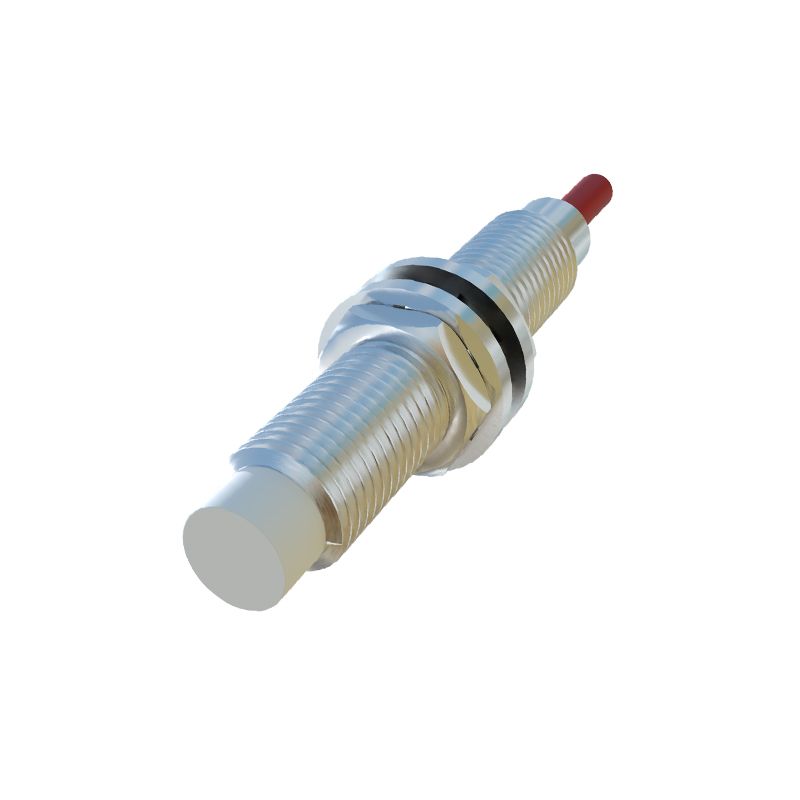
Several critical factors directly impact the practical effective range of a proximity sensor. First, the target material is paramount. Inductive sensors, the most common type for metal detection, have a correction factor for different metals. For instance, while mild steel has a factor of 1.0, stainless steel might be 0.7-0.9, aluminum 0.4-0.5, and copper/brass around 0.3-0.4. This means an inductive sensor with a 10mm Sn for steel will only detect a stainless steel target at approximately 7-9mm. Second, target size and shape matter. A target smaller than the sensor's active face will reduce the effective range. Third, ambient temperature affects electronic components and oscillation circuits, potentially reducing range at extremes. Supply voltage fluctuations can also influence performance, though modern sensors have good voltage tolerance.
Sensor Technology and Its Impact on Range
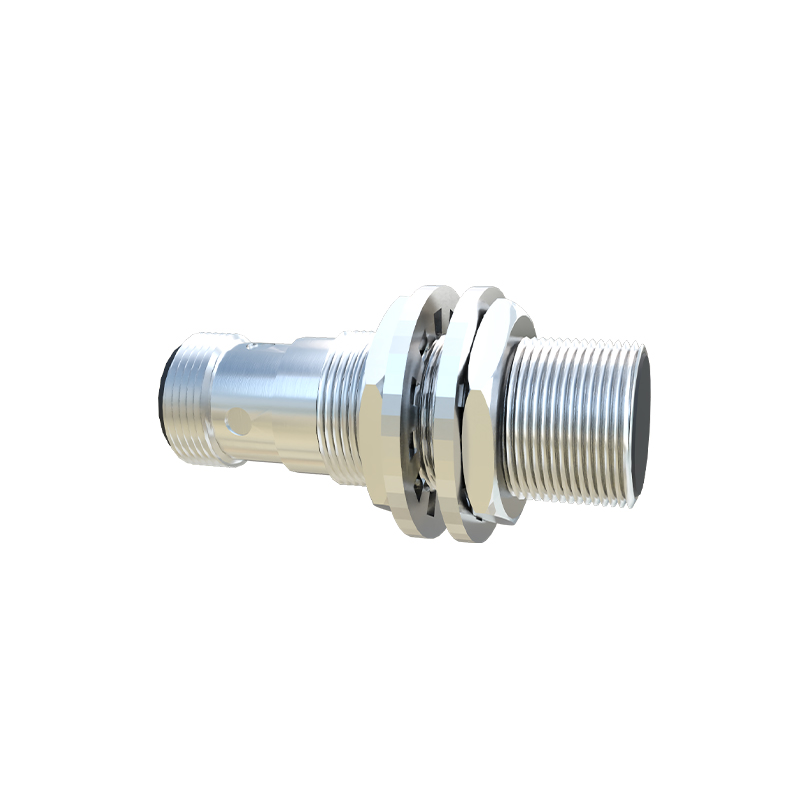
The underlying technology dictates the typical effective ranges achievable. Inductive proximity sensors, detecting metals, commonly offer ranges from 0.8mm to 60mm, with specialized models reaching 100mm. Capacitive sensors, used for non-metallic materials like liquids, wood, or plastics, generally have shorter ranges, typically from 3mm to 25mm. Ultrasonic sensors use sound waves and can achieve much longer ranges, from 20mm up to several meters, but are sensitive to environmental factors like air turbulence and temperature. Photoelectric sensors, while not strictly "proximity" in the same sense, offer the longest effective ranges, from centimeters to hundreds of meters, depending on the mode (through-beam, retro-reflective, or diffuse).
The Critical Role of Hysteresis
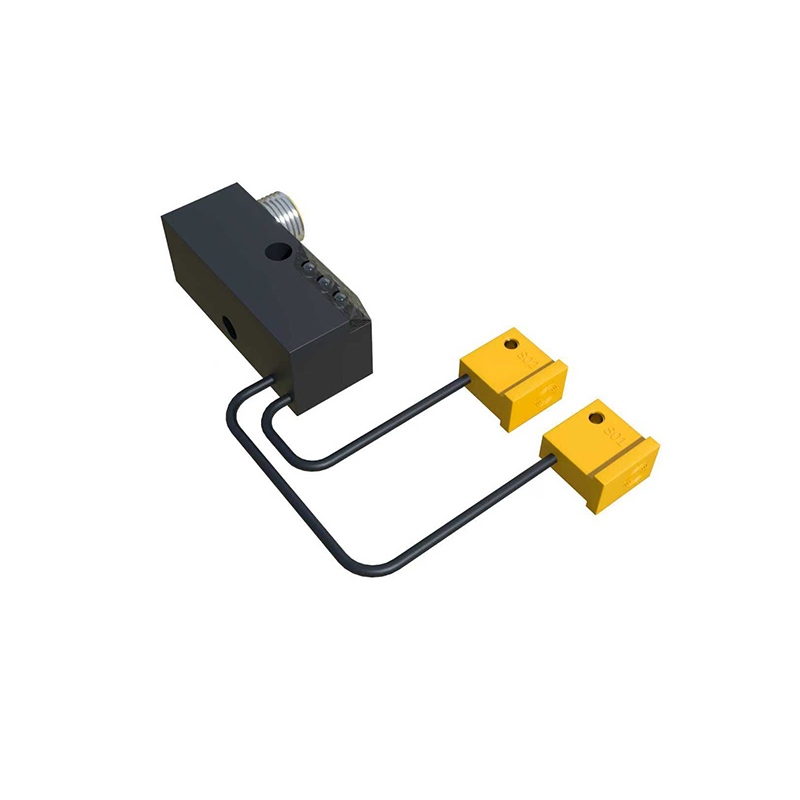
Hysteresis is an essential design feature directly related to effective range stability. It is the difference between the switch-on point (as the target approaches) and the switch-off point (as the target recedes). Expressed as a percentage of the nominal sensing distance (e.g., 3-10% for inductive sensors), hysteresis prevents output chatter when a target is positioned at the exact threshold of detection. Without this built-in dead band, vibration or minor positional drift could cause the sensor to rapidly toggle on and off, leading to unreliable control signals and potential equipment malfunction. Engineers must account for this when designing for precision positioning.
Installation Considerations and Mounting
Proper installation is crucial for achieving the published effective range. For inductive and capacitive sensors, the mounting environment is critical. Flush-mountable sensors can be installed embedded in metal without affecting their range, as they are shielded. Non-flush (unshielded) sensors offer a longer nominal range but require a clear zone around the sensing face—typically one to two times the sensor diameter—free of any surrounding metal to avoid false triggering or reduced sensitivity. Parallel mounting of multiple sensors requires increased spacing to prevent mutual interference. Furthermore, the presence of strong electromagnetic fields or welding currents can adversely affect sensor operation and effective range.
Real-World Application and Derating Practices
In practical industrial applications, it is a standard and prudent engineering practice to derate the nominal sensing distance. A common rule is to utilize only 60-80% of the published Sn for reliable system design. This safety margin accounts for all the variables: material variations, temperature drift, supply voltage tolerance, mechanical tolerances in fixture and target alignment, and potential buildup of contaminants like oil, dust, or metal chips on the sensor face. Designing to the absolute maximum range leaves no room for error and increases the risk of intermittent failures. Consistency and reliability should always be prioritized over maximizing the theoretical detection distance.
Testing and Verification Procedures
Verifying the effective range in the actual application environment is a necessary final step. This involves using the real target material and moving it slowly towards the sensor face along the central axis to determine the precise switch-on point. The process