Understanding Proximity Sensors for Metal Detection
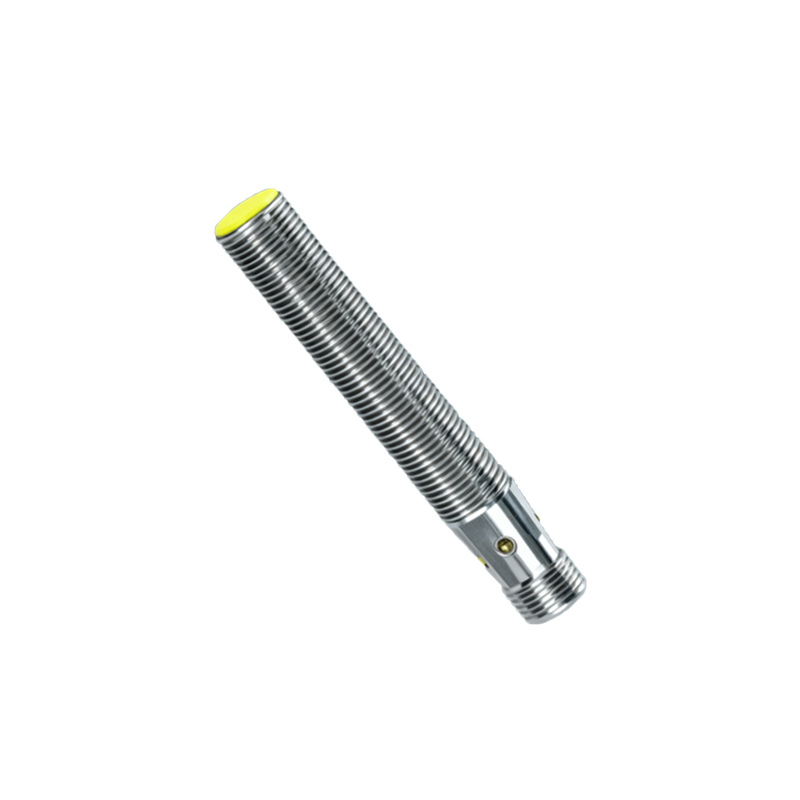
Proximity sensors designed for metal detection are fundamental components in modern industrial automation. These non-contact devices detect the presence or absence of metallic objects using electromagnetic fields, primarily through inductive sensing technology. When a metal target enters the sensor's active field, it causes a change in oscillation, which the sensor's circuitry detects and converts into a switching output signal. This technology is prized for its reliability, speed, and durability, as it has no moving parts and is largely immune to environmental contaminants like dust, oil, or moisture. Common applications range from simple object counting and position verification on conveyor belts to complex safety interlock systems and robotic guidance in manufacturing cells. The core performance parameters include sensing distance, repeat accuracy, switching frequency, and housing material, which must be selected based on the specific industrial environment and target metal type.
Key Criteria for Evaluating a Supplier
Selecting a supplier goes beyond comparing price lists. A reputable proximity sensor supplier demonstrates excellence across several critical areas. First, technical expertise and application support are paramount. The supplier should have engineers capable of understanding your specific challenge, whether it involves detecting small ferrous fasteners or large non-ferrous metal sheets, and recommending the optimal sensor model. Second, product quality and certification are non-negotiable. Look for suppliers whose products carry international certifications like UL, CE, or ATEX for hazardous environments, ensuring they meet stringent safety and performance standards. Third, assess their manufacturing consistency and quality control processes. A reliable supplier will have robust procedures to guarantee that every sensor performs identically to its datasheet specifications, batch after batch. Finally, consider their logistical capabilities, including lead times, inventory management, and global distribution network, which are crucial for maintaining your production continuity.
The Importance of Product Range and Customization
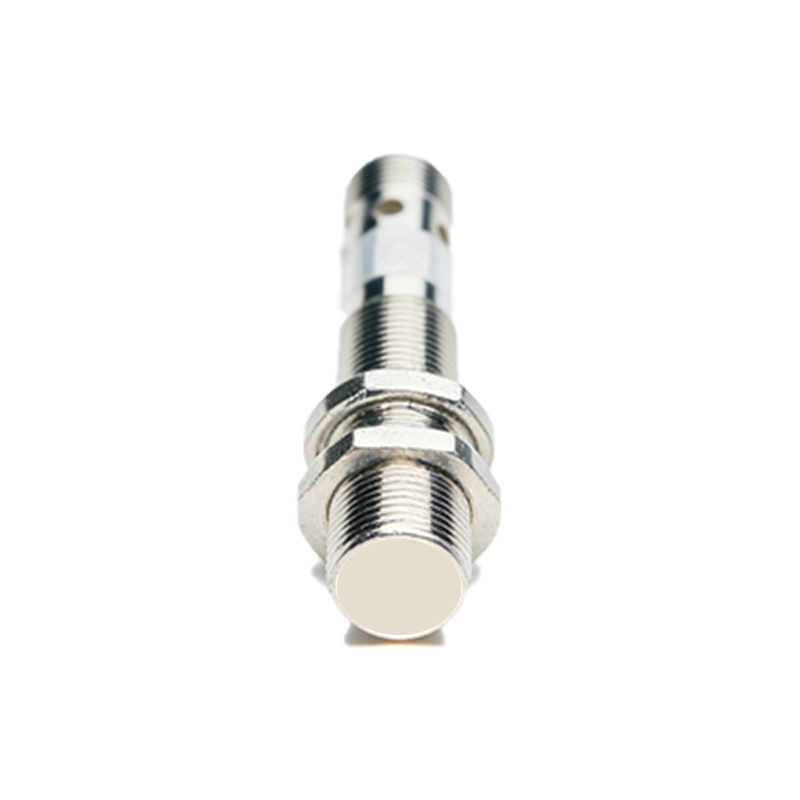
A top-tier supplier offers a comprehensive portfolio of inductive proximity sensors. This range should include various form factors like cylindrical, rectangular, and ring-shaped sensors, along with different sensing ranges from a few millimeters to several tens of millimeters. It should also encompass diverse output types (e.g., NPN, PNP, analog, IO-Link) and connection methods (e.g., cable, connector). Furthermore, the ability to provide specialized variants is a significant advantage. This includes sensors with extended temperature ranges for foundries, weld-field immune models for robotic welding applications, or all-stainless-steel housings for the food and pharmaceutical industries. A supplier with strong R&D and engineering resources can also offer customization, such as modifying sensing distances, output configurations, or cable lengths to fit unique machinery designs, providing a solution where standard products fall short.
After-Sales Support and Long-Term Partnership
The relationship with a supplier begins after the purchase order is placed. Exceptional after-sales support is a hallmark of a superior supplier. This includes comprehensive documentation, readily available datasheets, 2D/3D models for easy integration into design software, and clear installation guides. A responsive technical support team that can troubleshoot application issues is invaluable for minimizing downtime. Additionally, consider the supplier's policy on warranties and product lifecycle management. A partner committed to long-term support will ensure the availability of spare parts and replacement units for years, protecting your capital investment. They may also offer value-added services like sensor auditing, preventive maintenance advice, or training sessions for your maintenance staff, fostering a collaborative partnership focused on optimizing your operational efficiency.
Navigating the Global Supplier Landscape
The market for industrial proximity sensors features a mix of large, global automation conglomerates and specialized, nimble manufacturers. Major global brands often provide the assurance of widespread availability, extensive R&D investment, and a one-stop-shop for many automation components. However, specialized suppliers might offer deeper expertise in niche applications, more competitive pricing, and greater flexibility. When navigating this landscape, it is essential to request samples for real-world testing in your actual application. Evaluate not just the sensor's performance but also the supplier's responsiveness and communication during the evaluation phase. Attending industry trade shows, reviewing technical white papers, and seeking peer recommendations from within your industry network are effective strategies to identify and qualify potential suppliers who can become true strategic partners for your metal sensing requirements.