Introduction to Proximity Sensor Working Range
The maximum working range of a proximity sensor, often referred to as its sensing distance or operating range, is a fundamental specification that defines its operational limits. It represents the maximum distance at which the sensor can reliably detect the presence of a standard target under specified conditions. This parameter is not a single, universal figure but varies dramatically based on the sensor's underlying technology, size, and design. For engineers and system integrators, understanding the factors that influence this range is crucial for selecting the right sensor for applications ranging from precision assembly to bulk material handling. The quest for greater range often involves trade-offs with factors like size, cost, target material dependency, and environmental robustness.
Technology Dictates the Fundamental Limits
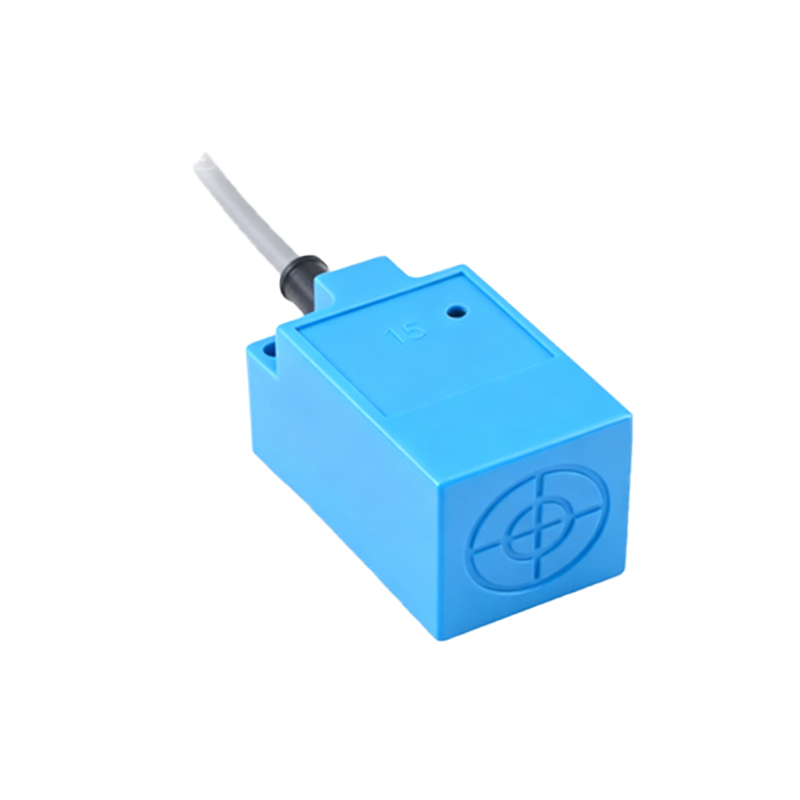
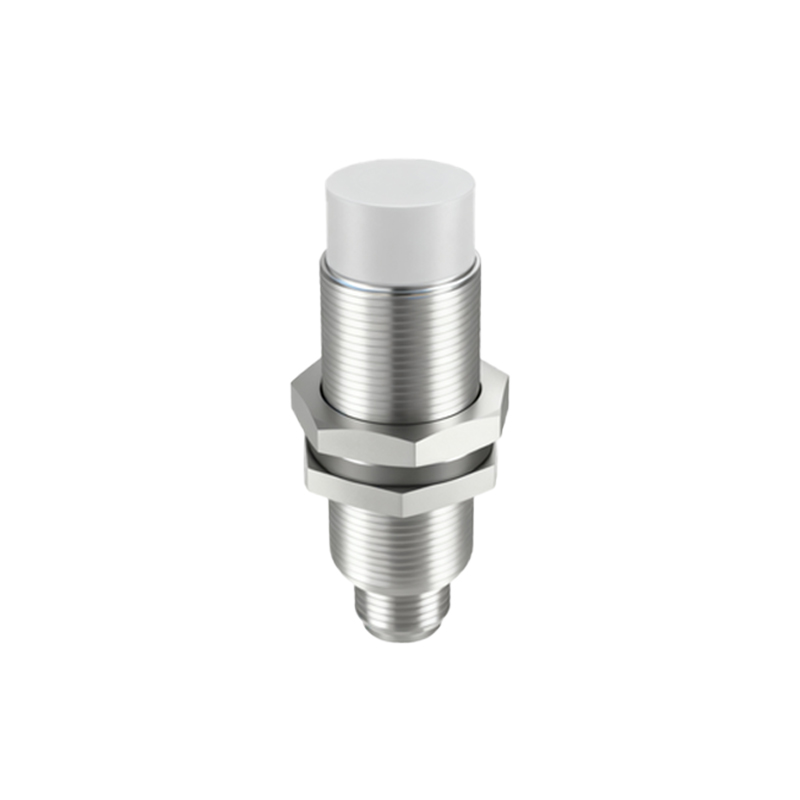
The core sensing technology sets the primary boundary for potential range. Inductive proximity sensors, which detect metallic objects, typically offer the shortest ranges, from 0.8 mm to 70 mm for standard cylindrical models. Specialized large-diameter inductive sensors can achieve ranges up to 120 mm. Capacitive sensors, capable of detecting both metallic and non-metallic materials, generally have comparable or slightly shorter standard ranges than inductive types, but their effective range is highly dependent on the target material's dielectric constant. Ultrasonic sensors operate on a time-of-flight principle and can achieve much longer ranges, commonly from 20-30 mm up to 6-8 meters, with some specialized long-range models exceeding 15 meters for large object detection. Photoelectric sensors, using modulated light beams, offer the most versatile and often the longest ranges; diffuse reflective types work from a few centimeters to several meters, while through-beam and retro-reflective models can reliably sense objects at distances from 1 meter up to 100 meters or more in clear air conditions.
Key Factors Influencing Maximum Achievable Range
Several critical factors determine the practical maximum working range in a real-world installation. First is the target size, material, and shape. A sensor's rated range is specified for a standard target (e.g., a square of mild steel for inductive sensors). Larger targets can sometimes be detected at slightly greater distances. For photoelectric and ultrasonic sensors, target color, reflectivity, texture, and angle significantly impact range. Second, environmental conditions are paramount. For optical sensors, ambient light, dust, fog, and steam can drastically reduce effective range. For ultrasonic sensors, air turbulence, temperature gradients, and high noise levels can interfere. Third, electrical factors like supply voltage stability and output load can affect performance margins. Finally, the required response time and switching frequency may impose a practical limit shorter than the sensor's absolute maximum detection distance.
Pushing the Boundaries: Extended and Specialized Ranges
Manufacturers continuously develop sensors for extended-range applications. In photoelectric technology, laser-based sensors provide highly collimated beams capable of extremely long-range detection with high precision, used in applications like crane positioning or large warehouse inventory systems. Background suppression sensors use triangulation to define a precise sensing window, allowing reliable detection of objects within a specific range band while ignoring more distant background objects. For inductive sensing, analog or "factor 1" sensors provide a continuous output proportional to distance, and while their linear range is limited, specialized versions are optimized for longer discrete detection. It is essential to consult datasheets carefully, as the "assured operating distance" is a guaranteed detection range, while the "maximum detection distance" may be a non-guaranteed value under ideal conditions.
Application Examples and Range Selection Guidelines
Choosing a sensor based on maximum range requires careful application analysis. For robotic arm end-effector positioning or part presence in a tight machining center, a short-range inductive sensor (2-5 mm) is ideal for precision and immunity to interference. For detecting boxes on a conveyor belt, a diffuse photoelectric sensor with a 300-500 mm range might be suitable. For monitoring the fill level of a tall silo, a long-range ultrasonic sensor (5-10 m) or a laser distance sensor would be necessary. A critical best practice is to derate the sensor's published maximum range. A common rule of thumb is to select a sensor with a nominal range 1.5 to 2 times greater than the actual required application distance. This provides a safety margin for target variations, sensor aging, and environmental contaminants, ensuring long-term reliability and reducing false triggers.
Conclusion: A Balance of Specifications
The question of a proximity sensor's maximum working range does not have a single answer. While photoelectric sensors can technically achieve ranges over 100 meters, no single sensor type is optimal for all situations. The maximum usable range is always a compromise, balanced against requirements for precision,