Understanding Proximity Sensor Fundamentals
Proximity sensors are indispensable components in modern industrial automation, detecting the presence or absence of objects without physical contact. They operate on various principles, primarily inductive, capacitive, ultrasonic, and photoelectric. A genuine sensor reliably performs its designated function within specified environmental conditions, such as temperature ranges, voltage fluctuations, and exposure to contaminants. Counterfeit products often compromise on the core sensing technology, using inferior coils, oscillators, or sensing elements that lead to inconsistent detection ranges, false triggers, or complete failure. The first step in identification is a solid grasp of the sensor's stated technology and its typical performance envelope.
Visual Inspection and Physical Build Quality
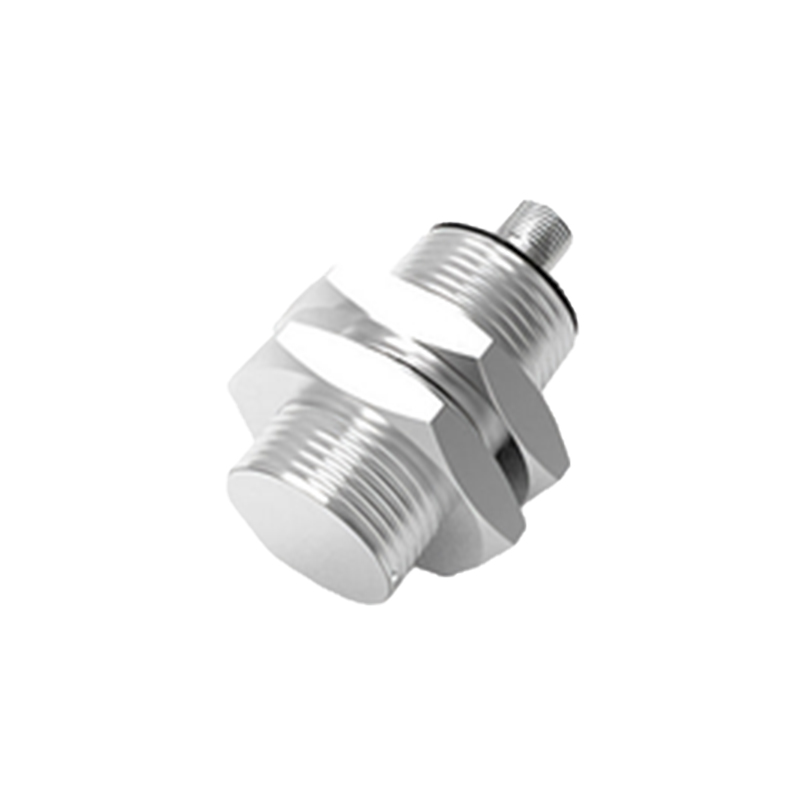
A thorough physical examination can reveal many telltale signs of a counterfeit. Authentic proximity sensors from reputable manufacturers exhibit high-quality construction. Inspect the housing material; genuine sensors often use robust, industry-grade plastics or metals with a consistent finish, clear, legible laser-etched markings for part numbers, serial numbers, and electrical ratings. Counterfeits may have blurred, painted-on labels that wear off easily, or use lighter, flimsier plastics. Check the connector or cable entry. Authentic M12 or M8 connectors have precise threading and are often made of brass or nickel-plated brass, while fakes might use poor-quality plating that corrodes quickly or plastic threads that strip easily.
Analyzing Electrical Performance and Specifications
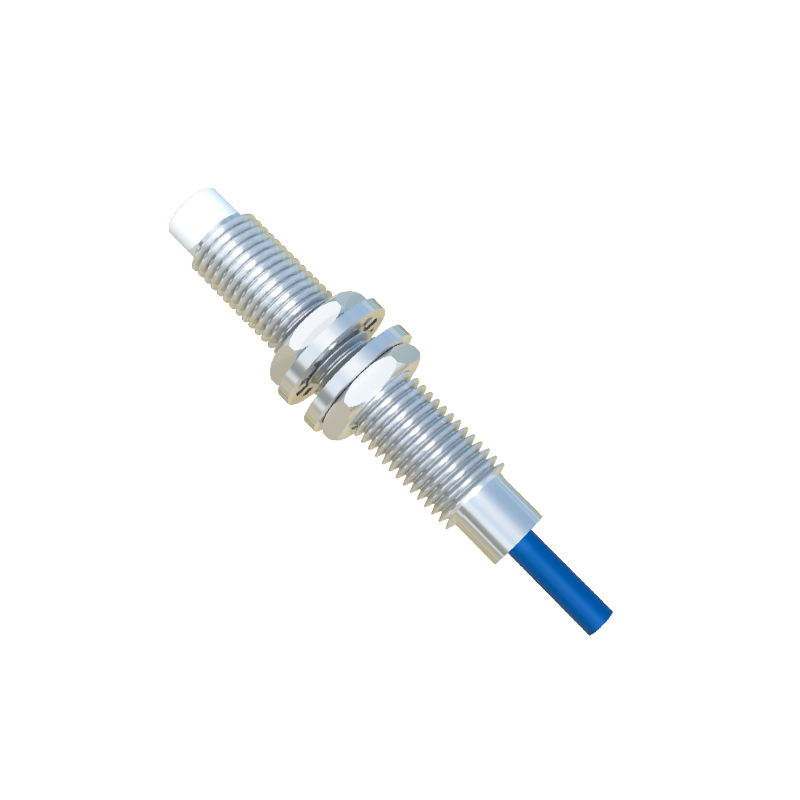
Bench testing is crucial. Using a calibrated multimeter and oscilloscope, measure the sensor's operating current, switching frequency, and output signal under load. Compare these readings against the manufacturer's datasheet. Genuine sensors will perform within the published tolerances. A common fault in fake inductive sensors is a significantly reduced sensing distance. Test the nominal sensing distance (Sn) with a standard target. Counterfeits often achieve only 60-80% of the stated range. Also, test the repeat accuracy. A genuine sensor will consistently detect the target at the same point; a fake will show variance. Monitor the output under voltage dips (brown-out conditions) as specified; counterfeit circuits may reset or behave erratically.
Internal Component and Circuitry Analysis
If possible, carefully open a sample unit (this may void warranties on genuine parts). The internal PCB of an authentic sensor is clean, with orderly soldering, proper use of conformal coating for moisture and dust resistance, and clearly branded integrated circuits and transistors. Counterfeits often have messy hand-soldered joints, no protective coating, and use generic, low-specification, or remarked chips. The coil in an inductive sensor is particularly telling. Genuine coils are wound precisely and potted securely in epoxy. Fake coils may be loosely wound, use thinner gauge wire, or lack proper potting, leading to thermal and mechanical instability.
Verification Through Official Channels and Documentation
Always source sensors from authorized distributors. Reputable manufacturers provide certificates of conformity and traceability. Check the packaging; genuine products come in branded, high-quality boxes with proper foam inserts, and include multilingual manuals and datasheets. Counterfeit packaging is often flimsy with poor-quality printing. Use the manufacturer's online verification tools. Many leading brands have serial number checkers on their websites. Additionally, the product's documentation is a key indicator. Authentic datasheets are detailed, with comprehensive graphs for temperature drift, frequency response, and EMC immunity. Fake or copied datasheets are often sparse, contain errors, or are low-resolution scans.
Long-Term Reliability and Environmental Testing
The ultimate test of authenticity is performance over time and under stress. Genuine sensors are designed for long-term industrial use. Subject the sensor to environmental stress tests if feasible, such as thermal cycling, vibration testing, and ingress protection (IP) testing for dust and water resistance. A counterfeit sensor will likely fail IP ratings due to poor gasket design or housing seals. Monitor its performance over several weeks of continuous operation. Genuine sensors maintain stable characteristics, while counterfeits may exhibit drift in sensing distance, increased leakage current, or premature output failure due to component degradation.
Conclusion and Best Procurement Practices
Identifying fake proximity sensors requires a multi-faceted approach combining visual checks, electrical verification, and source validation. The cost of a counterfeit sensor is not just its lower purchase price, but the potential for unplanned downtime, product quality issues, and safety hazards in a production line. Establish a rigorous incoming inspection procedure for critical components. Build relationships with trusted suppliers and insist on full documentation. Investing in genuine, high-quality proximity sensors from established manufacturers is an investment in system reliability, safety, and overall operational efficiency, safeguarding your