Introduction to M6 Proximity Sensors
M6 proximity sensors represent a critical component in modern industrial automation, offering high precision and durability in detecting the presence or absence of objects without physical contact. These sensors are widely utilized across various sectors, including manufacturing, automotive, and packaging, due to their compact size and robust performance. The M6 designation typically refers to the sensor's thread size, which is 6mm, making it suitable for applications where space is limited but reliable detection is essential. Operating on principles such as inductive, capacitive, or magnetic sensing, M6 sensors can detect metals, liquids, and other materials, depending on the specific type. Their ability to function in harsh environments, with resistance to dust, moisture, and temperature fluctuations, underscores their importance in maintaining efficient and safe operations. As industries increasingly adopt automated systems, the demand for M6 proximity sensors continues to grow, driven by their versatility and cost-effectiveness.
Key Features and Technical Specifications
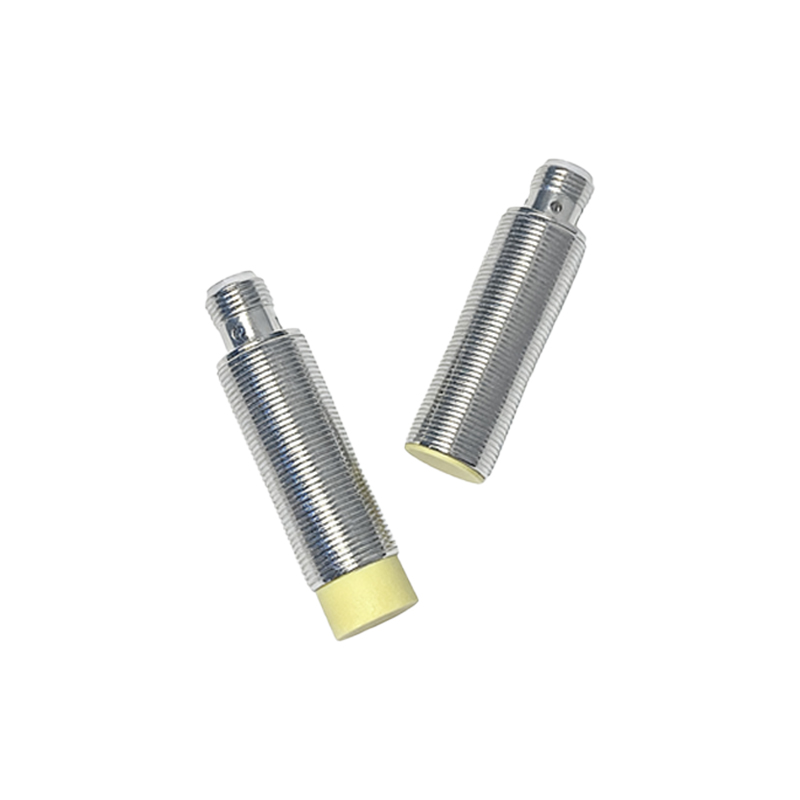
M6 proximity sensors are engineered with several key features that enhance their performance in industrial settings. Typically, these sensors offer a sensing range of up to 2mm for inductive types, with response times in the microsecond range, ensuring rapid detection for high-speed applications. They are constructed from materials like stainless steel or nickel-plated brass, providing corrosion resistance and longevity. Many M6 models incorporate LED indicators for easy status monitoring, along with short-circuit and overload protection to prevent damage in electrical faults. The sensors operate on standard voltage ranges, such as 10-30V DC, and are available in both normally open and normally closed configurations to suit different control systems. Additionally, they comply with international standards like IP67 for ingress protection, allowing use in wet or dusty conditions. These technical attributes make M6 sensors a reliable choice for tasks requiring consistent accuracy, such as position sensing in conveyor belts or part detection in assembly lines.
Applications in Industrial Automation
In industrial automation, M6 proximity sensors play a pivotal role in enhancing productivity and safety. Common applications include object detection on production lines, where they monitor the passage of components to trigger subsequent actions like sorting or packaging. In the automotive industry, these sensors are used for precise positioning of robotic arms during welding or painting processes, ensuring quality control. They also facilitate counting and monitoring tasks in packaging machinery, helping to maintain throughput and reduce errors. Beyond manufacturing, M6 sensors are employed in material handling systems to detect pallets or containers, preventing collisions and optimizing logistics. Their non-contact nature minimizes wear and tear, reducing maintenance costs over time. By integrating with programmable logic controllers (PLCs) and other control systems, M6 sensors contribute to seamless automation, enabling real-time data collection and process adjustments for improved efficiency.
Advantages Over Other Sensor Types
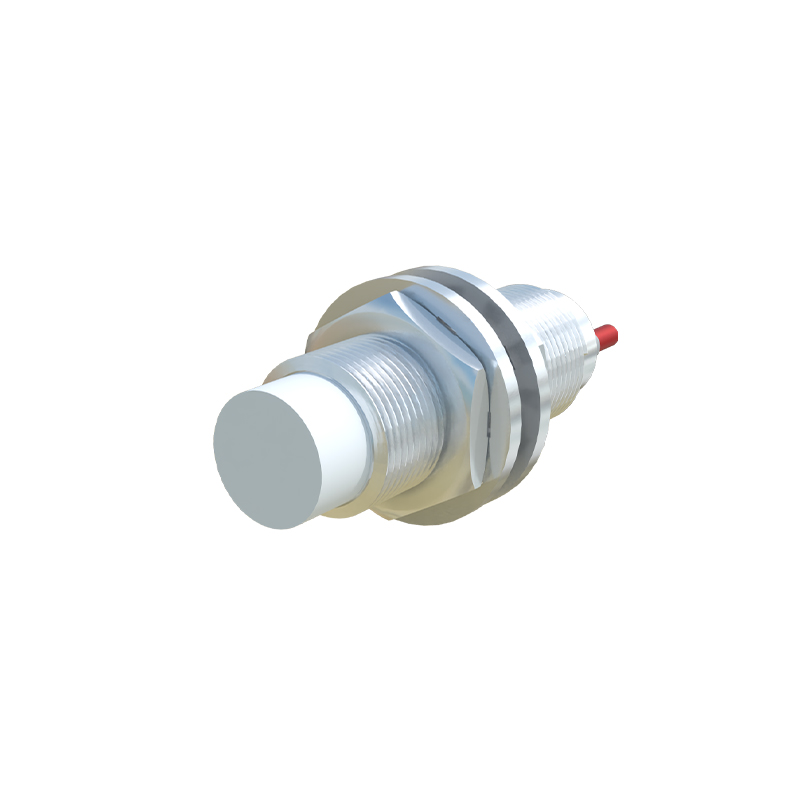
Compared to other proximity sensor sizes or technologies, M6 sensors offer distinct advantages that justify their widespread adoption. Their small form factor allows installation in tight spaces where larger sensors might not fit, without compromising on detection capabilities. The M6 thread size provides a secure mounting option, reducing vibration-related issues in dynamic environments. In terms of cost, they are often more economical than ultrasonic or photoelectric sensors, while still delivering reliable performance for metal detection tasks. Their simplicity in design translates to ease of integration and minimal calibration requirements, saving time during setup. Furthermore, M6 inductive sensors excel in detecting ferrous and non-ferrous metals with high repeatability, making them superior for applications involving metallic objects. These benefits, combined with their durability, make M6 sensors a preferred choice for many engineers seeking a balance between performance and affordability in automation projects.
Installation and Maintenance Best Practices
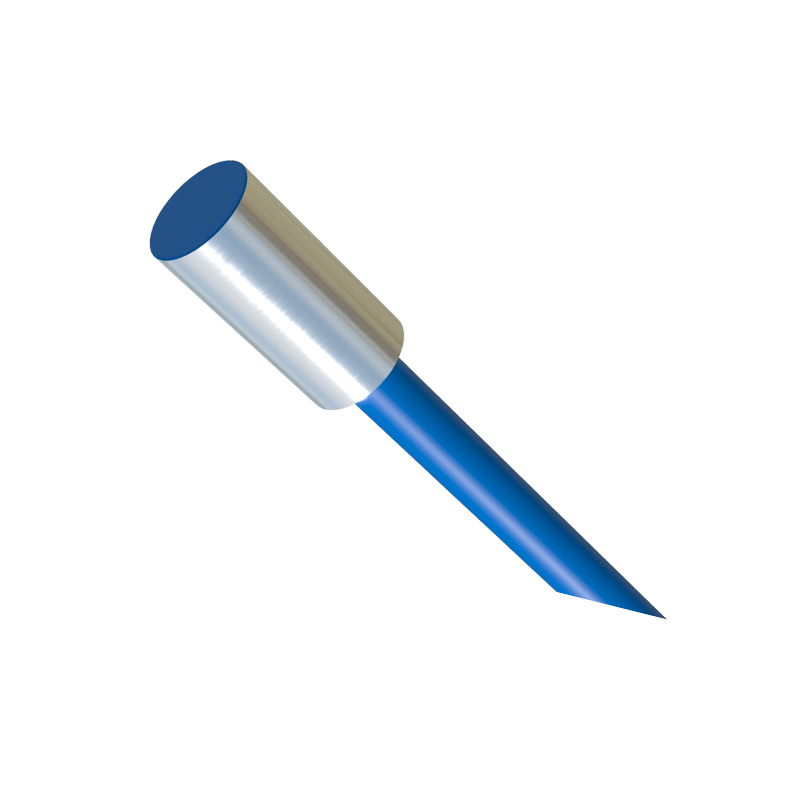
Proper installation and maintenance are crucial for maximizing the lifespan and accuracy of M6 proximity sensors. During installation, it is important to ensure correct alignment with the target object, maintaining the specified sensing distance to avoid false triggers. Mounting should be done using appropriate tools to prevent damage to the thread, and electrical connections must follow manufacturer guidelines to prevent short circuits. Regular maintenance involves cleaning the sensor face to remove debris that could interfere with detection, as well as checking for signs of wear or corrosion. Environmental factors, such as temperature extremes or exposure to chemicals, should be monitored to select sensors with suitable ratings. Troubleshooting common issues, like intermittent signals, may involve verifying power supply stability or inspecting for electromagnetic interference. By adhering to these practices, users can enhance reliability and reduce downtime, ensuring continuous operation in demanding industrial settings.
Future Trends and Innovations
The future of M6 proximity sensors is shaped by ongoing advancements in technology and industry demands. Innovations include the integration of smart features, such as IO-Link communication, which enables digital data exchange for predictive maintenance