Introduction to Pneumatic Proximity Sensors
Pneumatic proximity sensors are critical components in industrial automation, utilizing air pressure to detect the presence or absence of objects without physical contact. These sensors operate by emitting a controlled stream of compressed air and measuring changes in pressure or flow caused by nearby objects. Known for their robustness and reliability, they excel in harsh environments where electrical sensors might fail due to dust, moisture, or explosive atmospheres. Their non-contact nature minimizes wear and tear, ensuring long-term operational stability. Industries such as manufacturing, automotive, and packaging rely on these sensors for precise detection tasks, enhancing safety and efficiency in automated systems.
Working Principle and Design
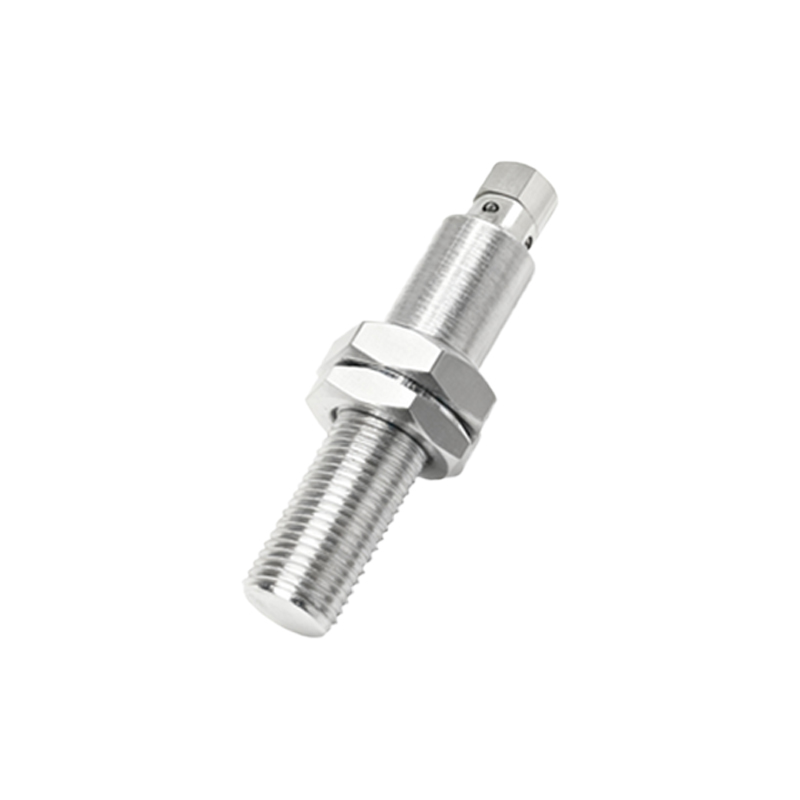
The core mechanism of pneumatic proximity sensors involves a simple yet effective design. Compressed air is supplied through an inlet, directed through a nozzle to create a laminar flow. When an object approaches the sensing area, it disrupts this flow, leading to a detectable change in backpressure or airflow rate. This change is converted into a signal, typically through a diaphragm or pressure switch, which triggers an output for control systems. Key design features include adjustable sensitivity, allowing customization for different object sizes and distances, and compact housings made from durable materials like stainless steel or plastic. This adaptability makes them suitable for diverse applications, from detecting fragile items to heavy machinery parts.
Key Applications in Industrial Settings
In modern industry, pneumatic proximity sensors are deployed across various sectors. In automotive assembly lines, they monitor the position of components during welding or painting processes, ensuring accuracy while avoiding electrical interference. Packaging machinery uses these sensors to detect labels, caps, or containers on high-speed conveyors, where their fast response times prevent jams and errors. Additionally, in hazardous areas like chemical plants, their explosion-proof nature makes them ideal for monitoring valve positions or material levels without spark risks. Other applications include robotics for object avoidance and food processing for hygiene compliance, as they can be easily cleaned and resist corrosion.
Advantages Over Electronic Sensors
Pneumatic proximity sensors offer distinct benefits compared to electronic counterparts. Their immunity to electromagnetic interference (EMI) ensures stable performance in environments with high electrical noise, such as near motors or welding equipment. They are inherently safe in explosive atmospheres, as they use air instead of electricity, reducing fire hazards. Maintenance is straightforward due to fewer moving parts and resistance to contaminants like oil or debris. Moreover, they provide consistent detection regardless of object material—whether metal, plastic, or glass—unlike inductive or capacitive sensors that may have limitations. These advantages lead to lower downtime and higher reliability in demanding conditions.
Installation and Maintenance Best Practices
Proper installation is crucial for optimal sensor performance. Mounting should ensure a clear, unobstructed air path, with the nozzle aligned perpendicular to the target surface for accurate detection. Regular calibration of sensitivity settings helps adapt to environmental changes, such as temperature fluctuations or air supply variations. Maintenance involves periodic cleaning of nozzles to prevent clogging and checking air filters for contaminants. Using clean, dry compressed air extends sensor lifespan, while routine inspections for leaks or wear in connections prevent failures. Following manufacturer guidelines for pressure ranges and operating conditions ensures long-term efficiency and reduces costly repairs.
Future Trends and Innovations
The future of pneumatic proximity sensors is shaped by advancements in smart technology and sustainability. Integration with IoT (Internet of Things) systems enables real-time monitoring and data analytics, allowing predictive maintenance and enhanced process control. Miniaturization trends are leading to smaller, more precise sensors for applications in micro-manufacturing or medical devices. Additionally, eco-friendly designs focus on reducing air consumption through efficient airflow management, aligning with green manufacturing initiatives. As industries embrace Industry 4.0, these sensors will likely incorporate wireless connectivity and adaptive algorithms, further boosting automation capabilities and energy efficiency.