Introduction to Proximity Sensing Technology
In the intricate world of industrial automation and smart systems, proximity sensors stand as silent sentinels, enabling machines to perceive their surroundings without physical contact. These high-tech devices detect the presence or absence of objects within a defined range, triggering critical actions in complex processes. From the assembly lines of automotive giants to the delicate mechanisms of consumer electronics, proximity sensors are fundamental components that enhance efficiency, safety, and precision. Their evolution from simple mechanical switches to sophisticated, intelligent sensors marks a significant leap in how machines interact with the physical world, forming the backbone of the Internet of Things (IoT) and Industry 4.0 initiatives.
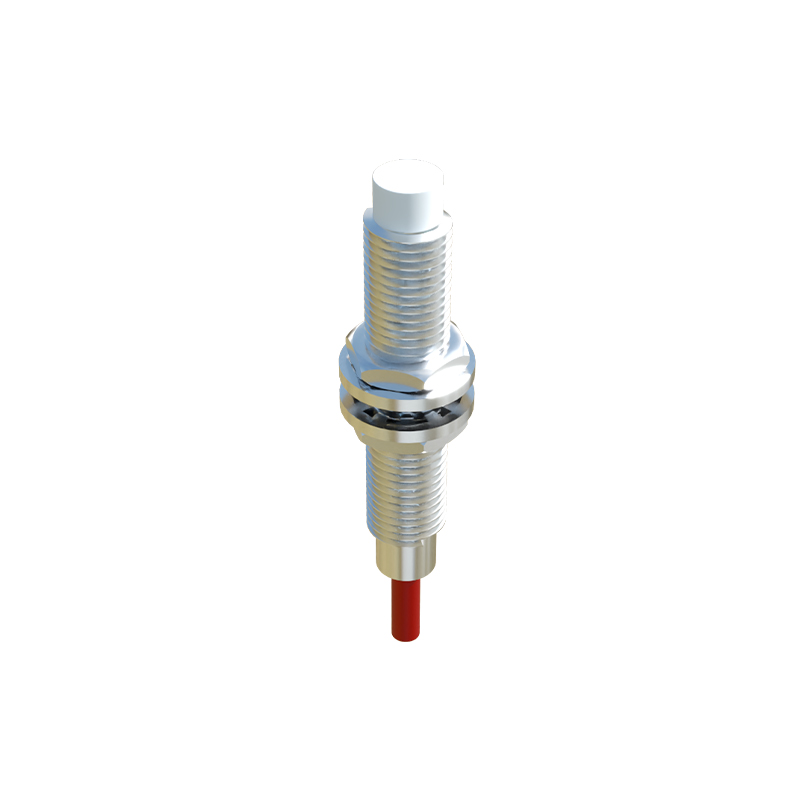
Core Operating Principles and Types
The functionality of a proximity sensor hinges on its underlying technology. Inductive proximity sensors are the workhorses of metal detection. They generate an electromagnetic field and detect eddy current losses induced in a metallic target. Capacitive sensors, on the other hand, can detect both metallic and non-metallic materials—like liquids, plastics, or wood—by sensing changes in capacitance caused by the target object entering an electrostatic field. Ultrasonic sensors emit high-frequency sound waves and measure the time for the echo to return, making them ideal for distance measurement and detecting objects of various materials, even in challenging environments with dust or vapor. Photoelectric sensors utilize a light emitter and receiver, detecting objects that interrupt or reflect the light beam, offering very long sensing ranges. Each type is engineered for specific applications, environmental conditions, and performance requirements.
Key Features and Performance Metrics
Selecting the right proximity sensor demands an understanding of its key specifications. Sensing range, the maximum distance at which the sensor can reliably detect a standard target, is a primary consideration. Repeatability, or the sensor's ability to consistently detect an object at the same distance, is crucial for precision applications. Response time indicates how quickly the sensor can react to a target's presence or absence, a vital factor in high-speed automation. Environmental robustness is another critical feature; modern sensors are rated with Ingress Protection (IP) codes for resistance to dust and water, and many are built to withstand extreme temperatures, mechanical shock, and vibration. Additionally, output types—such as NPN, PNP, analog, or IO-Link digital communication—determine how the sensor integrates with control systems.
Advanced Innovations and Smart Capabilities
The frontier of proximity sensing is defined by intelligence and connectivity. The integration of IO-Link communication protocol transforms standard sensors into smart devices. IO-Link enables bidirectional data exchange, allowing not just signal transmission but also remote parameter configuration, real-time diagnostics, and process data monitoring. Sensors can now communicate their health status, operating temperature, and even signal strength, facilitating predictive maintenance and reducing downtime. Furthermore, advancements in miniaturization have led to ultra-compact sensors that fit into increasingly small spaces in mobile devices and micro-assembly systems. Enhanced algorithms also allow for improved noise immunity and the ability to differentiate between target objects and background interference.
Critical Applications Across Industries
The applications of high-tech proximity sensors are vast and varied. In automotive manufacturing, they ensure precise positioning of robotic arms for welding and part placement, and count gears on production lines. In packaging machinery, they detect the presence of bottles, cans, or boxes to control filling and capping operations. Within the realm of consumer electronics, they enable features like automatic screen turn-off during phone calls. In material handling and logistics, they provide object detection for automated guided vehicles (AGVs) and palletizing robots. Safety is another paramount application, where sensors are used as non-contact interlock devices on machine guards to prevent access to hazardous areas while equipment is running.
Installation Considerations and Best Practices
Proper installation is paramount for optimal sensor performance. A key challenge is sensor mounting, particularly for inductive sensors, where surrounding metals can influence the sensing field and reduce the effective range. Maintaining adequate clearance from adjacent metal structures—known as flush or non-flush mounting guidelines—is essential. Electrical considerations, such as ensuring correct wiring, voltage supply, and protection against voltage spikes or short circuits, are fundamental. For photoelectric and ultrasonic sensors, keeping the lens clean and free from obstructions is necessary. Engineers must also consider the target material, size, and approach angle, as these factors directly impact the sensor's reliability and sensing distance.
The Future Landscape of Proximity Sensing
The future trajectory of proximity sensor technology is intertwined with broader industrial trends. The demand for higher precision, faster response, and greater intelligence will continue to drive innovation. We are moving towards sensors with embedded artificial intelligence (AI) capabilities that can perform edge computing, such as pattern recognition or predictive