Introduction to Proximity Sensing Technology
A proximity sensor is a non-contact device that detects the presence or absence of an object within a specific range. The 20Pro Proximity Sensor represents a significant evolution in this field, integrating advanced components to deliver high precision, reliability, and energy efficiency. At its core, it typically utilizes infrared (IR) light-emitting diodes (LEDs) and photodetectors. The sensor emits an IR beam; when an object comes near, the light reflects back to the detector. The sensor's microcontroller then analyzes the reflected signal to determine the object's presence and approximate distance. This fundamental principle is enhanced in the 20Pro model with improved signal processing algorithms and noise reduction capabilities, making it suitable for demanding industrial and consumer electronic environments where accuracy is paramount.
Core Technical Specifications of the 20Pro Model
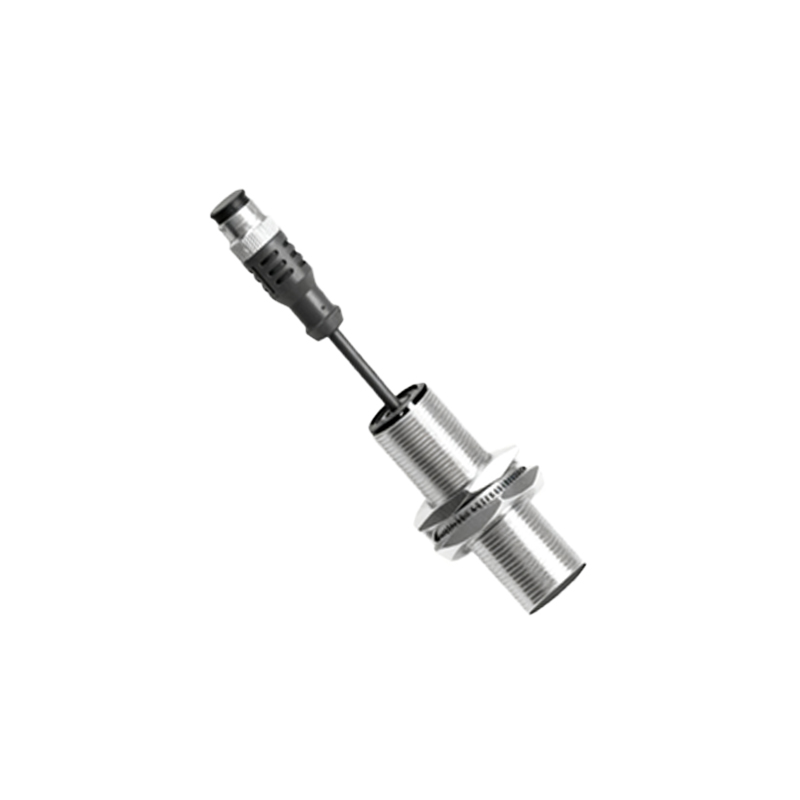
The 20Pro Proximity Sensor distinguishes itself through a set of refined technical parameters. It operates on a low voltage supply, typically between 2.5V and 3.6V, ensuring compatibility with modern microprocessors and promoting energy conservation. Its detection range is configurable, often spanning from a few millimeters up to several centimeters, with a high degree of repeatability. Key specifications include a fast response time, often in the microsecond range, which is critical for real-time applications. Furthermore, it features excellent ambient light rejection, meaning it can reliably operate under various lighting conditions without false triggers. The housing is designed to be compact and robust, often with an IP rating for dust and moisture resistance, facilitating its integration into diverse product designs.
Primary Applications in Consumer Electronics
One of the most ubiquitous applications of the 20Pro Proximity Sensor is in the smartphone and tablet industry. Here, it plays a crucial role in power management and user interface enhancement. When a user holds a phone to their ear during a call, the sensor detects the proximity of the head and automatically turns off the touchscreen display. This prevents accidental touch inputs and conserves battery life. Similarly, in laptops and tablets, the sensor can be used to detect when a user is present, waking the device from sleep mode, or to disable the screen when a protective cover is closed. The miniaturized form factor and low power consumption of the 20Pro make it ideal for these space-constrained and battery-sensitive devices.
Industrial and Automation Use Cases
Beyond consumer gadgets, the 20Pro Proximity Sensor finds extensive use in industrial automation and control systems. On assembly lines, it can detect the passage of components on a conveyor belt, enabling precise counting and positioning. In robotic arms, these sensors provide non-contact object detection for pick-and-place operations, preventing collisions and ensuring operational safety. They are also employed in liquid level detection within tanks, material handling systems, and as safety interlocks on machinery doors. The robustness and reliability of the 20Pro model under harsh conditions—such as exposure to vibrations, temperature variations, and contaminants—make it a preferred choice for engineers designing automated solutions.
Integration and Design Considerations
Successfully integrating a 20Pro Proximity Sensor into a product requires careful design planning. Engineers must consider the sensor's field of view and ensure the IR window on the product casing is made of a material that transmits infrared light effectively, such as polycarbonate with a specific coating. The placement is critical to avoid interference from other internal components or external light sources. Calibration is another vital step, often performed during manufacturing to set the detection threshold for the specific application environment. Furthermore, the sensor's digital output (typically I2C or SPI) must be correctly interfaced with the host microcontroller, requiring proper firmware development to manage the sensor's data and operational states.
Advantages Over Traditional Sensing Methods
The 20Pro Proximity Sensor offers several advantages compared to mechanical switches or older optical sensors. Its non-contact nature eliminates wear and tear, leading to a longer operational lifespan and higher reliability. It provides silent operation, which is essential for consumer devices. The digital output simplifies circuit design and allows for more sophisticated data processing. Its immunity to most environmental factors, when properly installed, ensures consistent performance. From a manufacturing perspective, its surface-mount technology (SMT) compatibility allows for high-speed, automated PCB assembly, reducing production costs and improving consistency.
Future Trends and Developments
The future of proximity sensing, as exemplified by the progression towards models like the 20Pro, points towards greater integration and intelligence. We are seeing a trend of combining proximity sensing with other functionalities, such as ambient light sensing (ALS) in a single package, creating multi-purpose environmental sensors. The development of time-of