Understanding Photoelectric Proximity Sensors
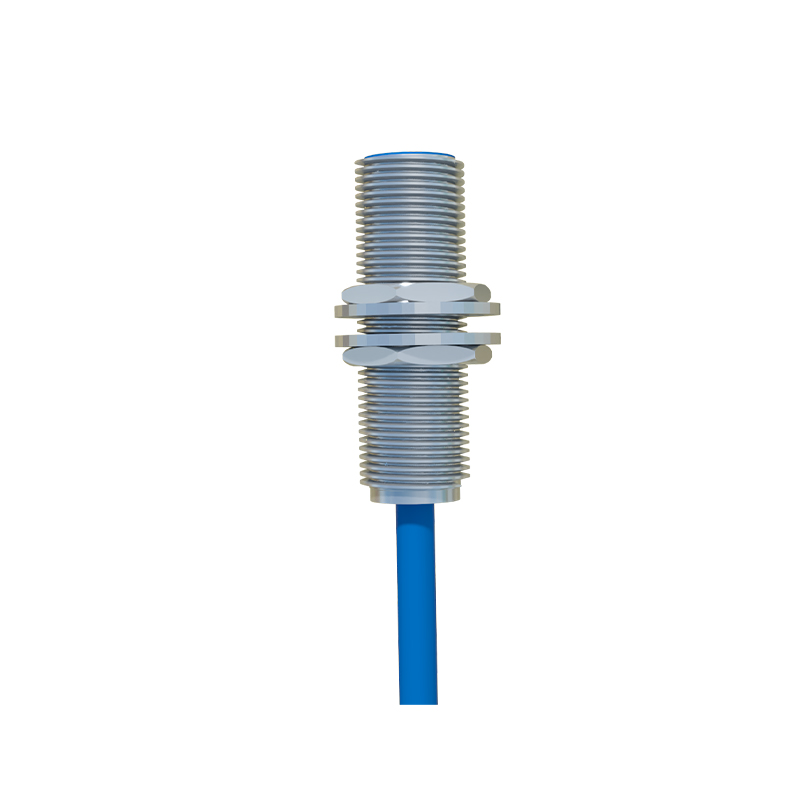
Photoelectric proximity sensors are versatile devices that detect the presence, absence, or distance of an object using a light transmitter and receiver. Unlike mechanical switches, they operate without physical contact, making them highly reliable and durable. The core principle involves emitting a beam of light—often infrared, visible red, or laser—and measuring the change in the received light signal caused by an interrupting object. There are three primary types: through-beam (separate emitter and receiver), retro-reflective (uses a reflector), and diffuse (reflects light off the object itself). Their industrial applications are vast, from packaging lines to safety curtains, prized for their long sensing ranges, fast response times, and precision.
Key Advantages for Potential Home Applications
The inherent benefits of photoelectric sensors translate well to a domestic environment. Their non-contact nature means no wear and tear from physical switches, leading to exceptional longevity. They are immune to most environmental factors like dust or non-reflective surfaces when properly selected, unlike capacitive sensors. Many models offer adjustable sensitivity, allowing fine-tuning for specific tasks. Furthermore, modern sensors are increasingly compact, energy-efficient, and available in low-voltage DC versions (e.g., 5V, 12V, 24V), which are compatible with popular microcontrollers like Arduino or Raspberry Pi. This opens a world of possibilities for the savvy homeowner or DIY enthusiast.
Practical DIY Projects for Home Automation
Integrating a photoelectric sensor into home projects is straightforward with basic electronics knowledge. A classic application is an automatic closet or pantry light. A diffuse sensor mounted inside can detect when a door is opened (by sensing a person's hand or body) and trigger an LED strip, turning it off after a preset delay. For security, a through-beam sensor can create an invisible tripwire across a doorway or hallway, sending an alert to your phone if breached. In the garage, a retro-reflective sensor paired with a reflector can monitor if a car is properly parked, activating a green indicator light. Pet owners can use sensors to log activity at a pet door or trigger a feeder.
Smart Home Integration and Advanced Setups
For a more integrated smart home system, photoelectric sensors can serve as critical input devices. They can be connected to hubs like Home Assistant via compatible relay modules or microcontrollers. For instance, a sensor on a window can detect when it is opened or closed, automating HVAC settings or security modes. In a laundry room, a sensor can detect when a hamper is full, sending a notification. Advanced DIYers can use multiple sensors for presence detection in rooms, providing more reliable occupancy data than traditional PIR motion sensors, especially for stationary individuals. This can control lighting, entertainment systems, and climate control with greater accuracy.
Important Considerations and Limitations
While promising, using industrial-grade components at home requires careful planning. Sensor selection is crucial: consider the sensing range, required power supply, output type (NPN/PNP transistor, analog), and environmental resistance (IP rating). Wiring and electrical safety are paramount; always use appropriate enclosures and fuses, especially when interfacing with mains voltage via relays. Photoelectric sensors can be confused by highly reflective surfaces, transparent objects like glass, or direct sunlight interfering with the beam. They also require periodic lens cleaning. For simple tasks like turning on a faucet, a dedicated, consumer-grade infrared sensor may be more cost-effective and plug-and-play than a DIY industrial sensor setup.
Cost-Benefit Analysis and Final Verdict
The decision hinges on the project's complexity and the user's skill level. For basic, single-purpose automation, commercial smart sensors or kits are often sufficient. However, for custom, scalable, or learning-oriented projects, industrial photoelectric sensors offer unmatched robustness and flexibility. A basic sensor can cost between $15 to $50, requiring additional investment in a power supply and controller. The true value lies in creating highly reliable, tailored solutions not found in off-the-shelf products. In conclusion, photoelectric proximity sensors are absolutely viable for home use, particularly for DIY enthusiasts, makers, and those seeking reliable, professional-grade automation beyond standard smart home offerings. They bridge the gap between industrial reliability and creative home innovation.