Introduction to Sensor Fundamentals
Proximity and light sensors are integral components in the vast ecosystem of modern electronics, serving as the digital "senses" for countless devices. At their core, these sensors are transducers that convert a physical phenomenon—either the presence of an object or the intensity of ambient light—into an electrical signal that a microcontroller or processor can interpret. This conversion enables automated, intelligent responses without physical contact, forming the backbone of features like automatic screen dimming, touchless interfaces, and industrial automation. The underlying technology, while seemingly magical to end-users, is grounded in well-established principles of physics and electrical engineering. Understanding these principles is key to appreciating their widespread application and continued evolution.
The Working Principle of Proximity Sensors
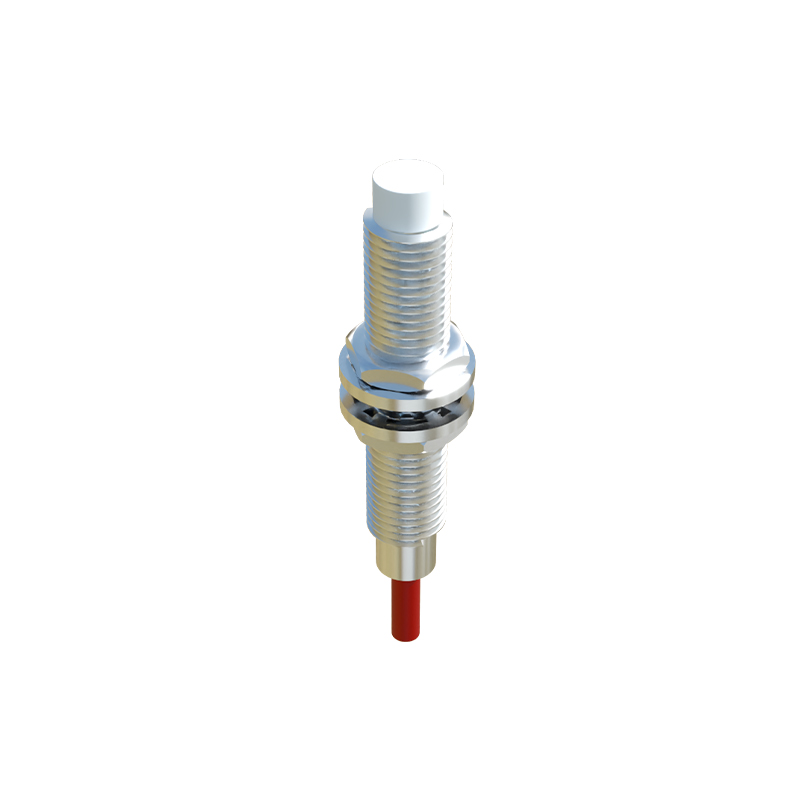
Proximity sensors detect the presence or absence of an object within a specific range without any physical contact. They operate primarily on three principles: inductive, capacitive, and photoelectric. Inductive proximity sensors generate an electromagnetic field and are sensitive only to metallic objects. When a metal target enters this field, it induces eddy currents on the metal's surface, which dampens the oscillation amplitude of the sensor's internal LC circuit. This change is detected and converted into a switching signal. Capacitive sensors, conversely, can detect both metallic and non-metallic materials like plastic, wood, or liquids. They work by generating an electrostatic field. The introduction of any object with a dielectric constant different from air alters the capacitance of the sensor's circuit, triggering an output change.
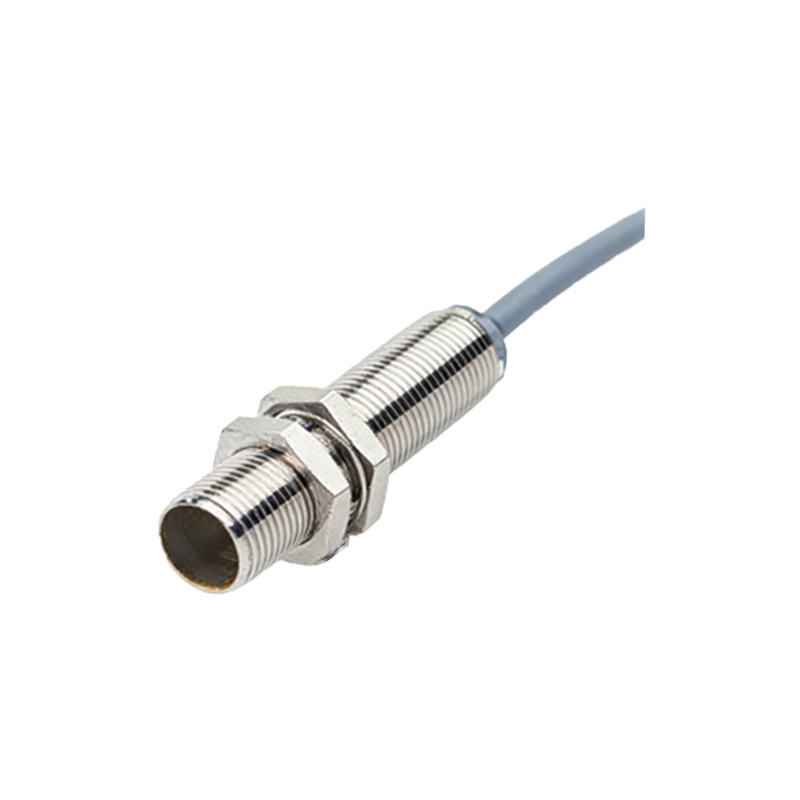
Photoelectric and Infrared Proximity Sensing
A highly common subtype is the photoelectric or infrared (IR) proximity sensor, frequently used in consumer electronics. This system typically consists of an IR LED emitter and a photodiode or phototransistor receiver. The emitter constantly pulses infrared light. If no object is nearby, this light dissipates into the environment. When an object comes close, the infrared light reflects off the object and is detected by the receiver. The sensor's circuitry measures the intensity of the reflected light, which correlates to distance. More sophisticated versions use time-of-flight (ToF) principles, where the sensor precisely measures the time delay between emitting a light pulse and receiving its reflection to calculate distance with high accuracy. This technology is prevalent in smartphones for features like automatic call screen turn-off.
The Mechanism of Ambient Light Sensors
Ambient Light Sensors (ALS) are designed to measure the intensity of visible light in an environment. They typically rely on photodiodes, semiconductor devices that generate a current or change their resistance when exposed to light—a phenomenon known as the photoelectric effect. The incident photons impart energy to electrons in the semiconductor, allowing them to jump into the conduction band and create a flow of current. This generated photocurrent is extremely small and linear with respect to light intensity, requiring precise amplification and analog-to-digital conversion. Modern ALS chips often integrate this signal conditioning circuitry on-board. They are spectrally tuned to match the human eye's response (the photopic curve), ensuring they measure light as a person perceives it, which is crucial for automatic display brightness adjustment.
Integrated Sensor Fusion in Devices
In contemporary devices like smartphones, tablets, and laptops, proximity and light sensors are often combined into a single module or tightly integrated system. This sensor fusion allows for more complex and energy-efficient behaviors. A primary example is a smartphone during a call: the proximity sensor detects when the phone is held near the ear and turns off the display to prevent accidental touch input and save power. Simultaneously, the ambient light sensor continuously monitors environmental brightness. Once the call ends and the phone is moved away, the system uses the light sensor's data to instantly restore the screen to an appropriate brightness level. This seamless interaction is managed by dedicated sensor hubs or the main processor interpreting data from both sensors in real-time.
Key Components and Circuit Design
The effectiveness of these sensors hinges on their electronic components and circuit design. For IR proximity sensors, the choice of IR LED wavelength (commonly around 850nm or 940nm) and the field-of-view of the receiver are critical for range and accuracy. Optical filters are used to block visible light and reduce noise. The driving circuit for the emitter must produce stable, pulsed current to maximize LED lifespan and minimize power consumption. On the detection side, transimpedance amplifiers (TIAs) are essential to convert the photodiode's tiny current into a usable voltage. For ALS, advanced chips may include automatic rejection of flicker from artificial lighting (50/60 Hz) and integrated digital interfaces like I2C for direct communication with a host processor.
Applications Across Industries
The applications for proximity and light