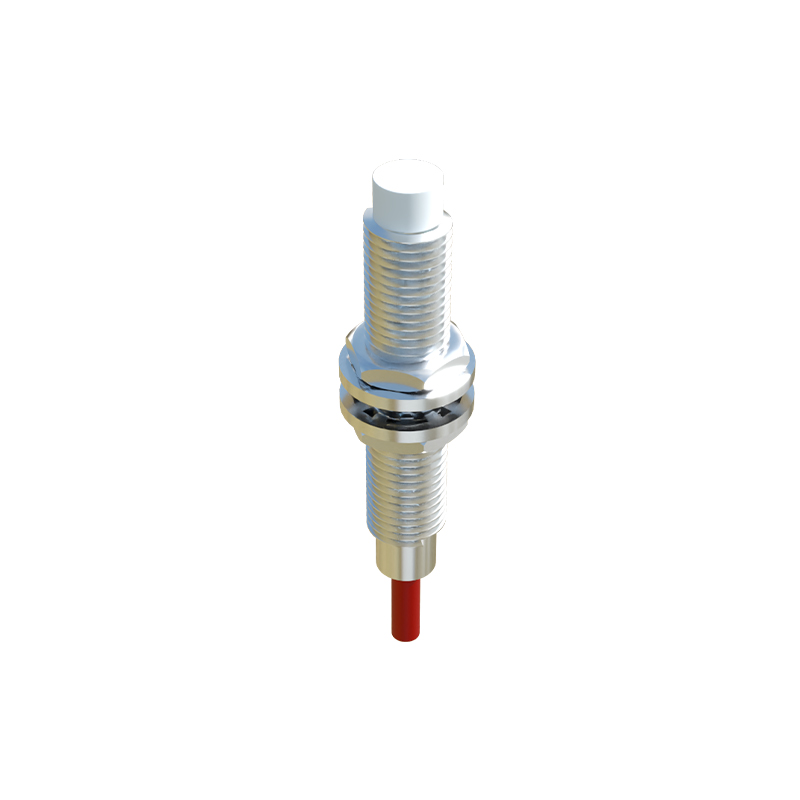
In the realm of modern electronics, a small yet profoundly impactful component operates quietly, often unnoticed by the end-user. This is the skin proximity sensor, a specialized type of proximity detector designed to recognize the presence of human skin. Unlike generic proximity sensors that might react to any nearby object, these devices are finely tuned to distinguish the unique electrical and capacitive properties of human skin, enabling a more intuitive and secure interaction between humans and machines.
The core technology behind most skin proximity sensors is based on capacitive sensing. The human body acts as a dielectric object, holding a certain electrical charge. The sensor creates an electrostatic field. When skin comes into close proximity to this field, it causes a measurable change in capacitance. Advanced sensors go a step further by analyzing the specific capacitive signature or impedance of skin tissue, which differs significantly from materials like plastic, metal, or fabric. This discrimination is crucial for preventing false triggers. Some sophisticated implementations may also use infrared (IR) detection or a combination of sensing methods to improve accuracy and reliability.
The applications of this targeted sensing capability are vast and growing. One of the most ubiquitous uses is in smartphones and tablets. Here, the skin proximity sensor plays a dual role. During a call, it detects when the device is held close to the ear and automatically turns off the touchscreen display. This prevents accidental cheek-touch inputs and saves battery power. Furthermore, it is a critical component for security and functionality. It ensures that features like fingerprint scanning or certain secure payments are only initiated by genuine skin contact, not a gloved finger or a stylus.
Beyond personal devices, skin proximity sensors enhance safety in consumer electronics. In electric shavers and hair trimmers, they can ensure the device only operates when in direct contact with skin, adding a layer of protection. The automotive industry integrates these sensors into steering wheels or driver monitoring systems to detect if the driver's hands are present, contributing to safety features and driver-assist technologies.
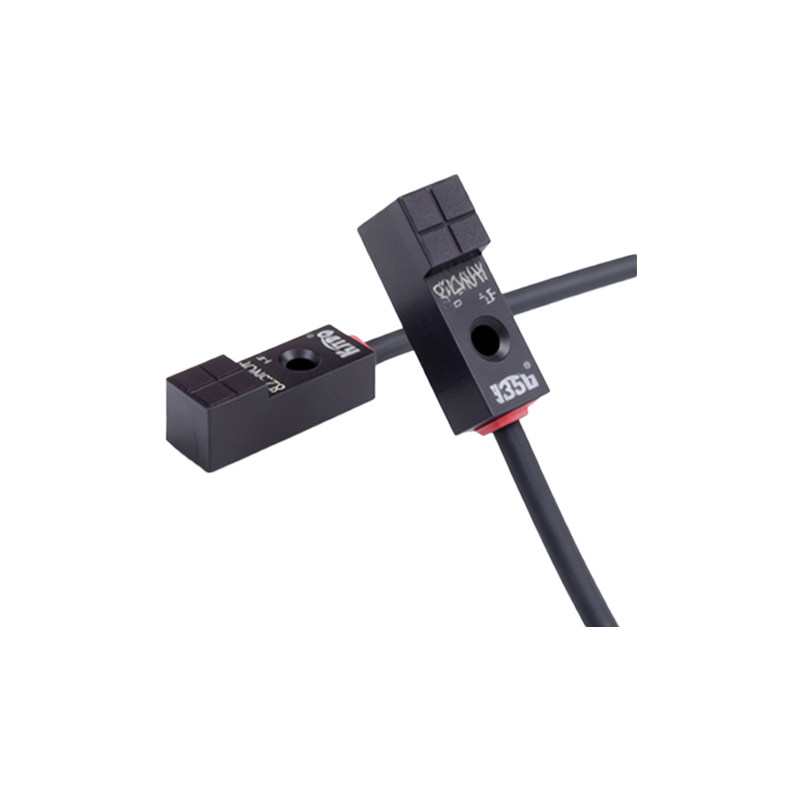
The healthcare and wellness sector presents another frontier. Wearable devices like smartwatches and fitness bands use skin proximity sensors to confirm they are being worn. This not only improves the accuracy of heart rate and blood oxygen readings by ensuring proper skin contact but also enables power-saving modes when the device is taken off. In clinical settings, specialized sensors can be part of monitoring systems that require verification of proper electrode-skin contact.
Looking ahead, the future of skin proximity sensing is intertwined with advancements in miniaturization, power efficiency, and intelligence. The development of flexible and stretchable electronics will allow sensors to be integrated into clothing, smart fabrics, and even epidermal electronic patches. Machine learning algorithms will enable sensors to not only detect skin but also potentially identify different users based on subtle capacitive signatures or monitor physiological parameters through prolonged contact.

However, challenges remain. Environmental factors like moisture (sweat or water) can affect capacitive readings. Ensuring consistent performance across diverse skin types, tones, and conditions is an ongoing area of research. Furthermore, as these sensors often handle personal data related to presence and touch, robust data security and privacy-by-design principles are paramount in their development.
In conclusion, the skin proximity sensor is a quintessential example of how a focused technological solution can enable smoother, safer, and more intelligent human-device interaction. By reliably distinguishing human touch from all other inputs, it forms a fundamental bridge in our digital interfaces. As technology continues to evolve towards more natural and immersive experiences, the humble skin proximity sensor will undoubtedly remain a key enabler, quietly ensuring our gadgets understand not just our commands, but our very presence.