Introduction to Fiber Optic Proximity Sensing
Fiber optic proximity sensors represent a cornerstone technology in modern industrial automation, offering unparalleled performance in challenging environments. Unlike traditional electromechanical or standard photoelectric sensors, these devices utilize flexible optical fibers to transmit light from a remote amplifier to a sensing head. This fundamental design separation grants them exceptional advantages, including immunity to electromagnetic interference (EMI), operation in extreme temperatures, and the ability to function in small or hazardous spaces where electronics cannot be placed. They excel at detecting minute objects, precise positioning, and working in areas with high vibration or explosive atmospheres. The core principle involves modulating a light beam—either by reflection, transmission, or beam break—and analyzing the returned signal to determine an object's presence or absence within a defined sensing range.
Through-Beam Fiber Optic Sensors
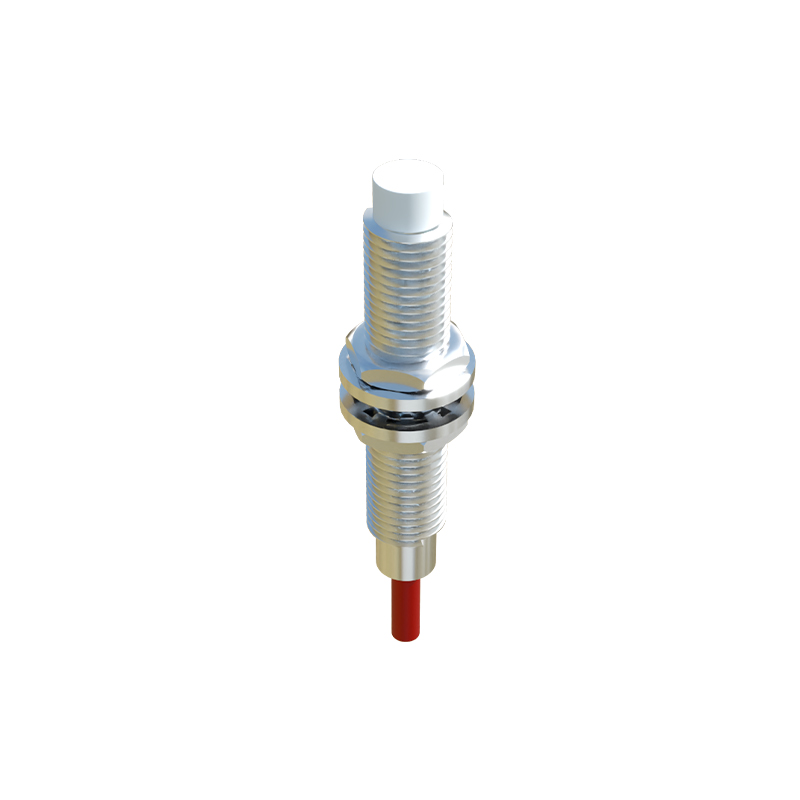
Through-beam, or opposed-mode, sensors are the most robust and offer the longest sensing distances among fiber optic types. This configuration consists of two separate units: a transmitter fiber and a receiver fiber, facing each other. The transmitter emits a continuous light beam directly to the receiver. An object is detected when it interrupts this beam path. This method provides a very strong signal-to-noise ratio, high positional accuracy, and reliable detection of transparent or glossy objects that might challenge other sensing modes. They are ideal for precise counting, web break detection, and part registration on high-speed assembly lines. Their primary limitation is the need for precise alignment and mounting of two separate components, which can be more complex in space-constrained setups.
Diffuse Reflective Fiber Optic Sensors
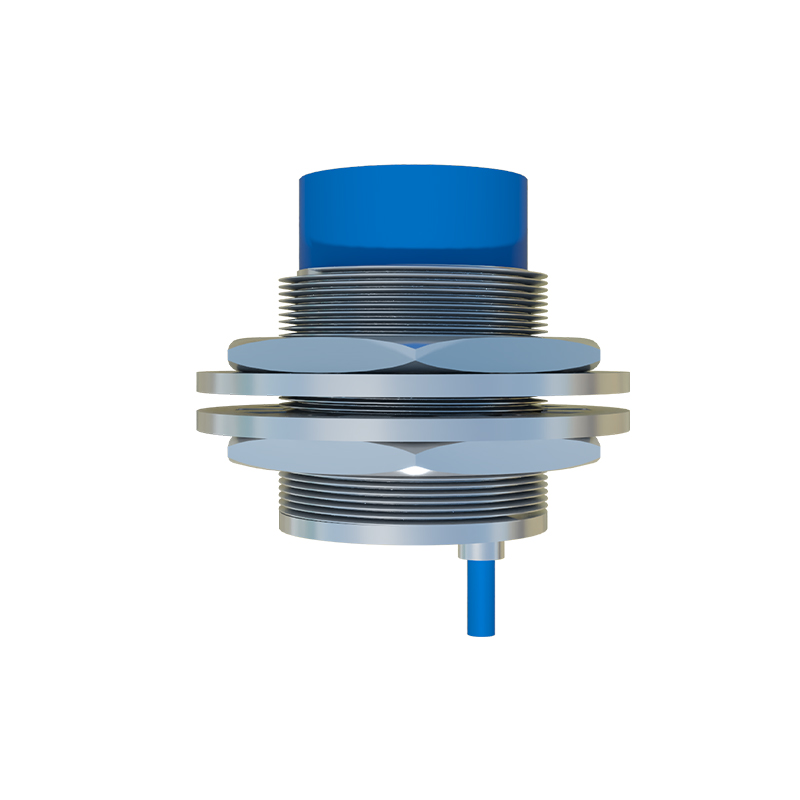
Diffuse reflective sensors, often called proximity-mode sensors, combine the transmitter and receiver fibers into a single sensing head. The device emits light, and the target object reflects a portion of this light back to the receiver fiber. Detection is based on the intensity of this reflected light. This self-contained, one-sided mounting offers significant installation flexibility, making it perfect for detecting objects on conveyors, monitoring fill levels, or verifying part presence in tight cavities. However, performance is highly dependent on the color, reflectivity, and surface texture of the target. Dark, matte, or absorbent materials significantly reduce the effective sensing range. Advanced models with background suppression technology help mitigate this by focusing on a specific sensing distance, ignoring objects beyond it.
Retroreflective Fiber Optic Sensors
Retroreflective sensors use a single sensing head paired with a dedicated reflector, such as a corner-cube prism or reflective tape. The transmitter light is aimed at the reflector, which sends the beam directly back along the same path to the receiver. An object is detected when it breaks this return beam. This mode offers a good compromise between through-beam strength and diffuse reflective convenience, providing longer ranges than diffuse mode and easier alignment than through-beam. It is widely used in packaging machinery, door position monitoring, and material handling systems. A key consideration is that highly reflective objects passing between the sensor and reflector can sometimes fail to be detected, as they may reflect enough light to mimic the reflector's signal, a phenomenon known as "shiny object miss."
Specialized Fiber Optic Sensor Variants
Beyond the three primary types, specialized fiber optic sensors cater to niche applications. Color mark sensors are high-precision diffuse sensors tuned to detect specific color contrasts or luminescence, essential in printing and labeling. Fiber optic amplifiers with analog output provide continuous distance or intensity information rather than a simple on/off switch, enabling precise edge guidance or thickness monitoring. High-temperature sensors employ quartz or sapphire fibers and specialized coatings to withstand environments exceeding 500°C. Furthermore, the physical form of the sensing fiber itself varies, including straight probes, right-angle heads, coaxial designs for minute target detection, and side-look configurations for confined spaces, each engineered to solve specific spatial and application challenges.
Key Selection Criteria and Application Considerations
Selecting the correct fiber optic sensor requires a systematic analysis of the application parameters. First, define the sensing mode based on object characteristics, required range, and mounting constraints. Next, specify the fiber type and sensing head geometry to physically access the detection point. The amplifier's functionality is critical: response speed (for high-speed counting), adjustable sensitivity, timers, logic functions (AND/OR), and output type (PNP/NPN relay) must match the control system's needs. Environmental factors like ambient light, temperature extremes, chemical exposure, and mechanical stress dictate the required ingress protection (IP) rating and material construction. Proper installation, focusing on secure fiber bending radii to prevent light loss and stable mounting to avoid misalignment, is paramount for long-term, reliable operation.