Introduction to Proximity Sensor Evolution
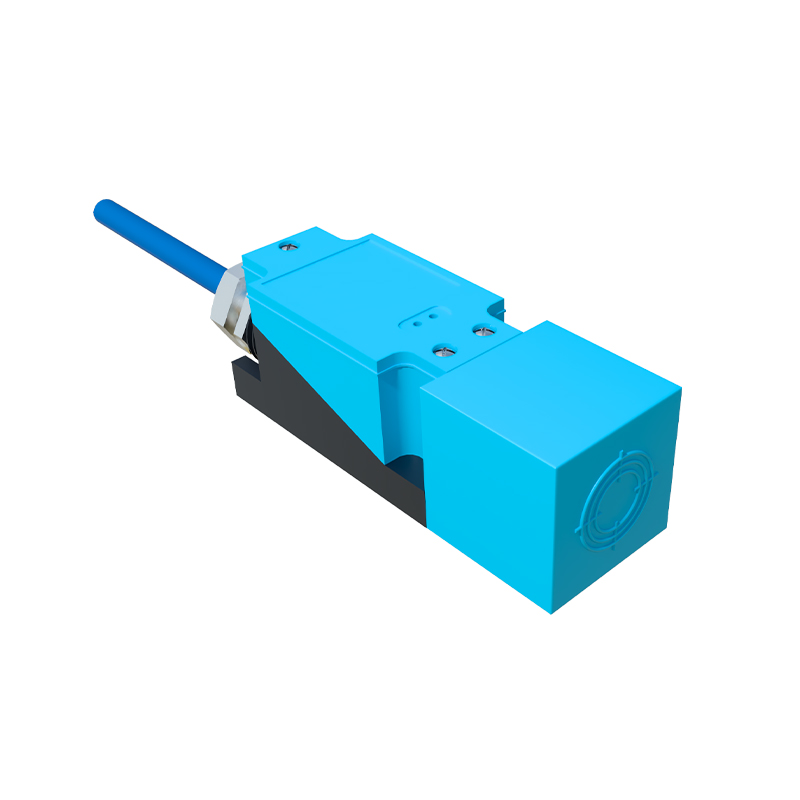
Proximity sensors, fundamental components in automation and safety systems, are undergoing a transformative phase. Traditionally reliant on technologies like inductive, capacitive, ultrasonic, and photoelectric principles, these devices detect the presence or absence of objects without physical contact. The future, however, points toward a convergence of enhanced intelligence, miniaturization, and multifunctionality. Driven by the demands of Industry 4.0, the Internet of Things (IoT), and advanced robotics, next-generation proximity sensors are set to become more adaptive, energy-efficient, and integrated into complex networked systems. This evolution is not merely incremental; it represents a paradigm shift in how machines perceive and interact with their environment.
Integration with Artificial Intelligence and Machine Learning
A dominant trend is the embedding of Artificial Intelligence (AI) and Machine Learning (ML) algorithms directly into sensor nodes or at the edge-computing level. Future proximity sensors will move beyond simple binary detection. They will be capable of classifying objects, predicting movement patterns, and even identifying material properties. For instance, an AI-enhanced capacitive sensor could distinguish between a human hand and a robotic tool, enabling more nuanced safety protocols in collaborative robot (cobot) workspaces. This intelligence allows for predictive maintenance, where the sensor monitors its own health and the operational context, alerting systems to potential failures before they occur, thereby minimizing downtime.
Advancements in Sensing Materials and Miniaturization
Material science breakthroughs are paving the way for novel sensing capabilities. The development of flexible, printed, and organic electronics will lead to proximity sensors that can be integrated into curved surfaces, wearable devices, or soft robotics. Furthermore, the use of advanced nanomaterials like graphene could result in sensors with unprecedented sensitivity and speed, capable of detecting minute changes in electromagnetic fields or pressure. Concurrently, miniaturization efforts, leveraging Micro-Electro-Mechanical Systems (MEMS) technology, will produce sensors that are virtually invisible, allowing for their deployment in space-constrained applications like medical implants, micro-drones, and consumer electronics without compromising performance.
Enhanced Connectivity and IoT Synergy
The future proximity sensor is inherently connected. With integrated low-power wireless communication protocols such as Bluetooth Low Energy (BLE), Zigbee, or 5G-enabled modules, these sensors will seamlessly feed data into cloud platforms or local networks. This connectivity transforms isolated sensors into nodes within a vast sensory network. In a smart factory, for example, a network of proximity sensors can provide real-time data on material flow, machine occupancy, and personnel location, enabling dynamic production scheduling and enhanced logistical efficiency. This synergy with the Industrial Internet of Things (IIoT) is crucial for creating responsive, data-driven operational environments.
Focus on Energy Harvesting and Sustainability
As sensor networks grow denser, power management becomes critical. The next generation will increasingly incorporate energy-harvesting techniques to achieve near-perpetual operation. Proximity sensors may draw power from ambient sources like light, vibration, thermal gradients, or even the radio frequency (RF) energy they use for sensing. This self-sufficiency eliminates the need for battery replacements in hard-to-reach locations, reduces maintenance costs, and aligns with global sustainability goals. Designing sensors with ultra-low-power circuits and sleep/wake functionalities will further extend operational lifespans, making large-scale, autonomous sensor networks economically and environmentally viable.
Application Expansion into New Frontiers
The evolving capabilities of proximity sensors will unlock applications beyond traditional industrial automation. In autonomous vehicles, advanced LiDAR and millimeter-wave radar systems (forms of proximity sensing) will be fused with AI for robust object detection and avoidance. In healthcare, miniaturized sensors will enable precise, non-invasive monitoring of vital signs or assist in surgical robotics. Smart infrastructure will employ them for occupancy-based lighting and climate control, while augmented reality (AR) systems will use them for precise gesture and spatial recognition. The boundary between a simple proximity detector and a sophisticated environmental perception unit will continue to blur.
Challenges and Standardization Needs
Despite the promising trajectory, several challenges persist. Ensuring cybersecurity in wirelessly connected sensor networks is paramount to prevent data breaches or system manipulation. The increased complexity also raises concerns about reliability and long-term stability in harsh environments. Furthermore, the lack of universal communication and data format standards could hinder interoperability between devices from different manufacturers. The industry must collaborate on developing robust security frameworks, rigorous testing protocols, and open standards to foster a cohesive and secure ecosystem for advanced proximity sensing technologies.
Conclusion: A Sensory-Enabled Future
The future of proximity sensors is intrinsically linked to the broader digital transformation. They are evolving from simple switches into intelligent, connected, and sustainable perception points.