Understanding Proximity Switch Technology
Proximity switches, often referred to as proximity sensors, are widely used in industrial automation for detecting the presence or absence of objects without physical contact. These devices operate based on various principles, including inductive, capacitive, ultrasonic, and magnetic methods. Among these, inductive proximity switches are the most common in manufacturing environments, particularly for detecting metallic objects. However, a common misconception is that all proximity switches rely on magnetic field induction. In reality, while some types do utilize magnetic fields, others function through entirely different mechanisms. This article explores the relationship between proximity switches and magnetic field sensing, clarifying the technical distinctions and applications.
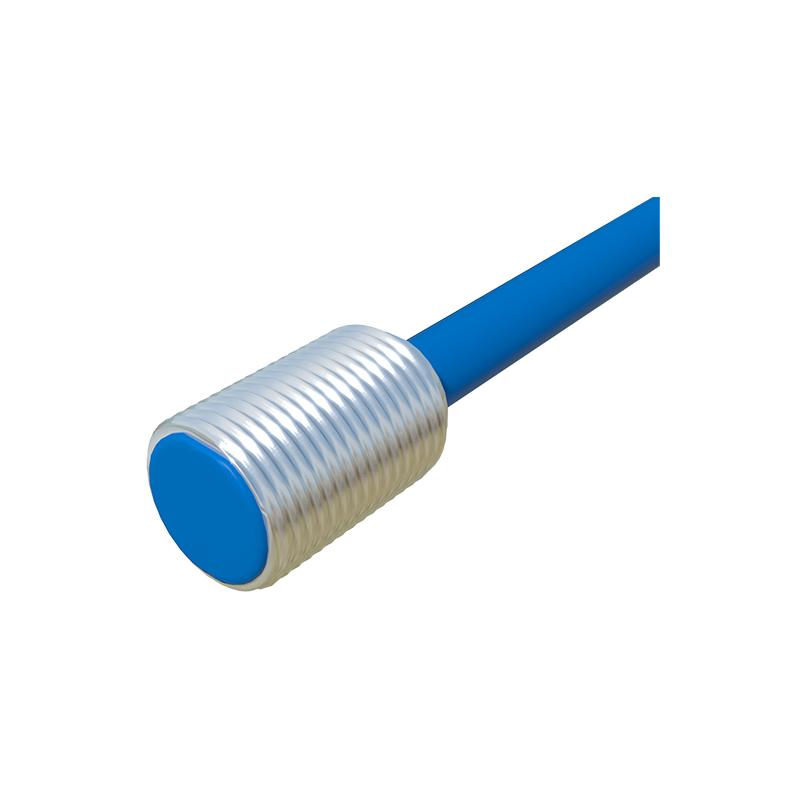
Inductive Proximity Switches and Electromagnetic Fields
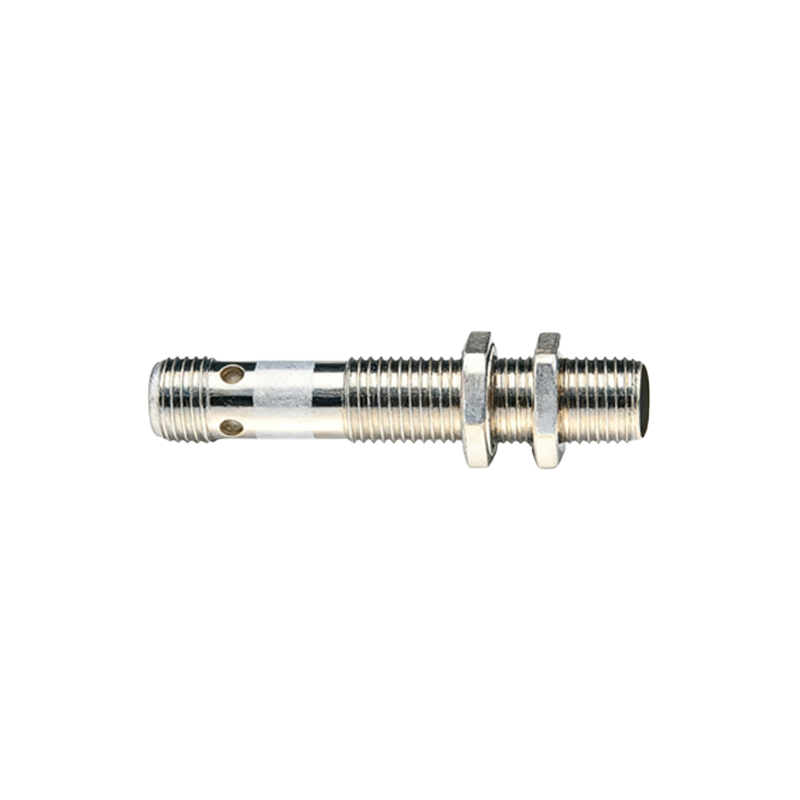
Inductive proximity switches are frequently associated with magnetic fields due to their operating principle. These sensors generate an oscillating electromagnetic field using a coil and an oscillator circuit. When a metallic object enters this field, eddy currents are induced in the object, causing a change in the oscillation amplitude. This change is detected by the sensor's circuitry, triggering an output signal. Importantly, the electromagnetic field involved is not purely magnetic; it encompasses both electric and magnetic components. Thus, inductive sensors are more accurately described as electromagnetic field sensors rather than solely magnetic field sensors. They are highly effective for ferrous and non-ferrous metals but do not respond to non-metallic materials.
Magnetic Proximity Switches: True Magnetic Field Sensors
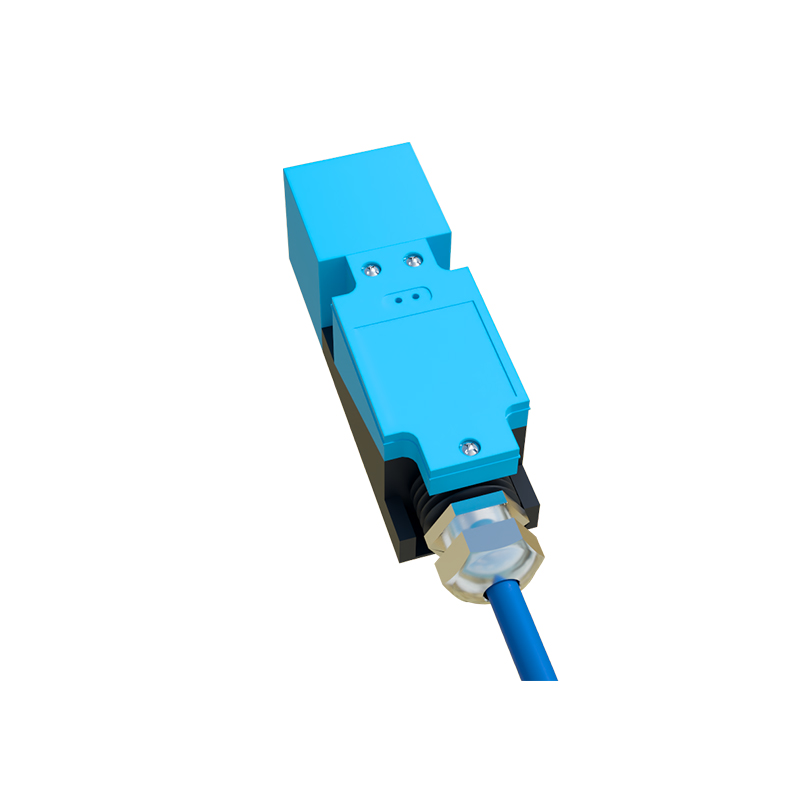
In contrast, magnetic proximity switches, such as reed switches or Hall effect sensors, directly rely on magnetic fields for operation. Reed switches consist of two ferromagnetic reeds sealed in a glass tube; when exposed to a magnetic field, the reeds attract each other, closing an electrical circuit. Hall effect sensors detect changes in magnetic field strength and convert them into voltage signals. These types are explicitly designed for magnetic field sensing and are commonly used in applications involving magnets, such as position detection in cylinders or speed sensing in rotating machinery. They are distinct from inductive sensors, as they respond specifically to magnetic sources rather than metallic objects.
Capacitive and Ultrasonic Proximity Switches
To fully understand proximity switch diversity, it is essential to consider non-magnetic types. Capacitive proximity switches detect objects by measuring changes in capacitance caused by the presence of any material, including liquids, plastics, or metals. They generate an electrostatic field and are insensitive to magnetic influences. Ultrasonic proximity switches use sound waves to measure distance and detect objects, operating independently of magnetic or electromagnetic fields. These sensors are ideal for applications where magnetic interference is a concern or where non-metallic materials must be sensed.
Applications and Selection Criteria
Choosing the right proximity switch depends on the specific application requirements. Inductive sensors are preferred in metal detection tasks, such as conveyor systems or machine tools, due to their durability and fast response. Magnetic sensors excel in environments with strong magnetic sources, like automotive or packaging machinery. Capacitive and ultrasonic sensors are suitable for food processing, chemical industries, or material handling where diverse materials are present. Engineers must consider factors like sensing range, material composition, environmental conditions, and potential interference to ensure optimal performance.
Conclusion: Clarifying the Magnetic Field Connection
In summary, not all proximity switches are magnetic field sensors. Inductive proximity switches utilize electromagnetic fields, which include magnetic components, but their primary function is based on eddy current induction in metals. True magnetic field sensors, such as reed switches and Hall effect sensors, specifically detect magnetic fields. Other types, like capacitive and ultrasonic sensors, operate without any reliance on magnetism. Understanding these distinctions is crucial for proper sensor selection and implementation in industrial settings, enhancing efficiency and reliability in automation processes.