Introduction to Proximity Sensor Pricing
The cost of proximity sensors is a common and critical consideration for engineers and procurement specialists across industries like manufacturing, automotive, and automation. There is no single price point, as the final cost is influenced by a complex interplay of technology, performance, and market factors. Prices can range from under $10 for basic, high-volume inductive sensors to several hundred dollars for specialized, high-performance models. Understanding the variables that drive these costs is essential for making informed budgetary and specification decisions that balance performance needs with project economics.
Core Technology and Type: The Primary Cost Driver
The fundamental sensing technology is the most significant factor determining price. Inductive sensors, which detect metallic objects, are generally the most cost-effective, with simple barrel-style models starting around $10-$30 USD. Capacitive sensors, capable of detecting both metallic and non-metallic materials, typically carry a 20-40% premium over comparable inductive types due to their more complex circuitry. Ultrasonic sensors, offering longer ranges and material versatility, often range from $50 to $200. The most expensive category is often photoelectric sensors, where advanced variants like background suppression or true color recognition models can cost from $100 to over $500, depending on their sophistication and light source (laser vs. LED).
Performance Specifications and Their Impact
Within each technology type, performance parameters directly correlate with cost. Sensing range is a key factor; a standard 5mm inductive sensor is inexpensive, while one with a 30mm range will cost significantly more. The required switching frequency (speed), repeat accuracy, and environmental ratings (IP67, IP69K for washdown, or NEMA ratings) all add to the component and manufacturing cost. Sensors designed for extreme temperatures, high pressure, or corrosive environments use specialized housings and seals, increasing the price. Similarly, analog output sensors or those with IO-Link, PROFINET, or EtherNet/IP communication capabilities command a higher price than simple digital (PNP/NPN) output devices.
Form Factor, Housing, and Connection Style
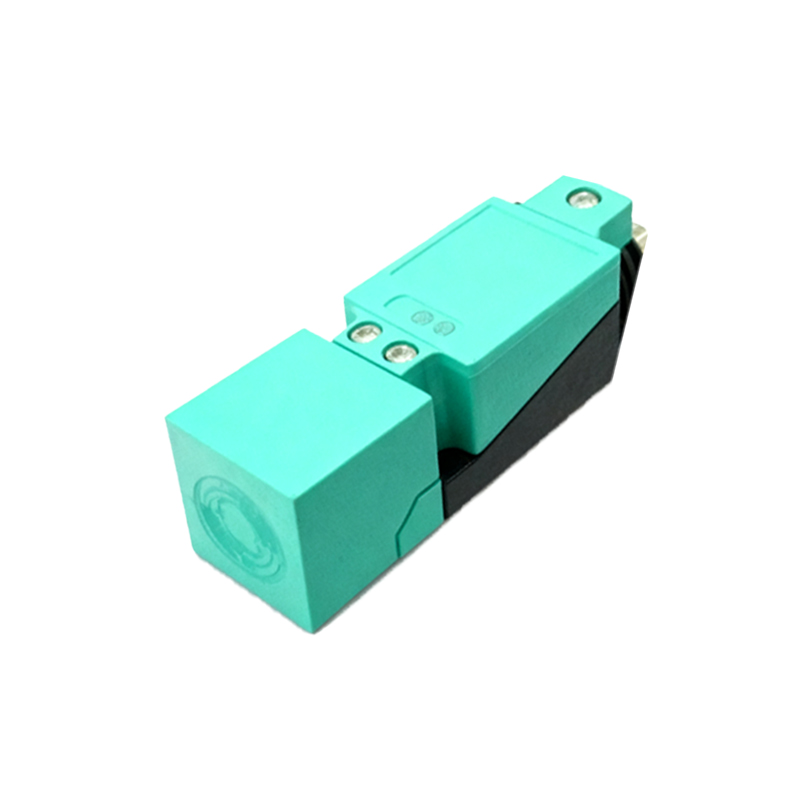
The physical design influences cost. Standard cylindrical (barrel) M8, M12, or M18 housings are typically the most economical. Rectangular or slot-style housings, or sensors with built-in amplifiers, are more expensive. The connection method also matters; sensors with a pre-wired cable are often cheaper than those requiring a separate connector, though the total installed cost must be considered. Materials matter too; stainless steel housings for food and beverage or chemical applications are pricier than nickel-plated brass or PBT plastic housings.
Brand Reputation and Supply Chain Considerations
Established global brands like Siemens, Omron, Schneider Electric, Pepperl+Fuchs, and Banner Engineering often have higher list prices, reflecting their R&D investment, extensive testing, global warranty, and support networks. However, they may offer volume discounts. Conversely, many competitive manufacturers and OEM suppliers offer functionally similar sensors at lower price points, though with potential trade-offs in certification completeness, longevity, or availability of technical support. Supply chain stability and lead times can also affect spot pricing, especially for specialized models.
Order Quantity and Purchasing Channels
Unit price is highly sensitive to order volume. Purchasing a single sensor from a distributor's catalog will incur the highest per-unit cost. Volume OEM contracts can reduce prices by 30-50% or more. The purchasing channel is equally important. Buying directly from a manufacturer's representative, through an authorized distributor, or from an online industrial marketplace can yield different prices for the same part number. Consider total cost of ownership, including availability, shipping, and minimum order quantities.
Conclusion: A Strategic Approach to Budgeting
Determining "how much" a proximity sensor costs requires a strategic analysis. Engineers must first define the precise technical requirement: technology type, range, output, and housing. Then, evaluate the necessity for brand-specific features versus generic functionality. Finally, factor in the procurement strategy—volume and channel. A robust sensor specified correctly may have a higher initial cost but prevent expensive downtime or rework. Always request formal quotes from multiple suppliers with your exact specifications and projected annual usage to obtain accurate, comparable pricing for your specific application.