Introduction to Proximity Sensors for Personnel Safety
In industrial settings, ensuring the safety of personnel is a critical priority. Proximity sensors play a vital role in preventing human access to hazardous areas, such as machinery zones, robotic cells, or high-voltage equipment. These sensors detect the presence or approach of individuals without physical contact, triggering safety measures like alarms, machine shutdowns, or access barriers. By integrating proximity sensors into safety systems, industries can reduce accidents and comply with safety regulations like OSHA standards or ISO 13849. This article explores the types, applications, and benefits of proximity sensors designed for personnel safety, focusing on their functionality in diverse industrial environments.
Types of Proximity Sensors Used for Personnel Safety
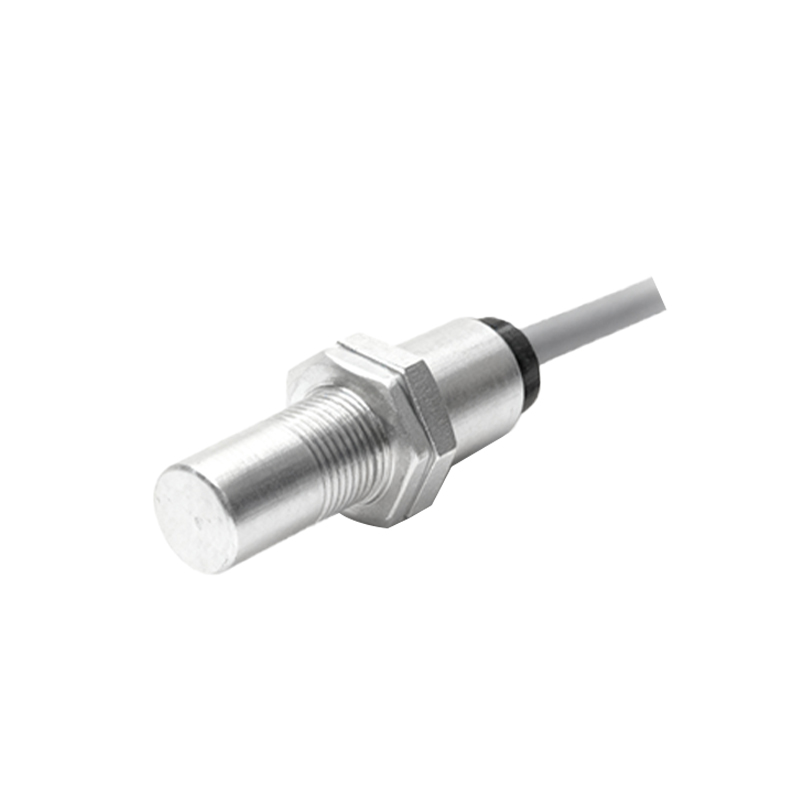
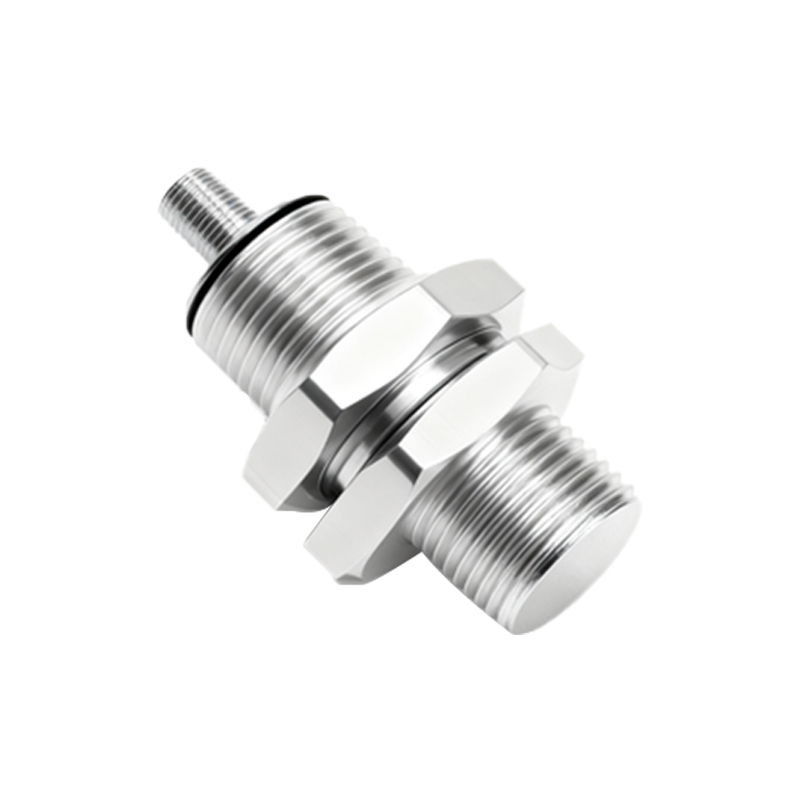
Several types of proximity sensors are employed to prevent human approach in industrial contexts. Capacitive sensors detect changes in capacitance caused by the presence of a person, making them suitable for non-metallic objects and liquid detection. Inductive sensors, on the other hand, sense metallic objects and are often used in machinery guarding. Ultrasonic sensors emit sound waves to measure distance and can cover larger areas, ideal for monitoring entry points. Photoelectric sensors use light beams to detect interruptions, providing precise detection in conveyor systems or automated lines. Additionally, safety-rated laser scanners create protective fields around dangerous zones, offering flexible and reliable detection. Each type has specific advantages, and selection depends on factors like range, environment, and required sensitivity.
Key Applications in Industrial Safety Systems
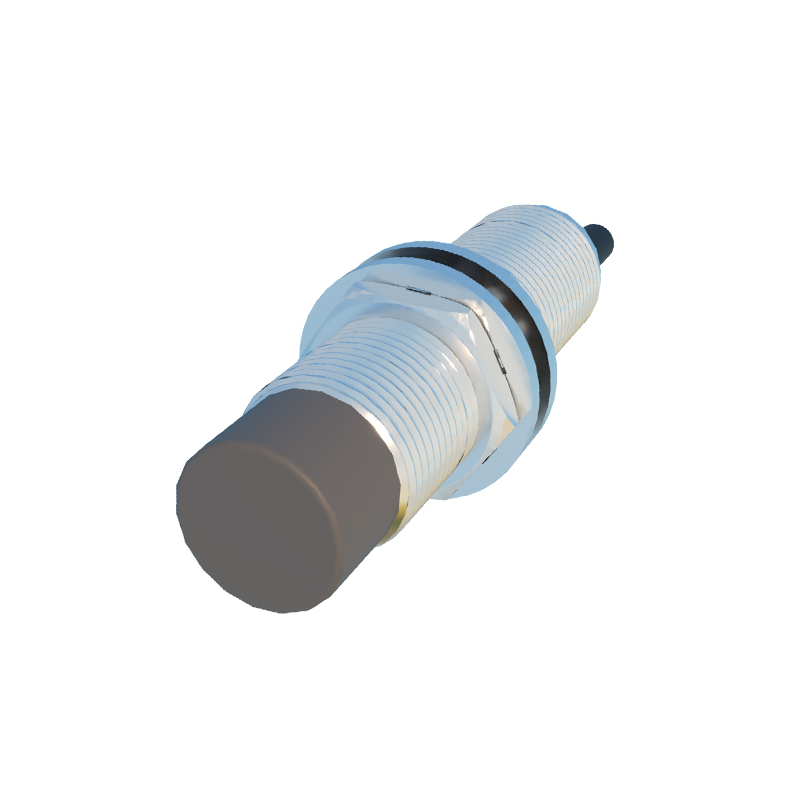
Proximity sensors are widely applied in various industrial scenarios to enhance personnel safety. In manufacturing plants, they are installed around robotic arms to halt operations when a worker enters a restricted zone. For material handling equipment, such as cranes or forklifts, sensors prevent collisions with pedestrians in shared spaces. In the energy sector, proximity devices monitor access to electrical panels or transformers, reducing electrocution risks. They also play a role in automated warehouses, where sensors ensure safe distances between humans and moving machinery. By integrating these sensors with safety controllers and emergency stop systems, industries can create layered protection, minimizing human error and equipment-related incidents.
Benefits of Using Proximity Sensors for Safety
Implementing proximity sensors for personnel safety offers numerous benefits. Firstly, they provide real-time detection, enabling immediate response to potential hazards. This reduces downtime caused by accidents and enhances overall productivity. Secondly, these sensors are non-contact, meaning they don't require physical interaction, which prolongs their lifespan and reduces maintenance needs. Thirdly, they support regulatory compliance, helping companies avoid fines and legal issues. Additionally, modern sensors are adaptable to different environments, with options for harsh conditions like dust, moisture, or extreme temperatures. By investing in reliable proximity sensing technology, industries can foster a safer workplace culture and protect valuable human resources.
Considerations for Selecting and Installing Sensors
Choosing the right proximity sensor for personnel safety involves several considerations. The detection range must align with the area to be monitored—short-range sensors suit confined spaces, while long-range options are better for open zones. Environmental factors, such as temperature fluctuations or electromagnetic interference, can affect performance, so selecting sensors with appropriate IP ratings and shielding is crucial. Installation placement is also key; sensors should be positioned to avoid blind spots and ensure consistent coverage. Regular testing and calibration are necessary to maintain accuracy, and integration with broader safety networks, like PLCs or SCADA systems, enhances functionality. Consulting safety standards and manufacturer guidelines ensures optimal deployment for maximum protection.
Future Trends in Proximity Sensing Technology
The future of proximity sensors for personnel safety is evolving with advancements in technology. Smart sensors with IoT connectivity are becoming more common, allowing for remote monitoring and data analytics to predict hazards. Artificial intelligence can improve detection accuracy by distinguishing between humans and objects, reducing false alarms. Miniaturization of sensors enables more discreet installations without compromising safety. Additionally, the integration of wireless systems simplifies deployment in complex industrial layouts. As industries move towards Industry 4.0, these innovations will make safety systems more efficient and proactive, further reducing risks and enhancing operational resilience.