Introduction to Proximity Sensors in Modern Industry
Proximity sensors are pivotal components in industrial automation, enabling non-contact detection of objects within a specified range. These devices are integral to machinery safety, precision control, and operational efficiency across sectors like manufacturing, automotive, and robotics. By utilizing technologies such as inductive, capacitive, and photoelectric sensing, proximity sensors facilitate seamless automation processes, reducing manual intervention and minimizing errors. Their reliability directly impacts production uptime and quality, making them indispensable in today's fast-paced industrial environments. As industries evolve toward smart factories and IoT integration, the role of proximity sensors expands, underscoring their critical importance in achieving advanced automation goals.
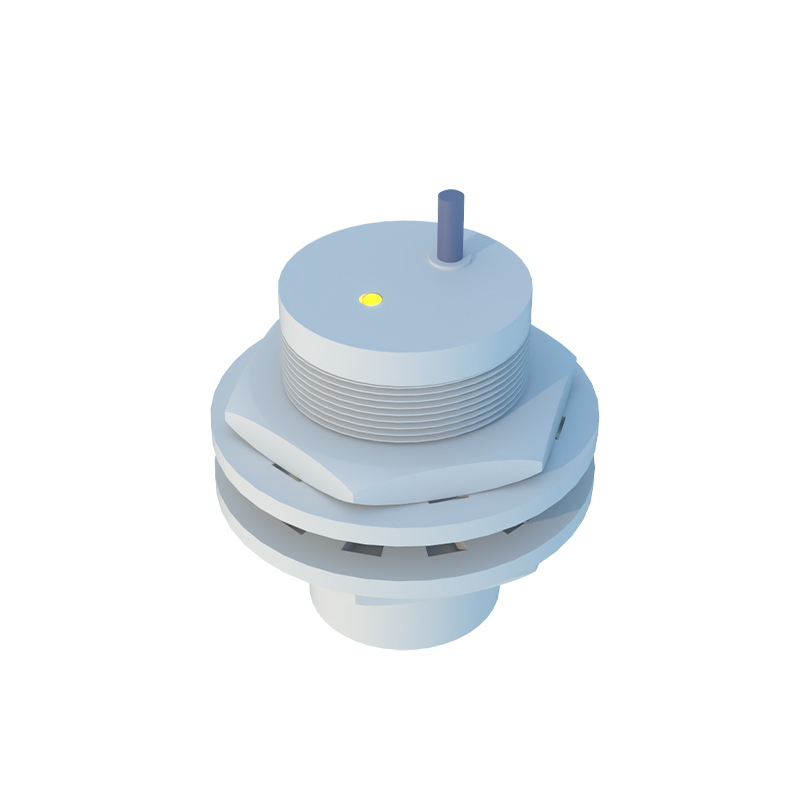
Brand Reputation and Quality Assurance
The brand of a proximity sensor often serves as a benchmark for quality and performance. Established brands invest heavily in research and development, ensuring their products meet stringent industry standards for accuracy, durability, and environmental resilience. For instance, brands like Siemens, Omron, and Pepperl+Fuchs are renowned for their rigorous testing protocols, which include assessments for temperature tolerance, shock resistance, and electromagnetic compatibility. This commitment to quality translates into longer lifespans and fewer failures in demanding applications, such as high-speed assembly lines or harsh outdoor settings. Engineers and procurement specialists prioritize reputable brands to mitigate risks of downtime, maintenance costs, and safety incidents, thereby safeguarding overall operational integrity.
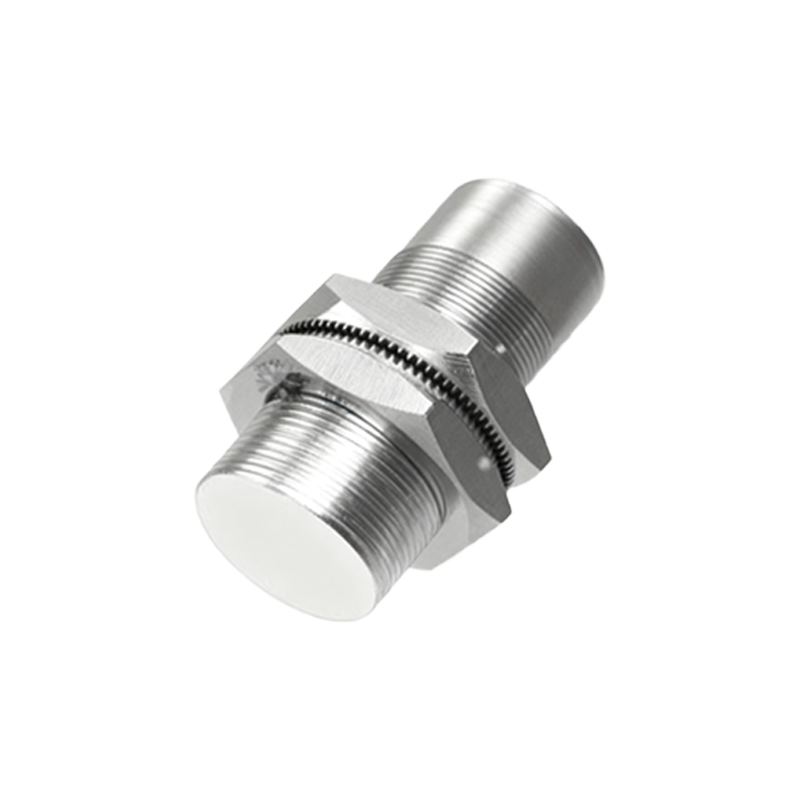
Innovation and Technological Advancements
Leading proximity sensor brands drive innovation by introducing cutting-edge features that enhance functionality. Recent advancements include miniaturization for compact spaces, enhanced sensing ranges, and integration with digital communication protocols like IO-Link or Ethernet/IP. Brands at the forefront often incorporate smart diagnostics, allowing predictive maintenance through real-time data on sensor health and performance. This innovation not only boosts efficiency but also aligns with Industry 4.0 trends, enabling seamless connectivity within automated systems. By choosing progressive brands, industries can future-proof their operations, adapting to evolving technological landscapes while maintaining competitive advantages in productivity and cost-effectiveness.
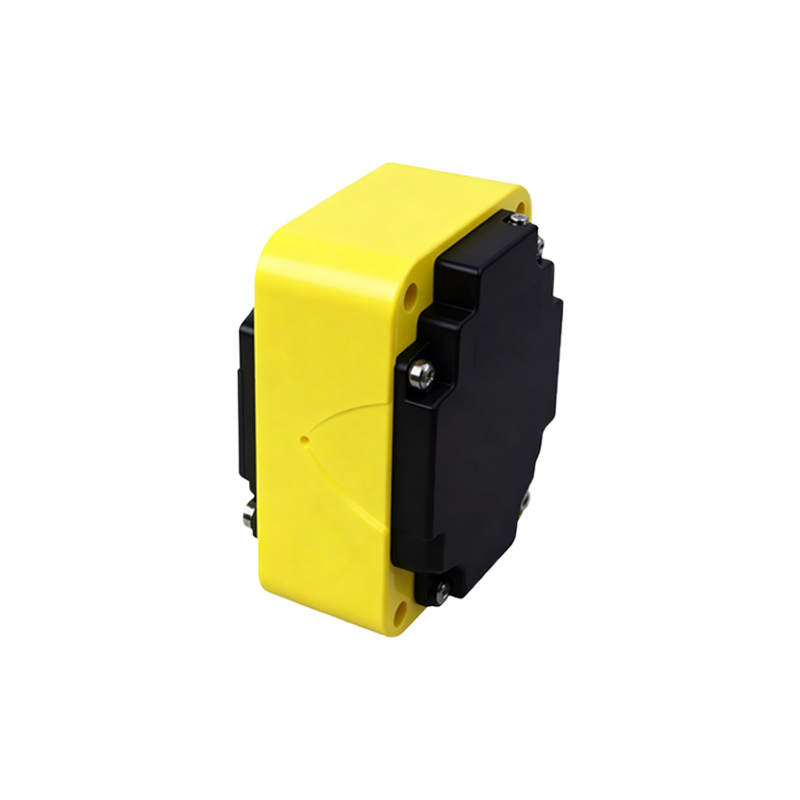
Support Services and Global Availability
A brand's value extends beyond the product itself to encompass comprehensive support services. Top-tier manufacturers offer extensive technical documentation, application engineering assistance, and training programs to help users optimize sensor deployment. Additionally, global distribution networks ensure prompt availability of replacement parts and accessories, minimizing supply chain disruptions. For multinational corporations, this global presence is crucial for standardizing equipment across facilities and ensuring consistent performance. Brands with robust customer service frameworks provide rapid troubleshooting and warranty coverage, reducing total cost of ownership and enhancing user confidence in long-term reliability.
Cost Considerations and Long-Term Value
While initial purchase price is a factor, the long-term value offered by reputable proximity sensor brands often justifies higher upfront costs. Cheaper, unbranded alternatives may seem attractive but frequently lead to increased expenses due to frequent replacements, calibration issues, or compatibility challenges. In contrast, premium brands deliver consistent performance over extended periods, reducing lifecycle costs through lower failure rates and minimal maintenance. Engineers must evaluate total cost of ownership, including installation, operation, and downtime expenses, to make informed decisions. Investing in trusted brands ultimately contributes to sustainable operations, aligning with financial and operational objectives in industrial settings.
Conclusion: Strategic Importance of Brand Selection
Selecting the right proximity sensor brand is a strategic decision that influences industrial automation success. Brands embody a legacy of quality, innovation, and support, directly impacting system reliability, safety, and efficiency. As industries embrace automation and digital transformation, partnering with established brands ensures access to advanced technologies and reliable performance. Engineers should prioritize brands that align with specific application needs, regulatory requirements, and long-term goals, fostering resilient and productive industrial ecosystems. In essence, the significance of proximity sensor brands lies in their ability to deliver not just products, but holistic solutions that drive operational excellence.