Understanding Proximity Switch Sensor Terminology
In the globalized electrical and automation industry, precise terminology is paramount. The term "proximity switch sensor" itself is a direct and accurate translation, widely accepted in technical English. However, a deeper understanding requires familiarity with its core components and variations. The fundamental principle involves detecting the presence or absence of a target object without physical contact, typically through electromagnetic, capacitive, or ultrasonic means. Key operational terms include "sensing distance" (the maximum range for reliable detection), "hysteresis" (the difference between the switch-on and switch-off points), and "response frequency" (the maximum number of detection operations per second). Mastering these basic terms forms the foundation for accurate translation and specification reading.
Common Types and Their Specific Nomenclature
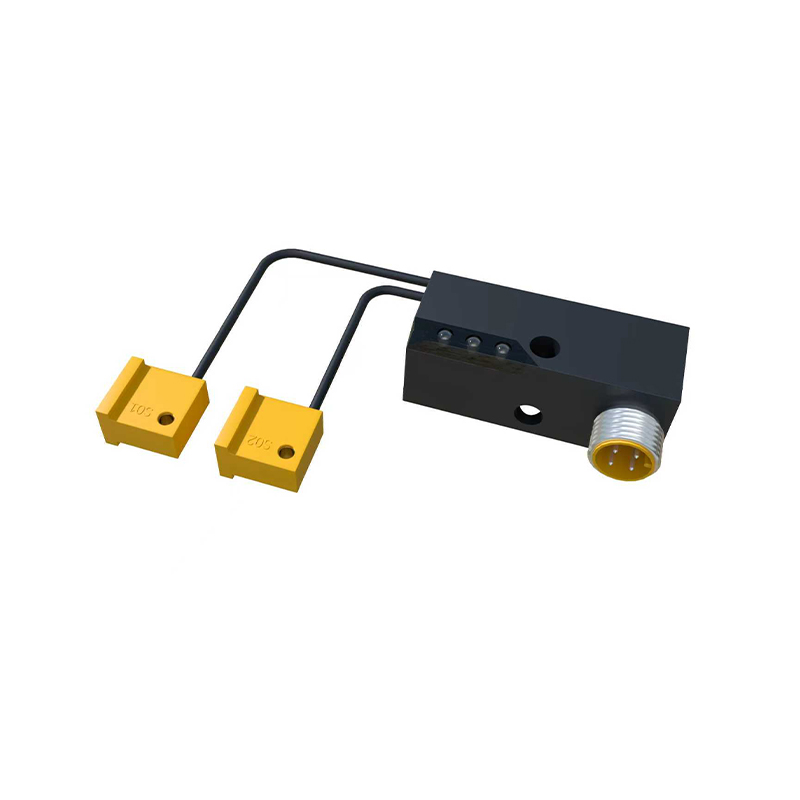
Proximity sensors are categorized primarily by their detection technology. The most prevalent type is the "inductive proximity sensor," designed to detect metallic objects, primarily ferrous metals. Its specifications often mention "shielded" or "unshielded" designs, affecting installation flushness with metal. The "capacitive proximity sensor" can detect both metallic and non-metallic materials (like liquids, wood, or plastics) and is frequently associated with terms like "dielectric constant" of the target. For longer ranges or specific applications, "ultrasonic proximity sensors" and "photoelectric sensors" (which use light beams) are employed. It is crucial to note that "photoelectric sensor" is often used as a broader category, while "proximity switch" typically implies a shorter, non-beam sensing mode.
Technical Documentation and Datasheet Translation Points
When translating or interpreting technical datasheets, attention to detail is critical. Standard headings include "Electrical Data" (covering voltage range, current consumption, output type), "Output Function" (normally open [NO] or normally closed [NC]), and "Connection" (2-wire, 3-wire PNP, or 3-wire NPN). The term "rated operating distance" (Sn) is a key parameter. Phrases like "short-circuit protection," "reverse polarity protection," and "overload protection" are common safety features. Environmental ratings, such as "IP67" (Ingress Protection rating for dust and temporary immersion), are universal codes but must be correctly stated. Avoid literal translations for technical slang; for instance, "sinking input" corresponds to NPN logic, while "sourcing input" corresponds to PNP logic.
Wiring Diagram Symbols and Circuit Descriptions
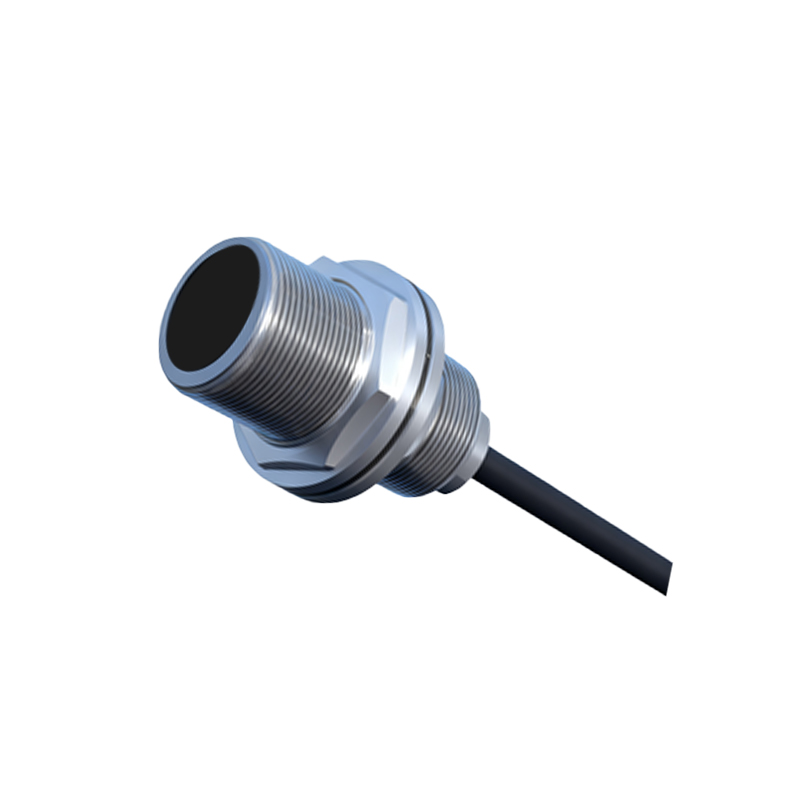
Proximity sensors are represented by standardized symbols in circuit diagrams. The IEC (International Electrotechnical Commission) symbol is most common. In descriptive text, wiring instructions must be clear. For a 3-wire DC sensor: "The brown wire connects to the positive supply voltage (+V), the blue wire to the negative supply or common (0V), and the black wire is the switched output signal." The output type must be specified: "The sensor provides a digital PNP transistor output," meaning it switches the positive voltage to the load. Confusing "PNP" and "NPN" is a frequent error in translation, as they define the current flow direction and compatibility with controllers like PLCs.
Application-Specific Phrases and Industry Jargon
In project specifications and maintenance manuals, context-specific language appears. Phrases like "for position detection," "used in counting applications," or "ensures jam detection on a conveyor" describe functions. Terms like "flush-mountable" allow installation in metal without side interference. "Namur sensor" refers to a specific intrinsically safe design used in hazardous areas. Abbreviations are prevalent: "PLC" (Programmable Logic Controller) input, "NO" contact, "NC" contact. The phrase "proximity switch" is sometimes used interchangeably with "proximity sensor," though "switch" emphasizes the binary output function. Consistency in using these terms within a single document is essential for clarity.
Avoiding Common Translation Pitfalls
Several pitfalls can lead to misunderstanding. First, direct word-for-word translation from other languages often fails. For example, translating a term for "switching capacity" as "commutating power" would be incorrect. Second, units of measurement must be converted and stated correctly (e.g., millimeters for sensing distance, Hertz for frequency). Third, brand-specific model names should not be translated; they remain as-is. Fourth, ensure the translation distinguishes between "sensor" (the detecting device) and "actuator" (the device being controlled). Finally, always verify the context—the same word in a mechanical drawing note versus an electrical schematic may require different technical terms