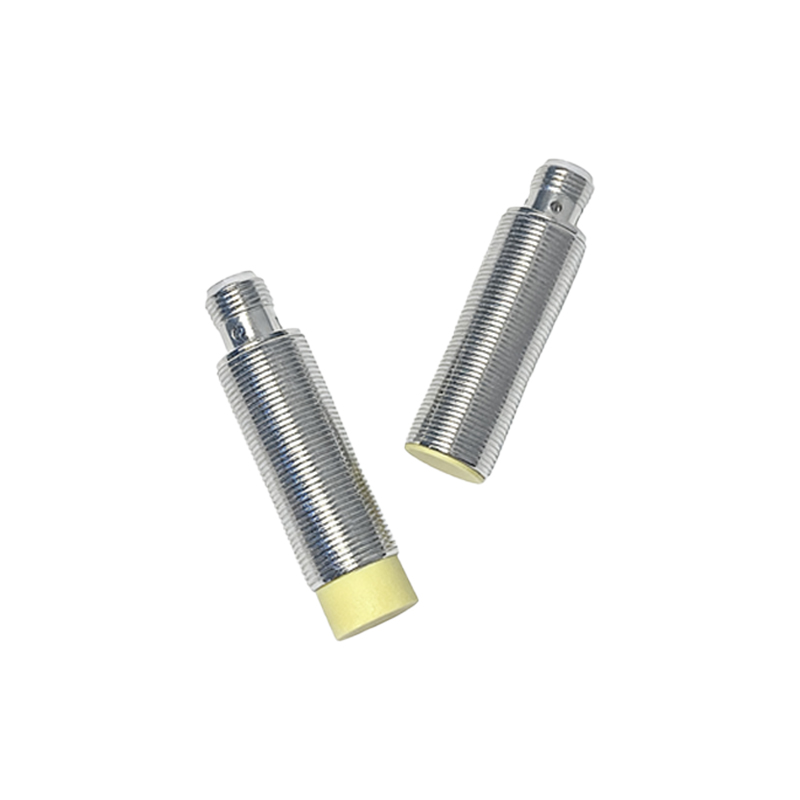
In the realm of industrial automation and smart device design, the precise detection of an object's presence without physical contact is a fundamental requirement. Among the various technologies enabling this capability, the Proximity Sensor 13 stands out as a versatile and widely adopted component. This sensor represents a specific class or model within a broader family, engineered for reliability, accuracy, and integration ease. Its core function is to detect the presence or absence of a target within a defined sensing range, triggering an electrical signal that can be used to control machinery, enhance safety, or enable interactive features.
The operational principle of a Proximity Sensor 13 typically hinges on electromagnetic fields or capacitive sensing. Inductive versions, common in industrial settings, generate an oscillating electromagnetic field. When a metallic object enters this field, it induces eddy currents within the target, which in turn dampens the sensor's oscillation. This change is detected by the internal circuitry, prompting the sensor to switch its output state. Capacitive variants, on the other hand, can detect both metallic and non-metallic materials by sensing changes in capacitance caused by the intrusion of any object into its electrostatic field. The "13" designation often refers to specific technical characteristics, such as a sensing distance, housing size, or electrical output type standardized by industry norms like IEC 60947-5-2.
Key technical specifications define its performance. The nominal sensing distance, often a few millimeters to tens of millimeters, is a critical parameter. Factors like the target material, size, and shape can influence the effective range. Repeat accuracy, the sensor's ability to consistently detect an object at the same point, is vital for precision applications. Response time, the delay between target detection and output signal change, determines how fast the sensor can operate in high-speed processes. Furthermore, these sensors are designed with robust housing, typically from materials like nickel-plated brass or stainless steel, offering high degrees of ingress protection (IP ratings) against dust, water, and oils, making them suitable for harsh environments.
The applications of Proximity Sensor 13 are extensive and cross-industry. In manufacturing, they are ubiquitous on assembly lines for part detection, counting, and end-position monitoring of cylinders. They ensure robotic arms do not collide with obstacles and verify the correct placement of components. In the automotive sector, they are used for gear position sensing and safety interlocks on machinery. Beyond heavy industry, miniaturized versions are integral to consumer electronics. While not always labeled as "13," the underlying technology enables features like automatic screen turn-off during phone calls when the device is held near the ear, conserving battery life. They also find roles in touchless faucets, elevator door safety systems, and level detection in tanks.
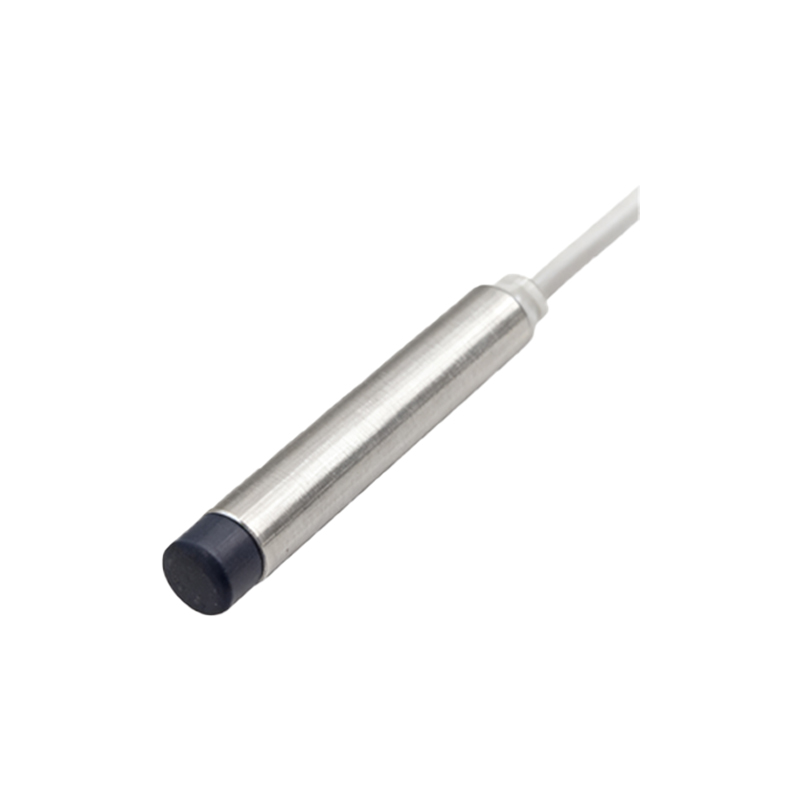
Selecting and installing the correct Proximity Sensor 13 requires attention to several factors. The nature of the target material is paramount; inductive sensors require ferrous or non-ferrous metals, while capacitive sensors are more versatile. The required sensing distance and the available space for mounting dictate the sensor's size and shape. Electrical characteristics, such as operating voltage (commonly 10-30V DC) and output type (PNP/NPN, normally open/normally closed), must be compatible with the control system, such as a Programmable Logic Controller (PLC). Proper installation is crucial: maintaining the recommended gap from surrounding metal to prevent false triggering, ensuring stable power supply, and protecting the cable from excessive stress or abrasion.
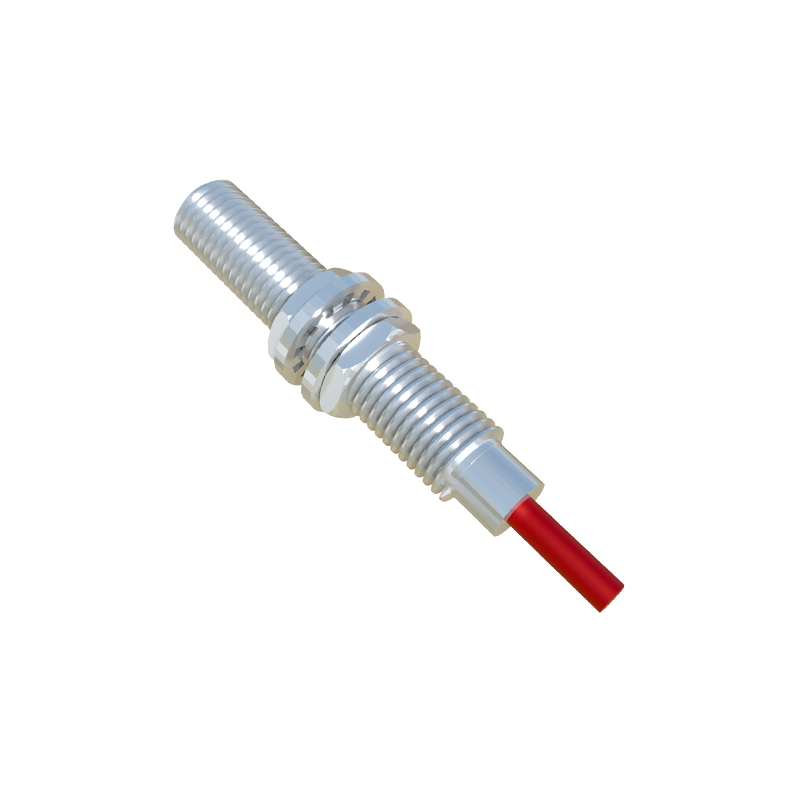
Compared to mechanical limit switches, Proximity Sensor 13 offers significant advantages. With no moving parts to wear out, they boast exceptionally long service life and high reliability. Their solid-state design allows for high-speed operation and resistance to vibration. They operate silently and are not affected by surface conditions like oil or grime, which could impede mechanical contact. However, they are not without limitations. Their sensing range is fixed and relatively short. Inductive types are sensitive only to metals, and environmental factors like extreme temperatures or strong electromagnetic interference can affect performance. Understanding these constraints is key to successful deployment.
In conclusion, the Proximity Sensor 13 is a cornerstone of modern sensing technology. Its ability to provide non-contact, wear-free detection makes it an indispensable tool for enhancing efficiency, safety, and automation across countless applications. From controlling massive industrial robots to enabling subtle features in handheld devices, this sensor exemplifies how a focused technological solution can have a broad and profound impact. As industries move towards greater connectivity and intelligence in the Industrial Internet of Things (IIoT), the reliable data provided by such sensors will continue to be a critical input for smarter decision-making and optimized processes.