Introduction to High Precision Proximity Sensors
In the realm of industrial automation, the demand for accurate, reliable, and non-contact detection has never been greater. High precision proximity sensors stand at the forefront of this technological evolution, serving as critical components in manufacturing, robotics, and quality control systems. These sophisticated devices are engineered to detect the presence, absence, or position of an object with exceptional accuracy, without any physical contact. Unlike traditional mechanical switches or basic sensors, high precision variants offer micron-level resolution, repeatability, and stability, even in challenging environmental conditions. Their operation is typically based on electromagnetic, capacitive, or inductive principles, each tailored for specific material types and application requirements. The core value lies in their ability to provide consistent feedback for process control, ensuring that automated systems operate with maximum efficiency and minimal error. As industries increasingly embrace smart manufacturing and Industry 4.0 initiatives, the role of these sensors becomes indispensable, forming the sensory foundation for interconnected and intelligent production lines.
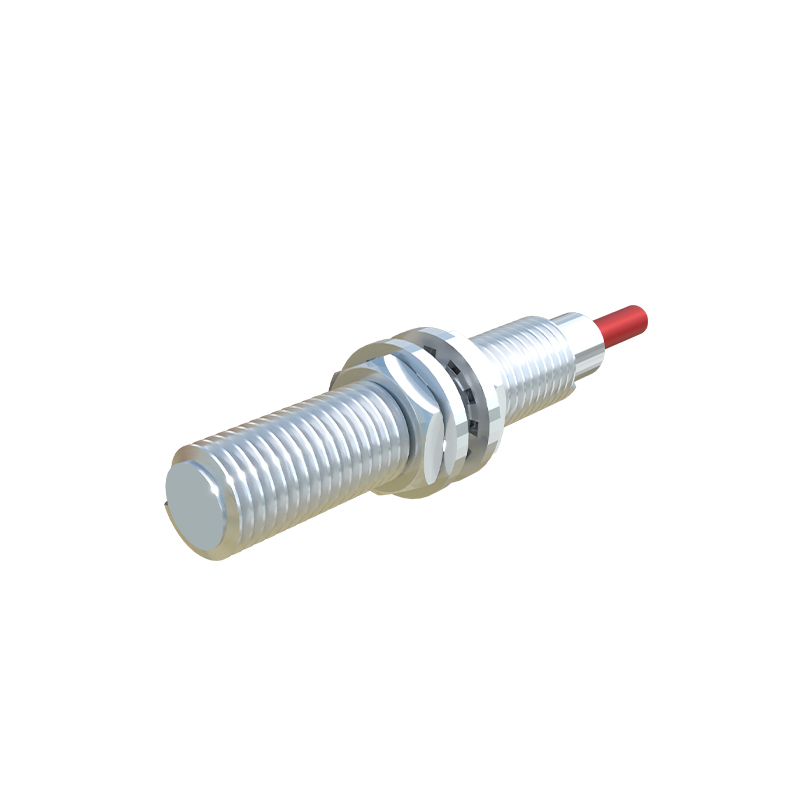
Core Technologies and Operating Principles
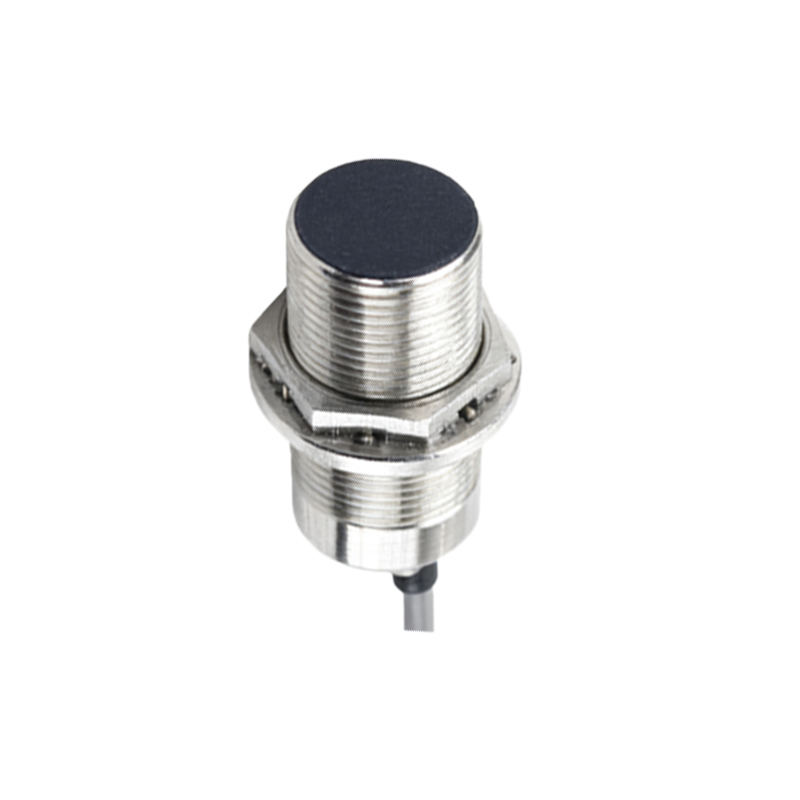
The exceptional performance of high precision proximity sensors is rooted in advanced technological principles. Inductive sensors are predominantly used for detecting metallic objects. They generate an electromagnetic field; when a metal target enters this field, it induces eddy currents that alter the oscillation amplitude, triggering a switch signal. Modern inductive sensors achieve sub-millimeter detection accuracy through optimized coil designs and high-frequency oscillation circuits. Capacitive sensors, on the other hand, can detect both metallic and non-metallic materials, including liquids, plastics, and glass. They measure changes in capacitance between the sensor's active surface and the target object. Advanced signal processing algorithms allow these sensors to distinguish between the target and background interference, enabling precise detection even through thin barriers. For applications requiring the highest resolution, such as semiconductor wafer positioning or precision assembly, laser-based triangulation or time-of-flight sensors are employed. These optical sensors emit a focused light beam and analyze the reflected signal to determine distance with micrometer precision. Common to all high-end variants is the integration of temperature compensation circuits, EMI shielding, and robust housing materials (e.g., stainless steel, PBT plastic) to ensure performance remains uncompromised by electrical noise, thermal drift, or physical contaminants.
Key Performance Parameters and Selection Criteria
Selecting the appropriate high precision proximity sensor requires a thorough understanding of key performance parameters. Sensing distance, often specified as the nominal or guaranteed operating distance, is fundamental. High precision models offer very tight tolerances on this distance, with minimal deviation between units. Repeatability, perhaps the most critical metric, refers to the sensor's ability to consistently detect an object at the exact same position under unchanged conditions; premium sensors boast repeatability values as low as ±0.5 microns. Response time, measured in microseconds to milliseconds, determines how quickly the sensor can react to a target's presence, which is vital for high-speed production lines. Environmental factors like operating temperature range, ingress protection (IP) rating for dust and water resistance, and resistance to chemicals or oils must align with the installation environment. Electrical output types (e.g., NPN, PNP, analog 4-20mA, IO-Link digital) define how the sensor interfaces with controllers like PLCs. The choice of housing shape (cylindrical, rectangular, slot-type) and size is also crucial for mechanical integration. Engineers must also consider the target material, size, and required mounting conditions to avoid false triggers from adjacent machinery or background objects. A comprehensive evaluation of these criteria ensures the sensor enhances system reliability rather than becoming a point of failure.
Applications Driving Innovation and Demand
The application spectrum for high precision proximity sensors is vast and continuously expanding. In automotive manufacturing, they are deployed in robotic welding cells for precise seam tracking and in engine assembly for verifying component presence and orientation with zero defect tolerance. The electronics industry relies on them for PCB population verification, ensuring micro-components are placed correctly before soldering. Packaging machinery utilizes these sensors for label position verification, fill-level control, and cap torque detection on bottling lines. In metalworking, they monitor tool wear on CNC machines by detecting minute changes in spindle position, enabling predictive maintenance. Emerging fields such as collaborative robotics (cobots) integrate compact, high-accuracy sensors for safe human-robot interaction and delicate part handling. Furthermore, the growth of automated guided vehicles (AGVs) and autonomous mobile robots (AMRs) depends on sensor arrays for navigation and obstacle detection in dynamic warehouses. Each application pushes the boundaries of sensor technology, demanding higher speeds, smaller form factors, and smarter features like integrated diagnostics and wireless connectivity. This symbiotic relationship between application challenges and sensor innovation fuels the ongoing advancement of the entire field.