Introduction to Remote Proximity Sensors
Remote proximity sensors are pivotal components in modern industrial systems, designed to detect the presence, absence, or position of objects without physical contact. These sensors operate by emitting electromagnetic fields, light, or sound waves and analyzing changes in the return signal. Unlike traditional mechanical switches, they offer non-invasive monitoring, reducing wear and tear while enhancing reliability in harsh environments such as manufacturing floors, automotive assembly lines, and logistics hubs. By enabling real-time data acquisition, they form the backbone of automated processes, contributing to efficiency and precision in operations.
Core Technologies and Operating Principles
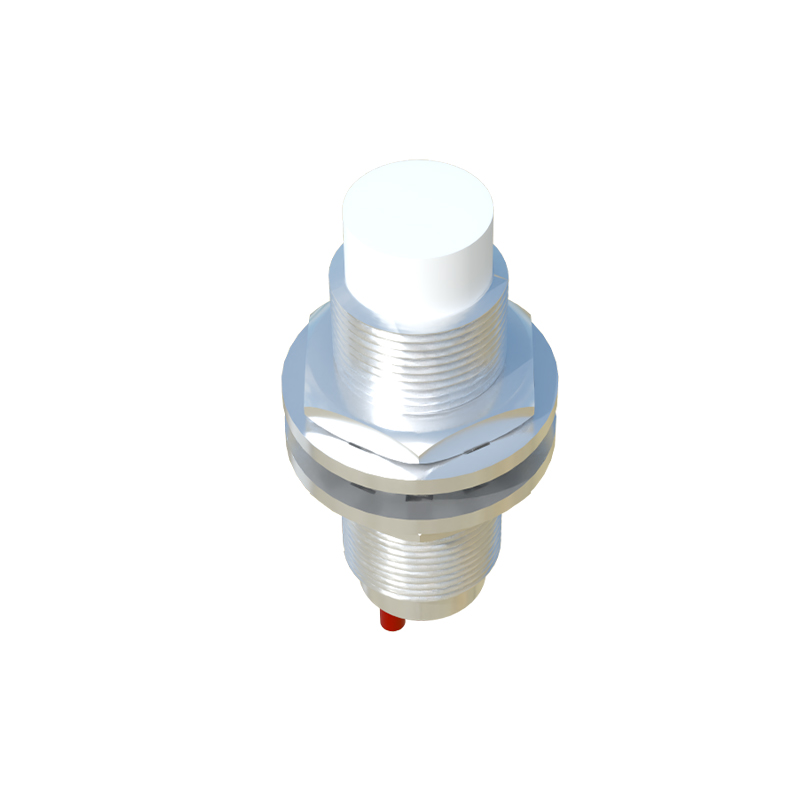
The functionality of remote proximity sensors hinges on several key technologies. Inductive sensors are commonly used for metal detection, utilizing electromagnetic induction to sense ferrous and non-ferrous objects. Capacitive sensors detect both metallic and non-metallic materials by measuring changes in capacitance. Ultrasonic sensors employ sound waves to gauge distance, ideal for liquid level monitoring or object detection in dusty conditions. Photoelectric sensors use light beams, often infrared, to identify objects based on reflection or beam interruption. Each type leverages distinct physical principles, allowing customization for specific industrial applications, from packaging to robotics.
Applications in Industrial Automation
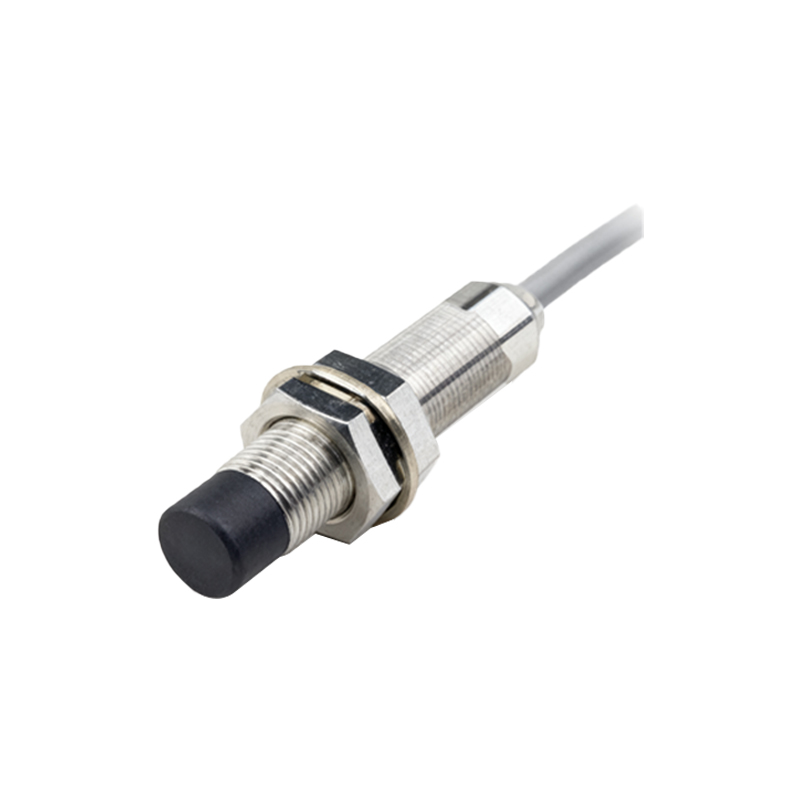
In industrial settings, remote proximity sensors drive automation by facilitating seamless control and monitoring. They are integral to conveyor systems, where they detect product positions to coordinate sorting and routing. In robotic arms, sensors ensure precise movement and collision avoidance, enhancing safety and productivity. Automotive industries rely on them for assembly line quality checks, such as verifying component placement. Additionally, in warehousing, sensors enable inventory tracking through automated guided vehicles (AGVs), optimizing supply chain logistics. Their ability to operate in extreme temperatures or contaminated areas makes them indispensable for continuous, unmanned operations.
Enhancing Safety and Risk Mitigation
Safety is a paramount concern in industrial environments, and remote proximity sensors play a critical role in hazard prevention. By monitoring machinery zones, they can trigger emergency stops if unauthorized entry is detected, protecting workers from accidents. In hazardous areas with flammable materials, intrinsically safe sensor designs prevent sparks, reducing explosion risks. Sensors also monitor equipment health, predicting failures through vibration or proximity data, thus preventing costly downtime and injuries. Compliance with standards like ISO 13849 for safety-related systems underscores their importance in creating secure workplaces.
Integration with IoT and Smart Systems
The advent of the Internet of Things (IoT) has expanded the capabilities of remote proximity sensors. When connected to networks, sensors transmit data to central platforms for analysis, enabling predictive maintenance and energy optimization. In smart factories, they feed information to programmable logic controllers (PLCs) and supervisory control and data acquisition (SCADA) systems, allowing real-time adjustments. Wireless sensor networks reduce installation costs and increase flexibility, supporting Industry 4.0 initiatives. This connectivity fosters data-driven decision-making, improving overall operational intelligence and resource management.
Selection Criteria and Best Practices
Choosing the right remote proximity sensor requires careful consideration of factors such as sensing range, material compatibility, environmental conditions, and output type. For instance, inductive sensors suit short-range metal detection, while ultrasonic variants excel in longer distances. Engineers should assess temperature ratings, ingress protection (IP) levels, and electrical interfaces to ensure durability. Regular calibration and maintenance are essential to sustain accuracy. Adhering to manufacturer guidelines and industry norms, like IEC 60947 for switchgear, helps optimize performance and longevity in diverse applications.
Future Trends and Innovations
The future of remote proximity sensors is marked by advancements in miniaturization, energy efficiency, and AI integration. Emerging technologies, such as LiDAR for high-resolution 3D mapping, are enhancing precision in autonomous systems. Energy-harvesting sensors that power themselves from ambient sources promise sustainability. AI algorithms can analyze sensor data to predict anomalies, further boosting automation. As industries embrace digital twins and cyber-physical systems, sensors will evolve to offer higher connectivity and smarter functionalities, driving the next wave of industrial transformation.