Understanding Low Temperature Proximity Sensors
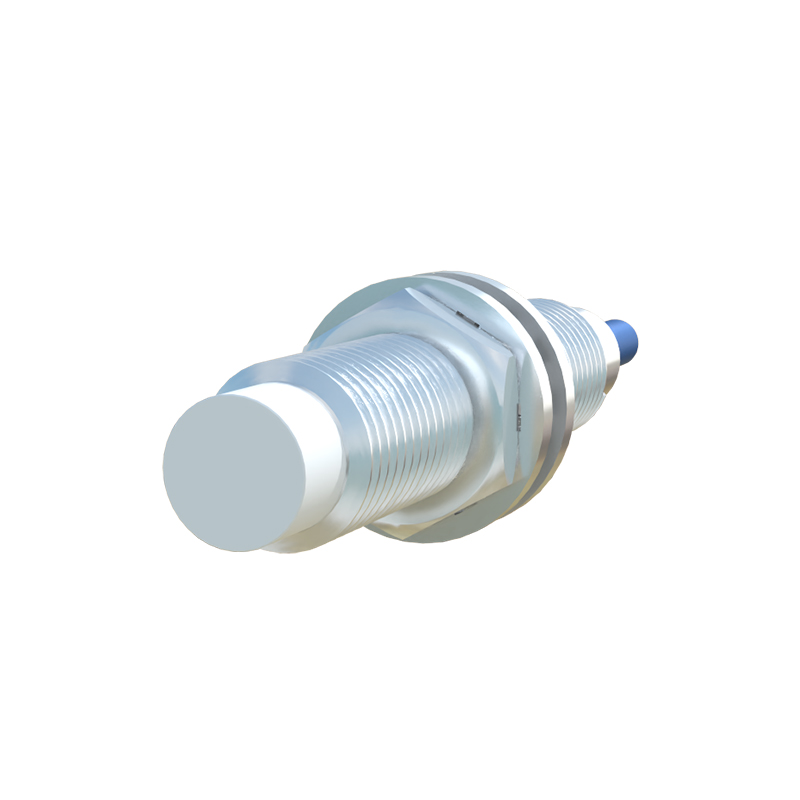
In the realm of industrial automation and process control, proximity sensors are indispensable components for detecting the presence or absence of objects without physical contact. However, standard sensors often falter when deployed in harsh, cryogenic environments. Low temperature proximity sensors are specifically engineered to overcome these challenges. They are designed to maintain precise and reliable operation in temperatures that can plummet to -40°C, -60°C, or even lower. This specialized capability is not merely an incremental improvement but a critical redesign of internal components, housing materials, and sensing technologies to prevent failure modes induced by extreme cold, such as material embrittlement, condensation, and electronic signal drift.
Key Design Challenges in Cryogenic Applications
Developing a sensor for sub-zero operations involves tackling a suite of interrelated problems. First, conventional plastics and metals can become brittle and crack. Second, internal lubricants can solidify, causing mechanical components to seize. Third, thermal contraction of materials can misalign sensitive internal parts, leading to inaccurate detection. Fourth, condensation and subsequent ice formation can short-circuit electronics or obstruct the sensing face. Finally, the performance of semiconductors and other electronic components degrades outside their specified temperature ranges, causing erratic output signals. A robust low-temperature design must holistically address all these factors to ensure fail-safe operation.
Core Technologies and Material Innovations
The resilience of a low temperature proximity sensor hinges on advanced materials and thoughtful engineering. Enclosures are typically constructed from high-grade stainless steel (e.g., 316L) or specialized polymers like PPS (Polyphenylene Sulfide) that retain their toughness and dimensional stability. Seals are made from fluorocarbon elastomers (such as Viton) that stay flexible at low temperatures. Internally, the sensing element—whether inductive, capacitive, or photoelectric—is selected or customized for cold-weather performance. For inductive sensors, the coil winding and core material are optimized. Circuit boards may use conformal coatings to protect against moisture, and temperature-compensated circuits are employed to stabilize the output signal across the entire operating range.
Inductive vs. Capacitive Sensors in the Cold
The choice of sensing principle is crucial. Inductive proximity sensors, which detect metallic objects, are highly popular in cold environments like freezer warehouses, outdoor material handling, and cryogenic processing plants. Their solid-state design with no moving parts is inherently more resistant to cold-induced mechanical failure. Capacitive sensors, capable of detecting non-metallic materials like plastics, wood, or liquids, face additional challenges as the dielectric properties of both the target and the surrounding environment (like cold, dry air) can change with temperature. High-quality low-temperature capacitive sensors incorporate sophisticated compensation algorithms to account for these variations, ensuring consistent detection levels.
Critical Performance Specifications to Evaluate
When selecting a sensor for a low-temperature application, engineers must scrutinize the datasheet beyond the standard parameters. The guaranteed operating temperature range (e.g., -60°C to +70°C) is paramount. The temperature coefficient, which indicates how much the sensing distance drifts with temperature change, should be minimal. Protection ratings like IP67, IP68, or IP69K are essential to guard against ice and condensation. Additionally, specifications for thermal shock resistance, maximum allowable condensation, and startup performance from a fully cold-soaked state are critical indicators of real-world reliability. A sensor that functions at -40°C after gradual cooling might fail if powered on directly at that temperature.
Application Areas Demanding Reliability
The demand for these specialized sensors spans numerous industries. In the food and beverage sector, they are vital in blast freezers, spiral freezers, and cold storage logistics for monitoring product movement and door positions. In the energy sector, they monitor equipment in liquefied natural gas (LNG) facilities and arctic oil & gas installations. Pharmaceutical and biotechnology companies use them in freeze-drying (lyophilization) processes and cold chain storage. Outdoor applications in cold climates, such as automated container ports, mining operations, and wastewater treatment plants, also rely heavily on these robust sensors to maintain continuous, unattended operation.
Installation and Maintenance Best Practices
Proper installation is key to maximizing sensor lifespan in cold environments. Sensors should be mounted to minimize exposure to direct wind chill or cascading cold liquids. Using thermally insulated mounting brackets can help mitigate rapid temperature cycling. Cables must be rated for low-temperature flexibility to prevent cracking. During maintenance, it is advisable to use sensors with LED status indicators that remain visible in low-light, cold conditions. A proactive maintenance schedule should include checking for ice buildup on the sensing face and verifying the integrity of cable glands and seals, which are common failure points