Introduction to Proximity Switch Sensors
In the realm of industrial automation, proximity switch sensors stand as fundamental components, enabling machines to perceive their environment without physical contact. These non-contact sensors detect the presence or absence of an object within a specified range, triggering an electrical signal. Their operation is based on various physical principles, including electromagnetic, capacitive, and inductive technologies. The primary advantage lies in their ability to function reliably in harsh conditions—amidst dust, oil, and vibration—where mechanical limit switches would fail. By providing precise and rapid detection, they form the sensory backbone of modern manufacturing lines, robotics, and material handling systems, ensuring seamless and efficient operations.
Core Operating Principles and Types
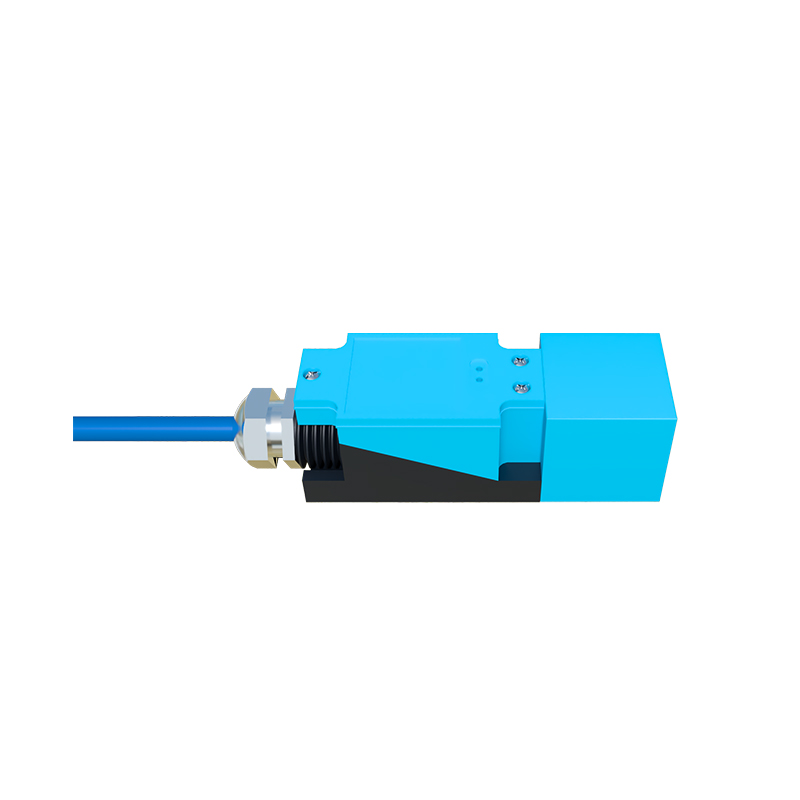
Proximity sensors are categorized mainly by their detection method. Inductive proximity sensors are the most common, generating an electromagnetic field to detect metallic objects. When a metal target enters this field, it induces eddy currents, causing the sensor to switch. Capacitive sensors, on the other hand, can detect both metallic and non-metallic materials like plastic, wood, or liquids by measuring changes in capacitance. Ultrasonic sensors use sound waves to gauge distance and presence, while photoelectric sensors employ light beams. Each type is selected based on application-specific requirements such as sensing distance, target material, environmental factors, and required response speed, allowing for tailored integration into complex control systems.
Key Functions in Machine Control and Safety
The role of these sensors extends far beyond simple object detection. In machine control, they are critical for position verification, ensuring parts are correctly aligned before a process begins, such as in CNC machining or assembly robots. They count objects on conveyor belts, control rotational speed by detecting gear teeth, and monitor fill levels in tanks. From a safety perspective, proximity switches are integral to safety interlock systems. They can halt machinery if a guard door is opened or if an operator enters a hazardous zone, thereby preventing accidents and protecting both personnel and equipment. This dual function of enhancing both efficiency and safety underscores their indispensable value.
Advantages Over Mechanical Switches
The superiority of proximity sensors compared to traditional mechanical switches is pronounced. Their non-contact nature eliminates mechanical wear and tear, leading to a significantly longer operational lifespan and reduced maintenance costs. They offer high switching frequencies, capable of detecting objects at speeds impossible for mechanical arms or levers. Furthermore, they are not affected by surface conditions like dirt or moisture that could jam a mechanical switch. This reliability translates to less downtime and higher productivity. Their solid-state construction also makes them resistant to shock and vibration, ensuring consistent performance in demanding industrial environments.
Application Examples Across Industries
The versatility of proximity sensors is evident in their widespread use. In the automotive industry, they verify the presence of components on assembly lines and control robotic welding arms. In packaging, they ensure precise carton sealing and label application. Food and beverage plants utilize stainless steel, washdown-rated sensors to monitor production flows. In metalworking, inductive sensors detect the position of metal sheets for cutting or bending. Even in everyday applications like elevator floor alignment or automatic doors, proximity switches work silently to provide smooth, reliable operation. Their adaptability makes them a universal solution for automation challenges.
Selection Criteria and Installation Best Practices
Choosing the right proximity sensor requires careful consideration of several parameters. The sensing distance, or range, must be appropriate for the application, with a safety margin factored in. The target material dictates whether an inductive, capacitive, or other type is needed. Environmental conditions such as temperature extremes, exposure to chemicals, or potential washdowns determine the required housing material and ingress protection (IP) rating. Electrical output type (PNP/NPN, analog, or IO-Link) must match the control system. Proper installation is equally crucial; sensors should be mounted securely, aligned correctly with the target, and shielded from electrical noise to prevent false triggering and ensure optimal performance.
Future Trends and Technological Evolution
The future of proximity sensing is aligned with the growth of Industry 4.0 and the Industrial Internet of Things (IIoT). Modern sensors are increasingly equipped with smart features like IO-Link communication, which allows for parameter adjustment, diagnostics, and process data exchange directly with the control system. This enables predictive maintenance, where sensors can report their health status or warn of potential failures before they occur. Miniaturization continues, allowing sensors to fit into tighter spaces. Furthermore, the integration of advanced materials and improved circuitry is enhancing sensing ranges, accuracy, and resistance to interference, paving the way for even more sophisticated and interconnected automated systems.