Introduction to 9x Proximity Light Sensors
In the realm of industrial automation and advanced electronics, 9x proximity light sensors represent a critical category of components designed for non-contact detection and measurement. These sensors, often characterized by their high precision and reliability, utilize light-based technology—typically infrared (IR) or laser—to identify the presence, absence, or position of objects within a specified range. The "9x" designation may refer to a specific series or model family known for enhanced features such as extended sensing distances, robust environmental resistance, or integrated signal processing capabilities. Engineers across sectors rely on these sensors for tasks ranging from object counting and positioning to safety interlocks and quality control, making their correct sourcing and application paramount for system efficiency.
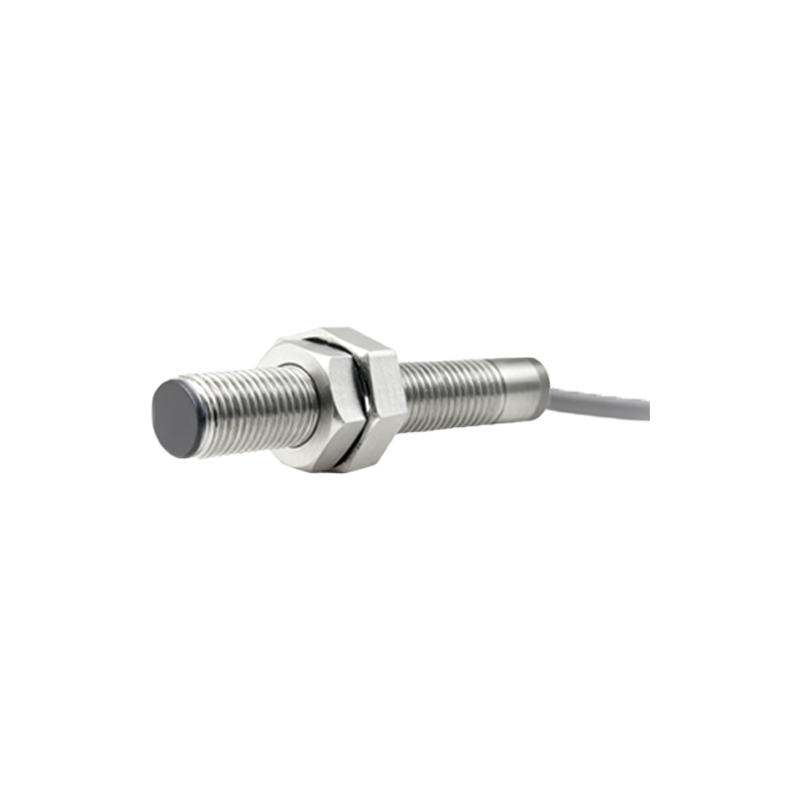
Primary Industrial Applications and Placement
9x proximity light sensors are predominantly deployed in environments demanding high accuracy and durability. In manufacturing assembly lines, they are frequently installed along conveyor belts to detect components for robotic pick-and-place operations or to verify part orientation. Common locations include mounting brackets near moving parts, enclosed housings to protect against dust and debris, and strategic points where minimal physical interference is required. Within automated machinery, these sensors might be found integrated into control panels, positioned at entry/exit points of processing stations, or embedded in safety curtains to halt equipment when an obstruction is detected. Their placement is meticulously planned to ensure optimal beam alignment and to avoid false triggers from ambient light or reflective surfaces.
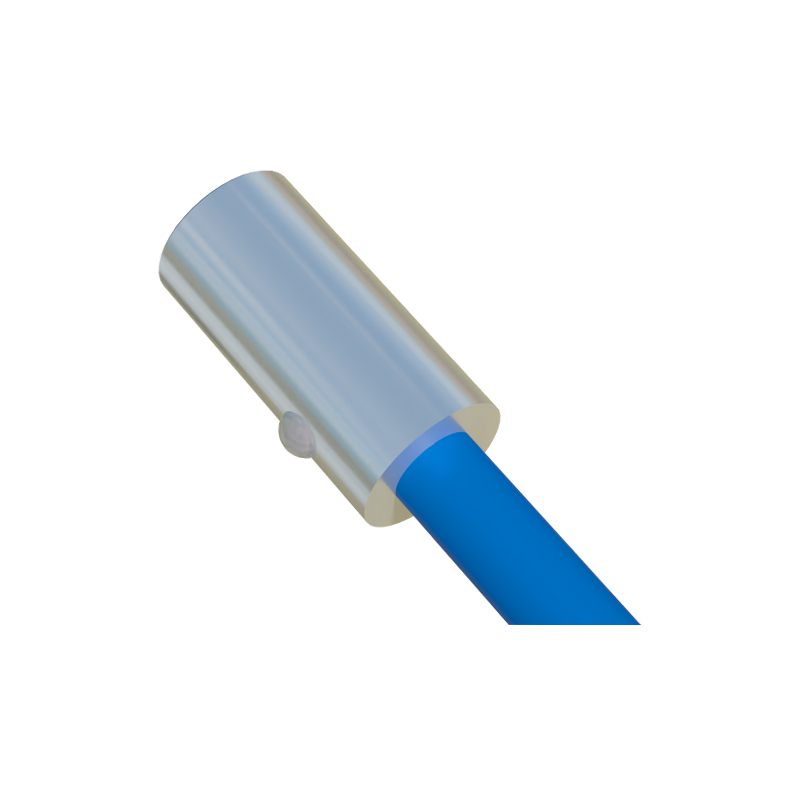
Procurement Channels and Suppliers
Sourcing genuine 9x proximity light sensors involves engaging with specialized distributors and manufacturers. Leading global suppliers in the sensor industry, such as Omron, Keyence, Sick, or Banner Engineering, often carry series that align with the 9x nomenclature or equivalent high-performance lines. Engineers typically procure these components through authorized industrial electronics distributors (e.g., Digi-Key, Mouser, RS Components) which provide detailed datasheets, compliance certifications, and technical support. For bulk or OEM requirements, direct manufacturer partnerships are advisable to ensure consistency and access to custom configurations. It is crucial to verify part numbers, specifications like sensing range (e.g., 0-500mm), output type (PNP/NPN, analog/digital), and environmental ratings (IP67, NEMA) to match application needs.
Integration in Modern Smart Systems
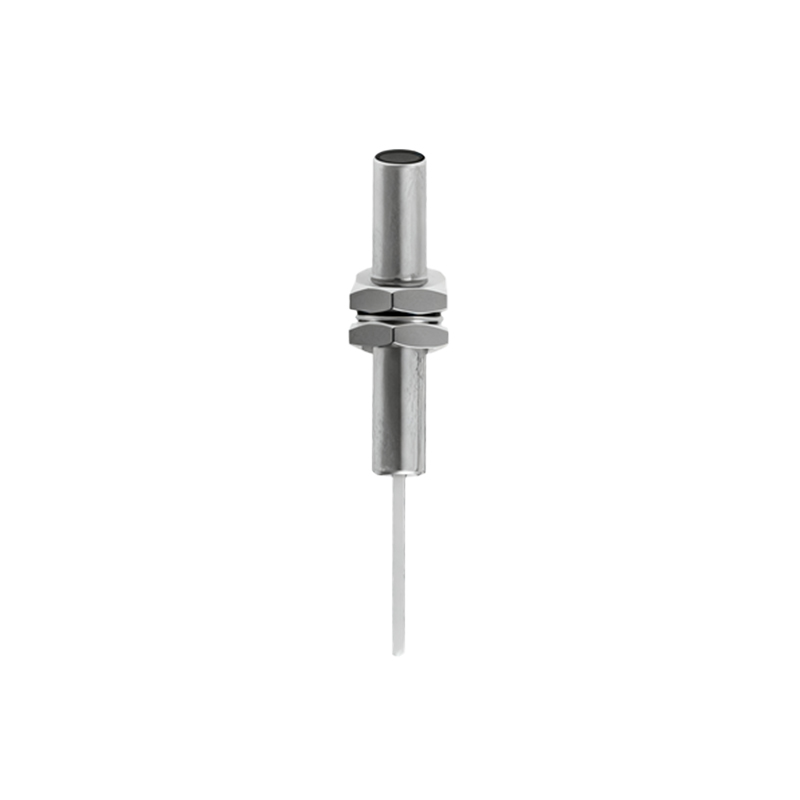
With the rise of Industry 4.0 and IoT-enabled facilities, 9x proximity light sensors are increasingly embedded within networked systems. They can be located in smart factories connected to PLCs (Programmable Logic Controllers) or IoT gateways, transmitting real-time data to supervisory control systems. Placement often involves proximity to communication modules, with sensors wired into centralized control cabinets or wirelessly linked via industrial protocols like IO-Link, Ethernet/IP, or Profinet. This integration allows for predictive maintenance, where sensor health and performance are monitored remotely, reducing downtime. Engineers must consider cable routing, power supply stability, and electromagnetic compatibility when installing these sensors in such interconnected setups.
Installation Best Practices and Considerations
Proper installation is key to maximizing the functionality of 9x proximity light sensors. They should be mounted on stable, vibration-free surfaces using appropriate brackets, ensuring the sensing axis is perpendicular to the target object. Adjustable mounting hardware is recommended for fine-tuning alignment. Environmental factors—such as temperature extremes, humidity, or exposure to chemicals—may necessitate selecting sensors with specific protective housings or coatings. Additionally, engineers should account for the target object's properties: dark, shiny, or transparent materials can affect detection accuracy, requiring sensors with background suppression or polarized filters. Regular calibration and testing, as per manufacturer guidelines, help maintain long-term reliability.
Future Trends and Accessibility
The evolution of 9x proximity light sensors points toward miniaturization, enhanced energy efficiency, and smarter onboard diagnostics. Future iterations may be found in emerging fields like autonomous mobile robots (AMRs), where they aid in navigation and obstacle avoidance, or in precision agriculture for equipment guidance. As supply chains globalize, these sensors are becoming more accessible through online marketplaces and specialized trade platforms, though engineers should prioritize suppliers with robust technical documentation and after-sales service. Keeping abreast of industry publications, trade shows, and manufacturer webinars can provide insights into the latest models and optimal sourcing strategies.
Conclusion and Practical Recommendations
In summary, 9x proximity light sensors are versatile components located across diverse industrial settings, from factory floors to advanced automated systems. Their procurement requires careful selection based on technical specifications and trusted supplier relationships. For optimal results, engineers should conduct thorough site assessments, follow installation best practices, and leverage integrated smart features for