Understanding Proximity Sensor Technology
Proximity sensors are fundamental components in modern industrial automation, providing non-contact detection of metallic or non-metallic objects. These devices operate on various principles, including inductive, capacitive, ultrasonic, and photoelectric technologies. Inductive sensors, for instance, generate an electromagnetic field to detect metallic objects, while capacitive sensors can sense both metallic and non-metallic materials by measuring changes in capacitance. The core function remains consistent: to deliver a reliable, high-speed signal indicating the presence or absence of a target without physical contact. This capability is crucial for applications ranging from object counting and positioning to safety interlocks and machine cycle control. The precision, repeatability, and longevity of these operations are directly tied to the quality and authenticity of the sensor itself.
The Critical Role of Original Equipment Manufacturer (OEM) Parts
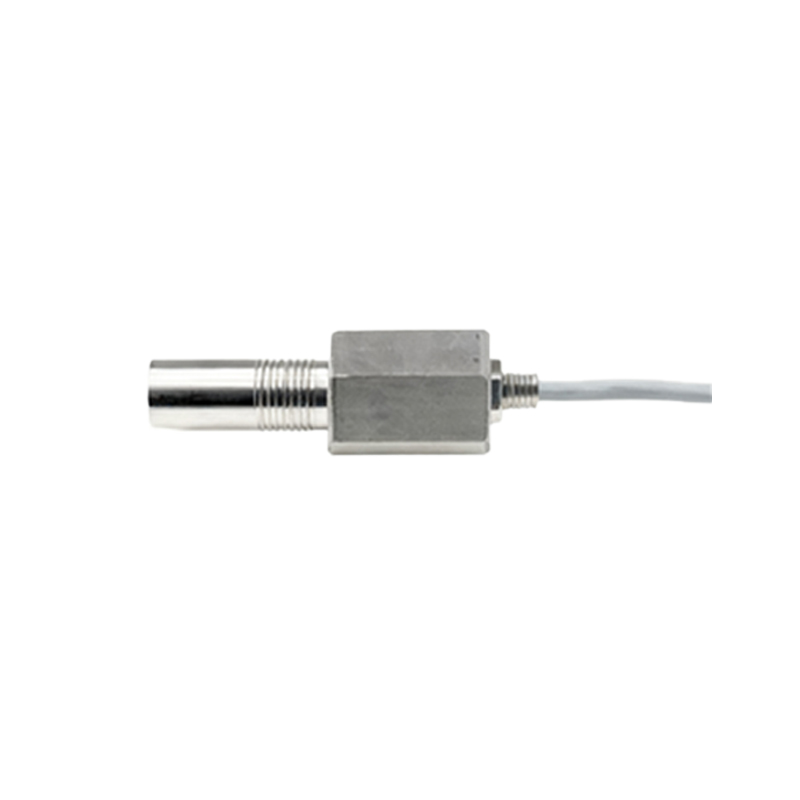
Specifying and installing genuine OEM proximity sensors is not merely a recommendation; it is a critical operational imperative. Authentic sensors are engineered and manufactured to exacting standards, with rigorous quality control processes ensuring every unit meets published specifications for sensing distance, temperature range, switching frequency, and environmental protection (IP ratings). Counterfeit or non-OEM compatible parts often fail to deliver on these parameters. They may have inconsistent sensing ranges, leading to missed detections or false triggers. Their housing materials might not provide the advertised resistance to oils, coolants, or mechanical impact, resulting in premature failure. Using genuine parts guarantees that the sensor's performance aligns perfectly with the system's design requirements, ensuring seamless integration and predictable behavior.
Performance and Reliability: The Genuine Advantage
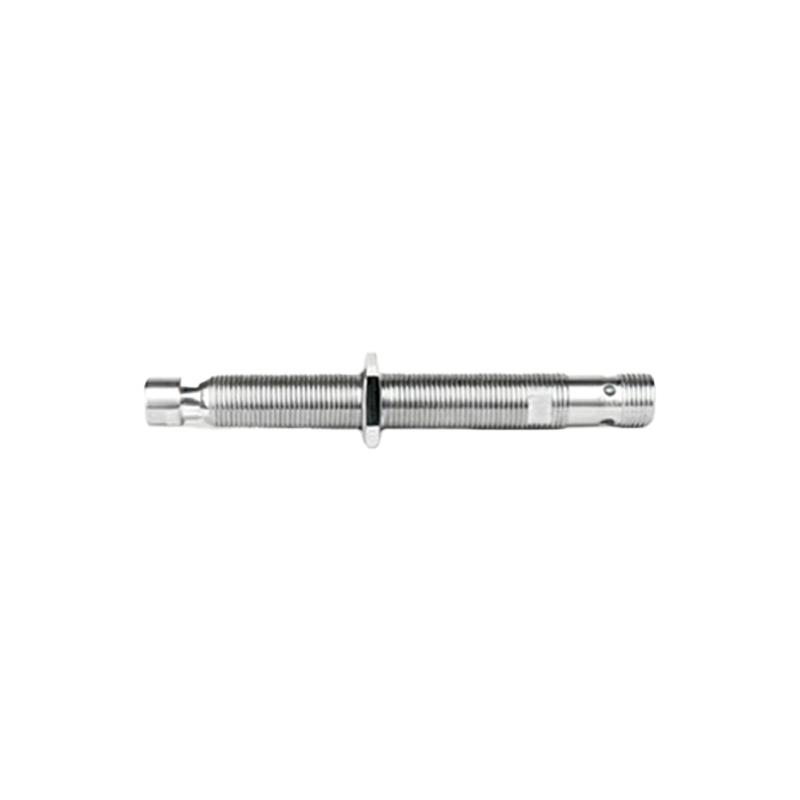
The performance delta between original and counterfeit sensors becomes stark under real-world industrial conditions. Genuine proximity sensors offer superior electrical characteristics, such as stable hysteresis, minimal temperature drift, and precise switching points. This translates to fewer production errors, reduced downtime, and higher overall equipment effectiveness (OEE). Their construction utilizes high-grade materials for the sensing face, housing, and cable or connector, ensuring resilience against vibration, electromagnetic interference (EMI), and voltage spikes. Furthermore, OEM sensors undergo extensive lifecycle testing, providing validated data on mean time between failures (MTBF). This reliability is paramount in continuous process industries or high-speed assembly lines where an unscheduled stop can incur significant financial losses.
Safety and Compliance Implications
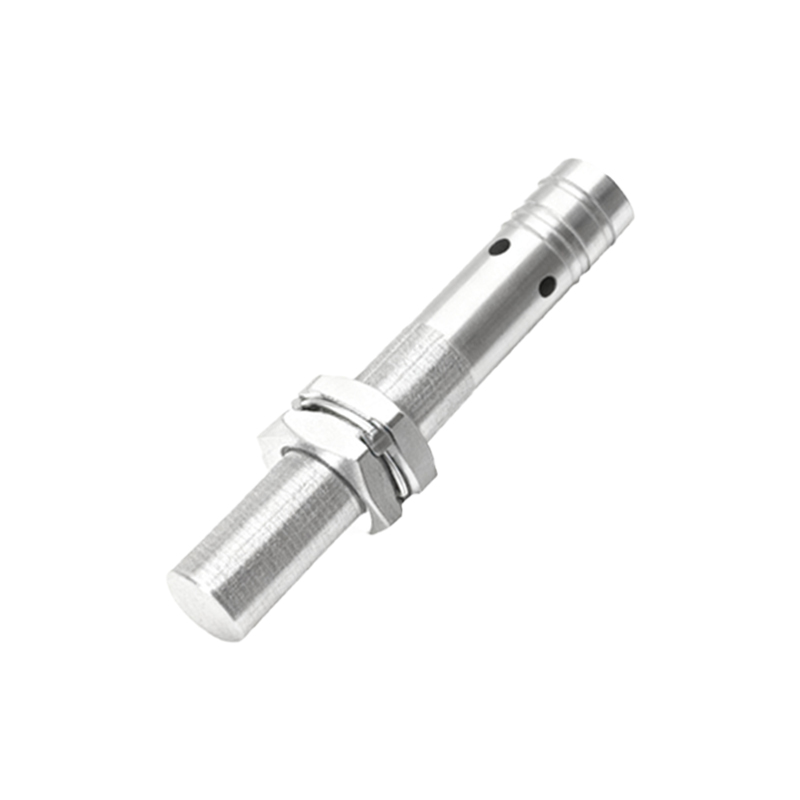
Beyond performance, the use of authentic proximity sensors carries significant weight in safety and regulatory compliance. In safety-critical applications—such as guarding systems on presses, robots, or automated guided vehicles (AGVs)—sensor failure can lead to catastrophic personnel injury or equipment damage. Genuine components are designed and certified to meet international safety standards (e.g., IEC 60947-5-2, SIL ratings for functional safety). They come with traceable documentation and certifications that are essential for audits and insurance purposes. Substituting with uncertified parts voids machine certifications and manufacturer warranties, exposing the operator to substantial legal and liability risks. Ensuring a safety system is built with verified, original components is a non-negotiable aspect of responsible engineering.
Total Cost of Ownership: A Long-Term Perspective
While the upfront cost of a genuine proximity sensor may be higher than a generic alternative, the total cost of ownership (TCO) tells a different story. The initial purchase price is a small fraction of the costs associated with sensor failure: production downtime, scrap material, emergency maintenance labor, and expedited shipping for replacements. Genuine sensors, with their proven reliability and longevity, drastically reduce these incident-related costs. They also ensure compatibility with existing system infrastructure, such as programmable logic controller (PLC) input cards and network interfaces, preventing integration headaches. Additionally, OEMs provide comprehensive technical support, detailed datasheets, and global availability, further reducing operational risk and supporting long-term maintenance planning.
Identifying and Sourcing Authentic Components
Procuring genuine sensors requires diligence. Always purchase from authorized distributors or directly from the manufacturer. Verify the packaging, part number labeling, and physical build quality against known authentic samples. Reputable manufacturers often incorporate security features like holographic labels or unique QR codes for verification. Be wary of prices that seem too good to be true, especially on unofficial online marketplaces. Establish a relationship with trusted suppliers who can provide certificates of authenticity and offer technical guidance. Investing time in proper sourcing protects your capital equipment, your production output, and most importantly, the safety of your personnel.