Introduction to Proximity Sensor Technology
Proximity sensors represent a cornerstone of modern industrial automation and smart systems. These non-contact devices detect the presence or absence of an object within a defined sensing range without any physical contact. The core principle involves emitting an electromagnetic field or a beam of radiation and looking for changes in the field or return signal. The evolution from basic inductive and capacitive models to sophisticated ultrasonic, photoelectric, and magnetic resonance sensors has been driven by the demand for higher precision, reliability, and adaptability in complex environments. Their applications span from simple object detection on conveyor belts to critical safety interlocks, precision positioning in robotics, and touchless interfaces in consumer electronics. Understanding the vast array of available models is essential for engineers to select the optimal sensor for specific voltage requirements, environmental conditions, target materials, and response speed needs.
Inductive Proximity Sensor Models
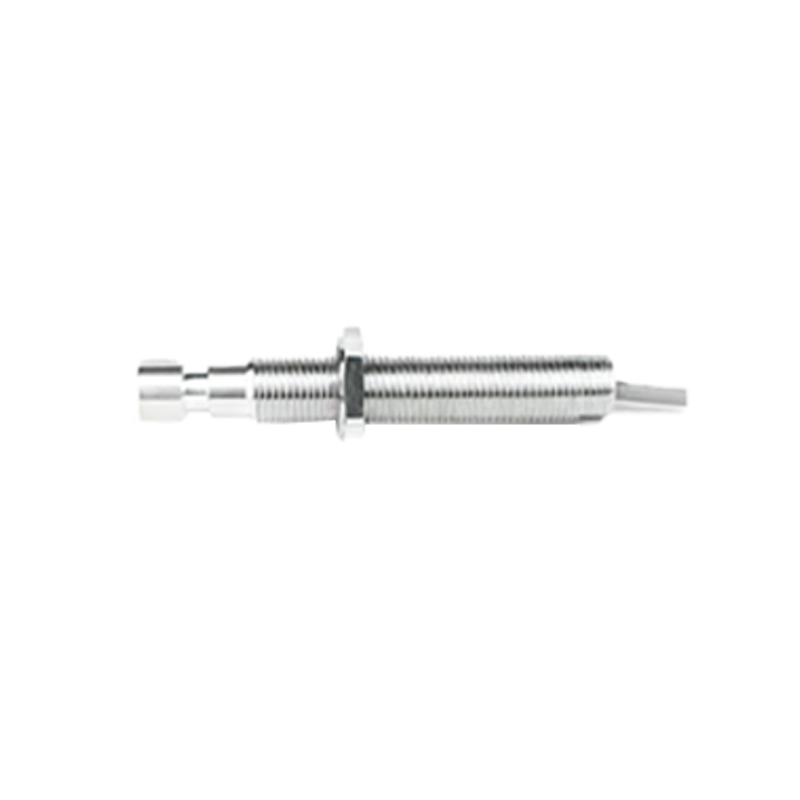
Inductive proximity sensors are exclusively used for detecting metallic objects. They operate on the principle of electromagnetic induction, where an oscillator generates a high-frequency electromagnetic field from the sensor's face. When a metal target enters this field, eddy currents are induced on the metal surface, causing a change in the oscillation amplitude. This change is detected by the sensor's circuitry, triggering an output signal. Key models in this category are differentiated by their housing shape (cylindrical, rectangular, ring-shaped), sensing distance (from 1mm to 60mm), output type (NPN/PNP, NO/NC, analog), and connection style (pre-wired, quick-disconnect). Popular series include shielded (flush-mountable) models like the IFM IW Series for embedded installation and unshielded (non-flush) models like the Pepperl+Fuchs NJ Series for extended range. High-temperature models, such as the Sick IME Series, can withstand up to 150°C, while weld-field immune models like the Balluff BES Series are designed for rugged environments near welding equipment.
Capacitive Proximity Sensor Models
Capacitive sensors can detect both metallic and non-metallic materials, including liquids, powders, plastics, and glass. They function by generating an electrostatic field. Any object with a dielectric constant different from air will alter the capacitance of the sensing field, triggering detection. This makes them ideal for level detection of liquids or granular materials through non-metallic container walls. Model variations are vast. Standard cylindrical models like the Sick C Series offer adjustable sensitivity. Flat-pack models, such as the IFM CKS Series, are perfect for space-constrained mounting. For challenging applications involving foamy or adhesive substances, models with anti-coating technology (e.g., Balluff BC Series) are available. Specialized models for food and beverage industries feature FDA-compliant materials and hygienic designs, like the Pepperl+Fuchs CYK Series, which can be cleaned with high-pressure jets.
Ultrasonic Proximity Sensor Models
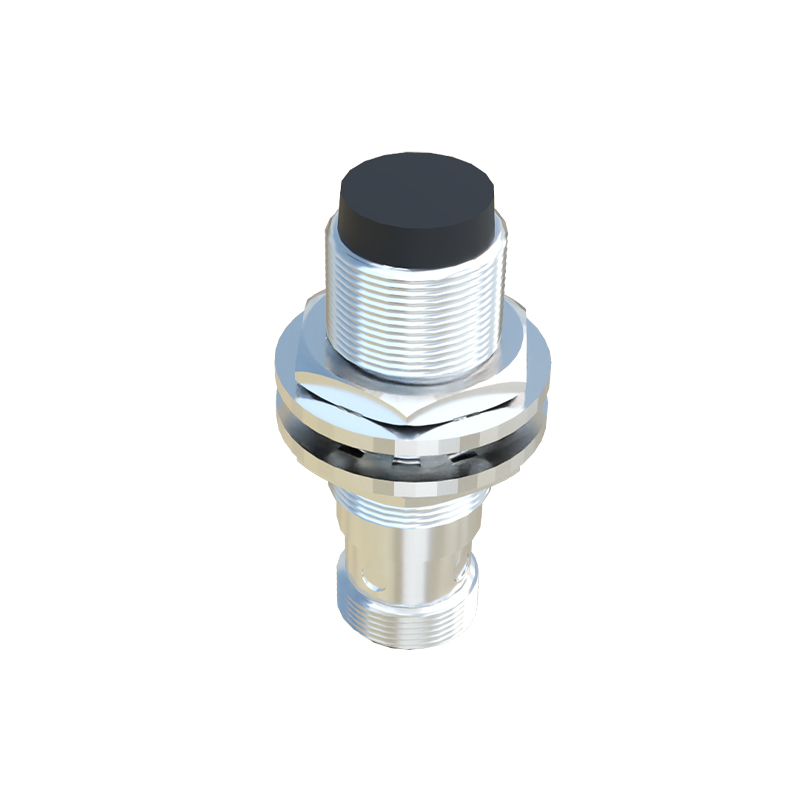
Ultrasonic sensors measure distance or detect objects using sound waves beyond human hearing. They emit high-frequency sound pulses and calculate the time for the echo to return. This technology is effective for detecting objects of any material, color, or transparency, and is largely unaffected by dust, smoke, or light conditions. Models are categorized by their housing and beam pattern. Cylindrical threaded models, such as the Banner QS18 Series, are common for general-purpose detection and distance measurement. Rectangular models like the Sick UM Series often feature advanced background suppression and programmable switching windows. For liquid level control in tanks, models with a remote, tank-mounted transducer (e.g., IFM L Series) are prevalent. High-performance models offer analog current or voltage outputs proportional to distance, enabling precise positioning tasks in material handling.
Photoelectric Sensor Models
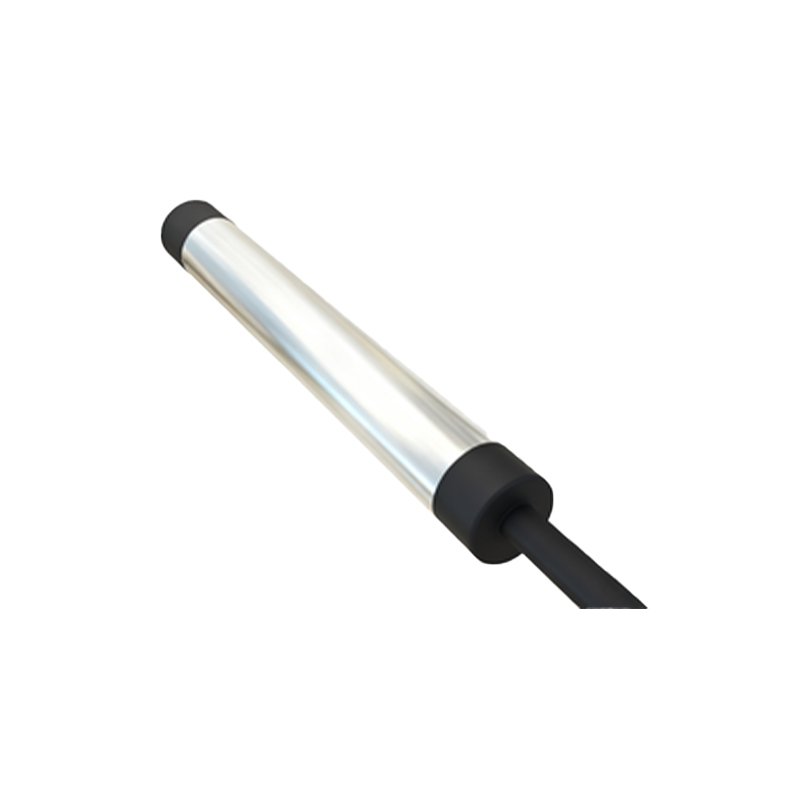
Photoelectric sensors use light to detect objects. They consist of an emitter (light source) and a receiver. The detection occurs when the target interrupts or reflects the light beam. This category has the most diverse model range. Through-beam models (e.g., Banner EZ-BEAM Series) have separate emitter and receiver units, offering the longest sensing ranges and high reliability. Retro-reflective models use a reflector and are suitable for medium ranges. Diffuse (proximity) models, like the Sick W4 Series, have the emitter and receiver in one housing and detect the light reflected directly from the target. Specialized models include background suppression sensors that ignore objects beyond a set distance, color mark sensors for detecting specific color contrasts, and fiber optic sensors (e.g., Keyence FU Series) for detecting microscopic