Understanding Infrared Proximity Sensors
Infrared proximity sensors are widely used in various industries for non-contact detection of objects. These sensors work by emitting infrared light and measuring the reflection to determine the presence or distance of an object. They are essential in applications such as robotics, automation, security systems, and consumer electronics. The cost of these sensors can vary significantly based on factors like technology, range, accuracy, and brand. Typically, prices range from a few dollars for basic models to hundreds of dollars for high-end versions with advanced features. Understanding the key components and specifications can help in selecting the right sensor for your needs without overspending.
Factors Influencing the Price
Several elements affect the cost of infrared proximity sensors. First, the sensing range plays a crucial role; sensors with longer detection distances (e.g., up to several meters) tend to be more expensive due to enhanced components. Second, accuracy and resolution are critical—higher precision sensors with minimal error margins often come at a premium. Third, additional features like ambient light rejection, adjustable sensitivity, or digital output interfaces (e.g., I2C or SPI) can increase the price. Fourth, the build quality and durability, especially for industrial environments, add to the cost. Finally, brand reputation and market demand also influence pricing, with well-known manufacturers charging more for reliability and support.
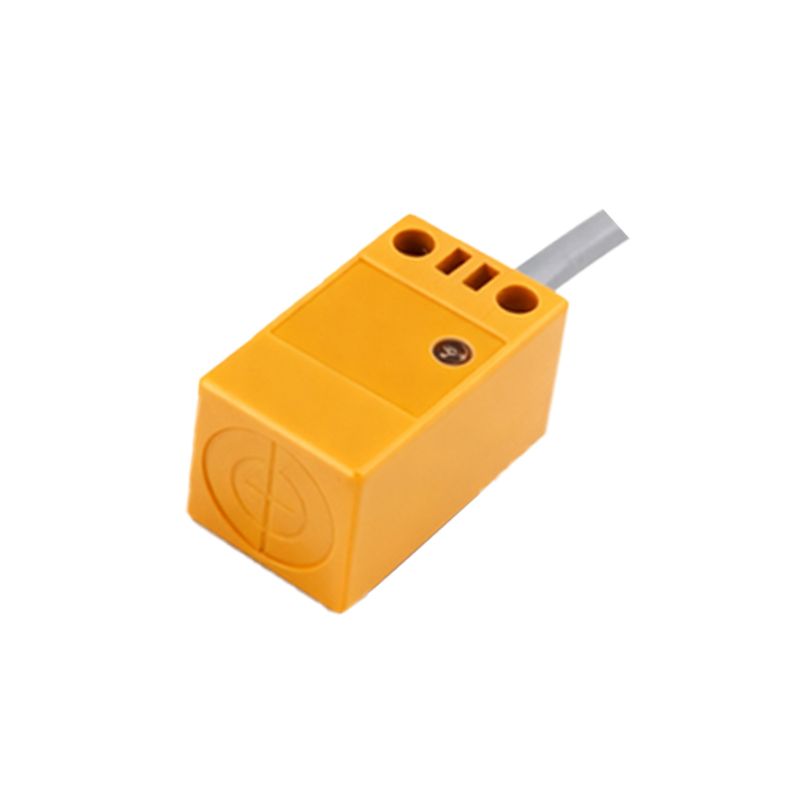
Price Range for Different Types
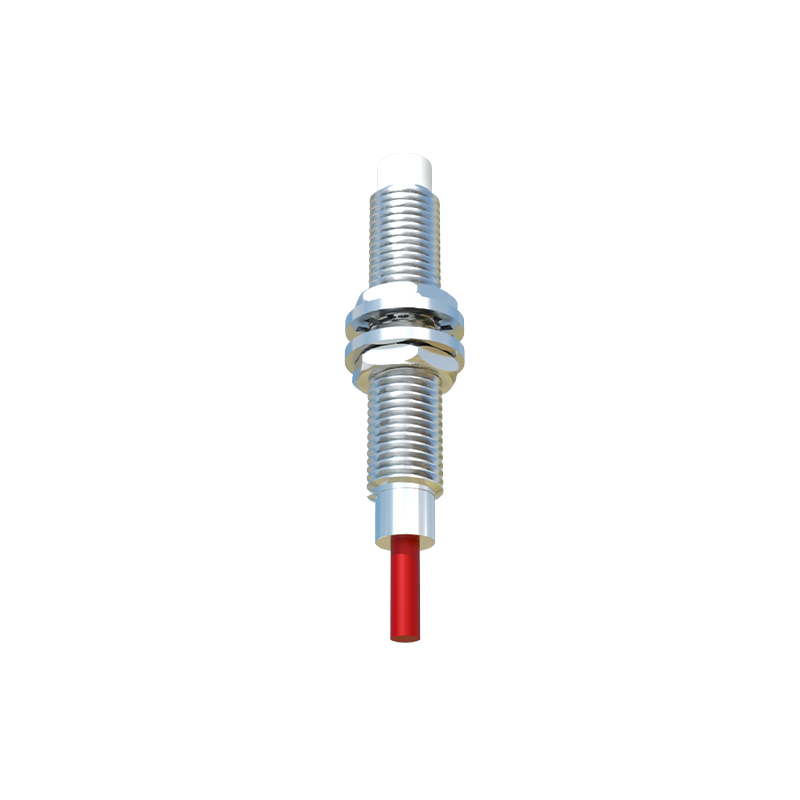
Infrared proximity sensors are available in various types, each with distinct price points. Basic passive infrared (PIR) sensors, commonly used in motion detection, can cost between $2 to $20, depending on sensitivity and housing. Active infrared sensors, which include both emitter and receiver, range from $5 to $50 for standard models with ranges up to 30 cm. For more advanced applications, such as time-of-flight (ToF) sensors that measure distance precisely, prices can start from $20 and go up to $200 or more. Industrial-grade sensors with rugged enclosures and extended temperature ranges often exceed $100, while consumer-grade options in electronics like smartphones are mass-produced and cheaper, sometimes under $1 in bulk orders.
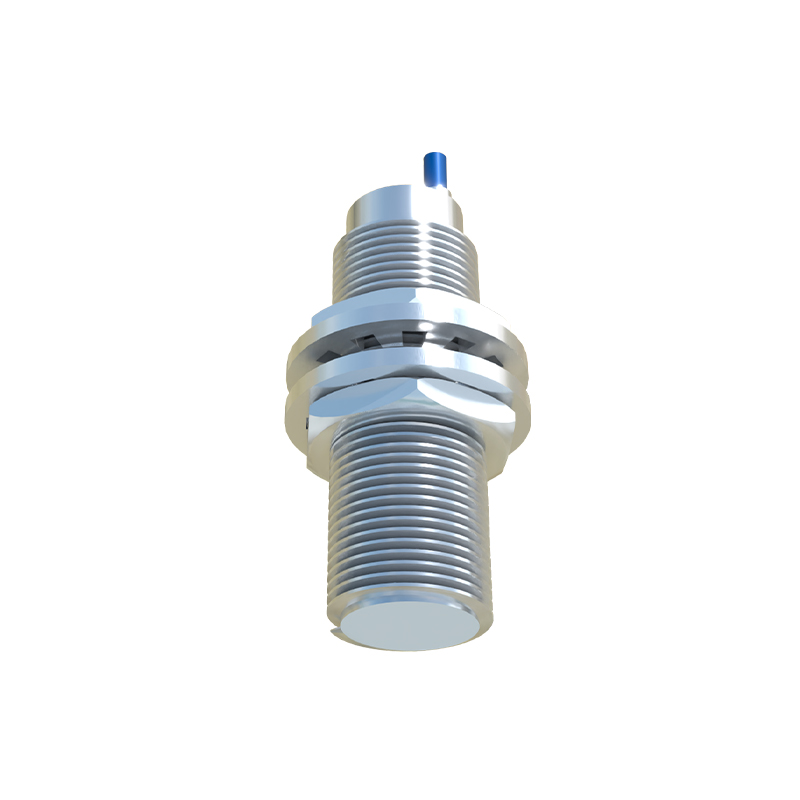
Cost Comparison by Application
In consumer electronics, infrared proximity sensors are often integrated into devices like smartphones for screen dimming, with costs as low as $0.50 to $5 per unit in large quantities. For automotive applications, such as parking assistance or obstacle detection, sensors may cost $10 to $100 due to higher durability and performance standards. In industrial automation, where precision and reliability are paramount, prices range from $50 to $300, including features like long-range detection and resistance to harsh conditions. Robotics and drone applications typically use mid-range sensors costing $20 to $150, balancing accuracy with affordability. It's important to consider total cost of ownership, including installation and maintenance, when budgeting for these sensors.
Tips for Reducing Expenses
To save money on infrared proximity sensors, consider buying in bulk if your project requires multiple units, as manufacturers often offer discounts for large orders. Opt for standard models without unnecessary features if basic functionality suffices. Sourcing from reputable suppliers or online marketplaces can provide competitive pricing, but ensure quality checks to avoid counterfeit products. Additionally, evaluating open-source or DIY alternatives might be cost-effective for prototyping, though they may lack the reliability of commercial options. Always compare specifications and read reviews to find the best value for your specific use case, and factor in potential long-term savings from energy-efficient or low-maintenance sensors.
Future Trends and Pricing Outlook
The market for infrared proximity sensors is evolving with advancements in technology, which may impact future costs. Innovations like miniaturization, improved energy efficiency, and integration with IoT (Internet of Things) are driving demand, potentially lowering prices through economies of scale. However, new features such as enhanced AI capabilities or multi-sensor fusion could increase costs for cutting-edge models. As competition grows among manufacturers, especially in regions like Asia, prices are expected to become more competitive for standard sensors. Overall, while high-performance sensors may remain premium, affordable options will likely become more accessible, making infrared proximity sensors a viable choice for a broader range of applications.