Introduction to the TL-Q5MC039 Proximity Sensor
The TL-Q5MC039 represents a significant advancement in inductive proximity sensing technology, designed specifically for demanding industrial environments. As a cylindrical, shielded, DC-operated sensor, it offers reliable non-contact detection of metallic objects. Its compact M18 housing makes it suitable for installations where space is at a premium. Engineered for durability, this sensor features a robust construction that withstands vibration, shock, and exposure to common industrial contaminants like cutting fluids and coolants. The core of its operation lies in generating an electromagnetic field; when a ferrous or non-ferrous metal target enters this field, it causes a change in oscillation amplitude, which the sensor's internal circuitry detects and converts into a clean switching signal. This fundamental principle ensures millions of maintenance-free operations, making it a cornerstone for automation tasks.
Key Technical Specifications and Performance Data
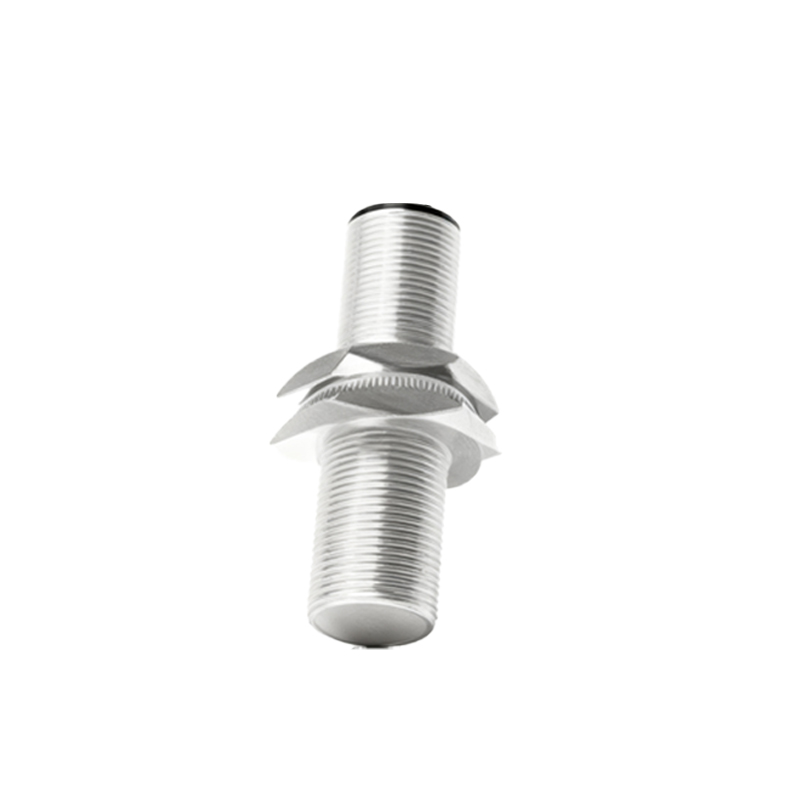
Understanding the technical parameters of the TL-Q5MC039 is crucial for proper integration. This sensor typically operates on a 10-30V DC supply, with a nominal switching current of 200mA. Its sensing distance, or nominal range, is standardized at 8mm for a standard mild steel target. It is vital to note that the actual sensing distance can vary with different metals; for instance, aluminum or brass may reduce the effective range. The sensor boasts a high switching frequency, allowing it to detect rapidly moving objects on production lines. Its output configuration is normally open (NO), providing a signal when a target is present. Key performance indicators include excellent repeat accuracy, minimal hysteresis, and protection against short-circuit, reverse polarity, and overcurrent conditions, which are essential for preventing downtime in automated systems.
Wiring and Installation Best Practices
Correct installation is paramount for optimal performance. The TL-Q5MC039 is a 3-wire device, with connections for brown (L+), blue (L-), and black (output). It is imperative to follow the manufacturer's wiring diagram precisely. For installation, ensure the mounting nut is properly tightened to the recommended torque to maintain IP67-rated ingress protection against dust and temporary immersion. The sensor should be mounted securely to minimize any positional drift. A critical consideration is maintaining the proper lateral and axial distance from the target and any surrounding metal structures to avoid false triggering or shielding effects. Always power down the circuit during installation or wiring changes. Utilizing conduit or cable glands for the connecting cable enhances longevity in harsh environments.
Application Scenarios in Modern Industry
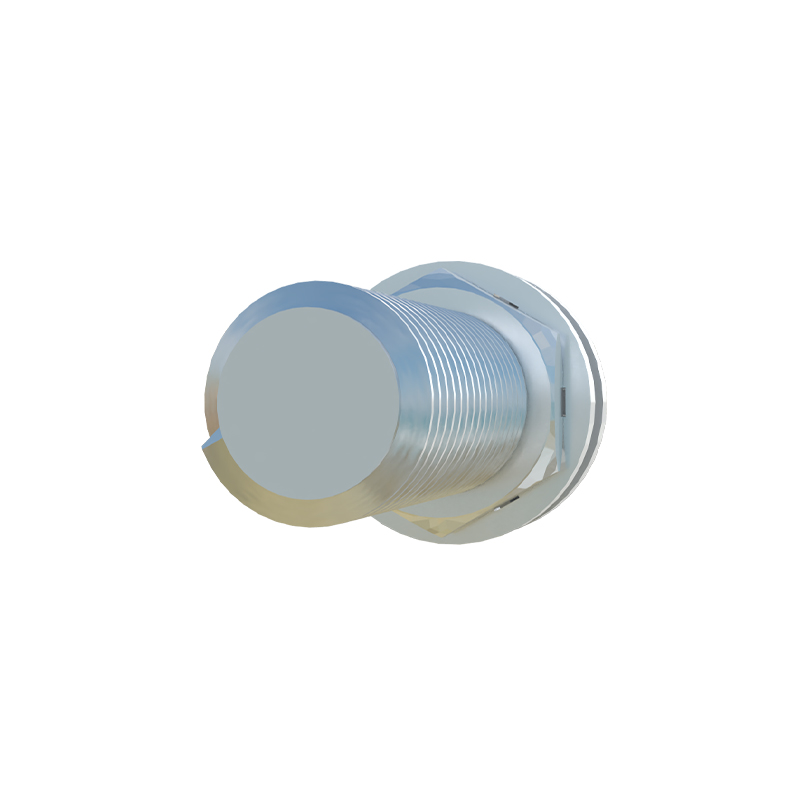
The versatility of the TL-Q5MC039 makes it indispensable across numerous sectors. In automotive manufacturing, it is used for part presence verification on assembly robots, ensuring components like pistons or gears are correctly positioned before a machining operation. On packaging lines, it counts metallic items on conveyor belts or detects the position of filler heads. Within metalworking and CNC machinery, it serves as a precise limit switch for tool positioning or workpiece detection. Its reliability is also leveraged in material handling systems for pallet positioning and in automated storage and retrieval systems (AS/RS) to confirm the presence of shuttle carts. These applications highlight its role in enhancing safety, precision, and efficiency.
Troubleshooting Common Operational Issues
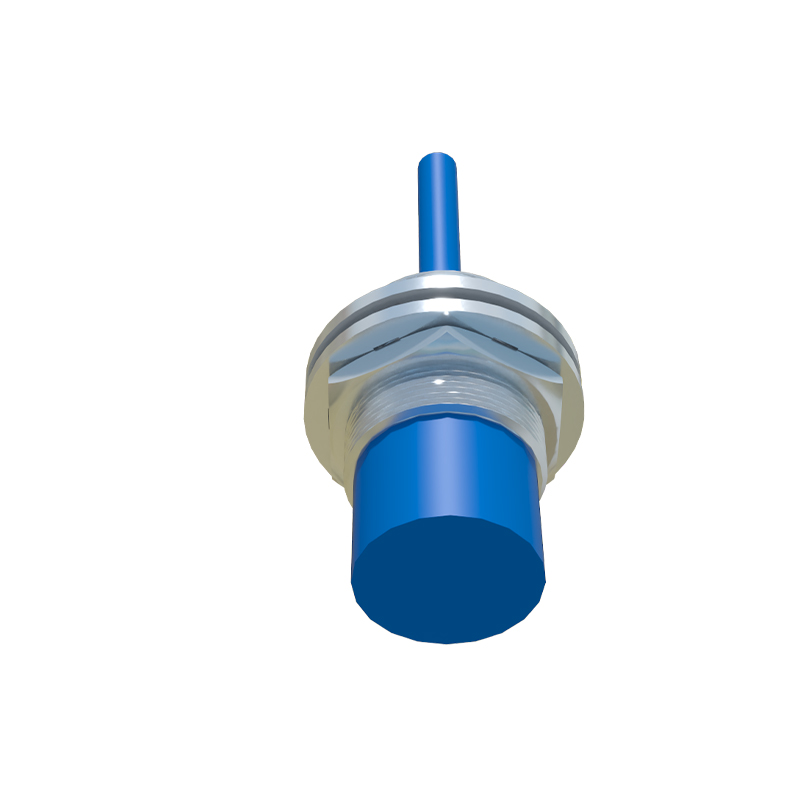
Even robust sensors can encounter issues. Common problems with proximity sensors like the TL-Q5MC039 include failure to detect a target, inconsistent switching, or no output signal. The first step is always to verify the power supply voltage and polarity at the sensor terminals. Next, check if the target material, size, and approach speed are within specified limits. Accumulation of metallic swarf or debris on the sensing face can drastically reduce the effective range and must be cleaned regularly. If the sensor is installed near other strong magnetic fields or large metal masses, interference may occur, necessitating repositioning. Using a multimeter to check the output state under target presence/absence conditions can isolate whether the issue is with the sensor or the downstream controller (PLC).
Advantages Over Alternative Sensing Technologies
Compared to other non-contact sensors like photoelectric or capacitive types, the inductive TL-Q5MC039 offers distinct benefits. Its primary advantage is complete immunity to environmental factors such as dust, smoke, fog, or ambient light, which often plague optical sensors. It provides highly stable detection of metals regardless of surface color or reflectivity. While capacitive sensors can detect non-metals, they are sensitive to humidity and material composition changes. The TL-Q5MC039's all-welded stainless steel sensing face and housing offer superior mechanical strength and chemical resistance compared to plastic-bodied sensors. For pure metal detection tasks in tough conditions, its combination of resilience, speed, and reliability is often unmatched, leading to lower total cost of ownership through reduced maintenance