In the realm of automation and smart technology, the ability to detect the presence or absence of an object without physical contact is fundamental. This is where proximity sensors come into play, and among the diverse range available, the Proximity Sensor C stands out as a particularly versatile and reliable component. This guide delves into the workings, applications, and key considerations of this essential detection device.
At its core, a Proximity Sensor C is a type of non-contact sensor designed to detect the presence of nearby objects. The "C" designation often refers to a specific model series or a classification based on its sensing principle, commonly capacitive sensing. Unlike inductive sensors that detect metals, capacitive proximity sensors can detect a wide variety of materials, including liquids, plastics, glass, and wood, by measuring changes in capacitance. When an object enters the sensor's electrostatic field, it alters the capacitance, triggering the sensor's output switch. This principle allows for remarkable flexibility in industrial and consumer applications.
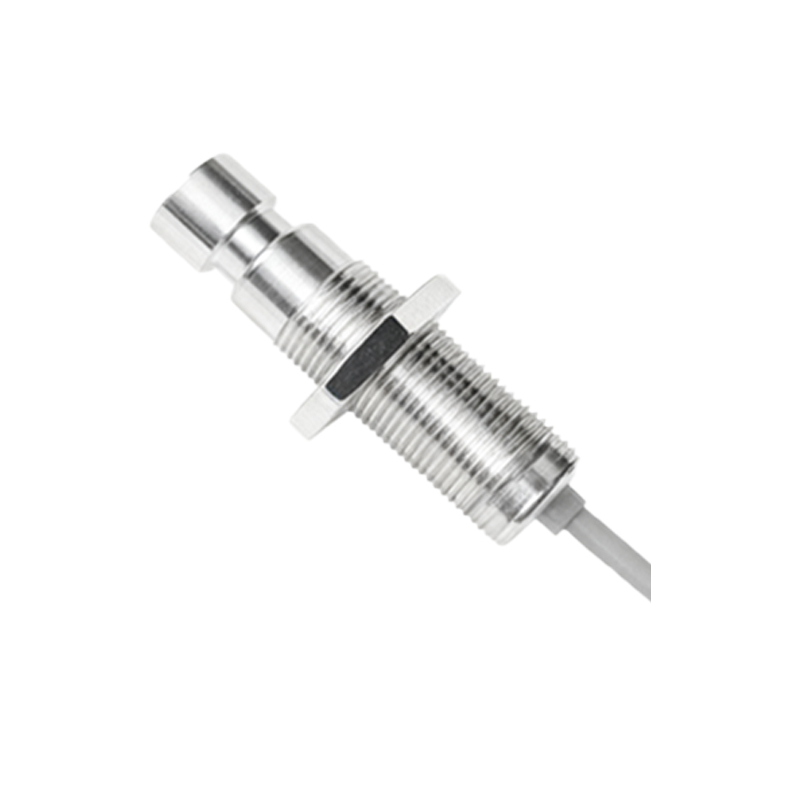
The operational advantages of Proximity Sensor C units are numerous. Their non-contact nature ensures no wear and tear on the sensor or the target, leading to exceptional longevity and reduced maintenance. They are highly reliable, capable of functioning in challenging environments where dirt, dust, or moisture might impede other sensing methods. Many models are designed to be resistant to environmental interference, providing stable detection. Furthermore, their response time is extremely fast, making them suitable for high-speed production lines and counting applications where precision and speed are critical.
The applications for Proximity Sensor C technology are vast and span multiple industries. In manufacturing and packaging, they are used for object detection, counting, and ensuring proper positioning on conveyor belts. In the automotive sector, they play roles in assembly line automation and liquid level detection in tanks. Within consumer electronics, they are the invisible force behind features like automatic screen shut-off during phone calls when the device is held to the ear. They are also integral to modern home appliances, security systems, and even interactive exhibits, detecting user presence to trigger specific actions.
Selecting the right Proximity Sensor C requires careful consideration of several parameters. The sensing range is paramount; it must be appropriate for the intended application without being overly sensitive to background objects. The target material significantly influences performance, as different substances affect capacitance differently. Environmental factors such as temperature extremes, potential chemical exposure, and electrical noise must be accounted for to ensure consistent operation. The output type—whether NPN or PNP, normally open or normally closed—must be compatible with the control system, such as a PLC (Programmable Logic Controller). Finally, the physical housing size and shape must fit the installation space constraints.
Installation and calibration are crucial steps for optimal performance. Sensors should be mounted securely to prevent vibration-induced errors. It is essential to maintain the recommended clearance from surrounding metal or other objects to avoid false triggering. For capacitive sensors, a sensitivity adjustment potentiometer is often provided, allowing fine-tuning to ignore non-target materials (like a container) and focus on the target material (like the liquid inside). Regular testing under actual operating conditions verifies reliable detection.
Looking ahead, the evolution of Proximity Sensor C technology continues. Trends point toward miniaturization, allowing integration into ever-smaller devices. Enhanced intelligence, such as IO-Link communication, enables sensors to provide diagnostic data and parameter settings directly to the control system, facilitating predictive maintenance and easier configuration. There is also a growing emphasis on developing sensors with even higher noise immunity and robustness for the most demanding industrial environments.
In conclusion, the Proximity Sensor C is a cornerstone of modern automated systems. Its capacitive sensing principle offers unique material versatility, while its robust, non-contact operation ensures durability and precision. From streamlining complex industrial processes to enabling intuitive user interfaces in everyday gadgets, its impact is profound. Understanding its capabilities, proper selection criteria, and installation best practices empowers engineers, technicians, and enthusiasts to effectively harness this powerful detection technology, driving efficiency and innovation across countless fields.