Photoelectric proximity sensors have become indispensable components in modern industrial automation, offering non-contact detection capabilities for various applications. Understanding the cost factors associated with these sensors is crucial for engineers, procurement specialists, and system integrators making informed purchasing decisions. The price range for photoelectric proximity sensors varies significantly, typically falling between $20 and $500 per unit, with specialized models exceeding $1000. This wide variation stems from multiple technical and commercial factors that directly impact performance and reliability.
Several core elements determine photoelectric sensor pricing. Sensing range represents a primary cost driver, with longer-range models requiring more precise optics and higher-power emitters, increasing manufacturing complexity. Standard diffuse sensors with ranges under 1 meter generally cost $25-$80, while polarized retro-reflective sensors with 10-meter ranges typically range from $80-$200. Through-beam sensors, offering the longest ranges up to 100 meters, command premium prices from $150-$500 due to their separate emitter and receiver components.
Detection technology significantly influences cost structure. Basic diffuse sensors using simple phototransistor receivers represent the most economical option. More advanced models incorporating background suppression technology, which ignores objects beyond a set distance, add $30-$100 to the base price. True background suppression through triangulation methods represents the highest implementation cost but provides unparalleled accuracy in challenging environments.
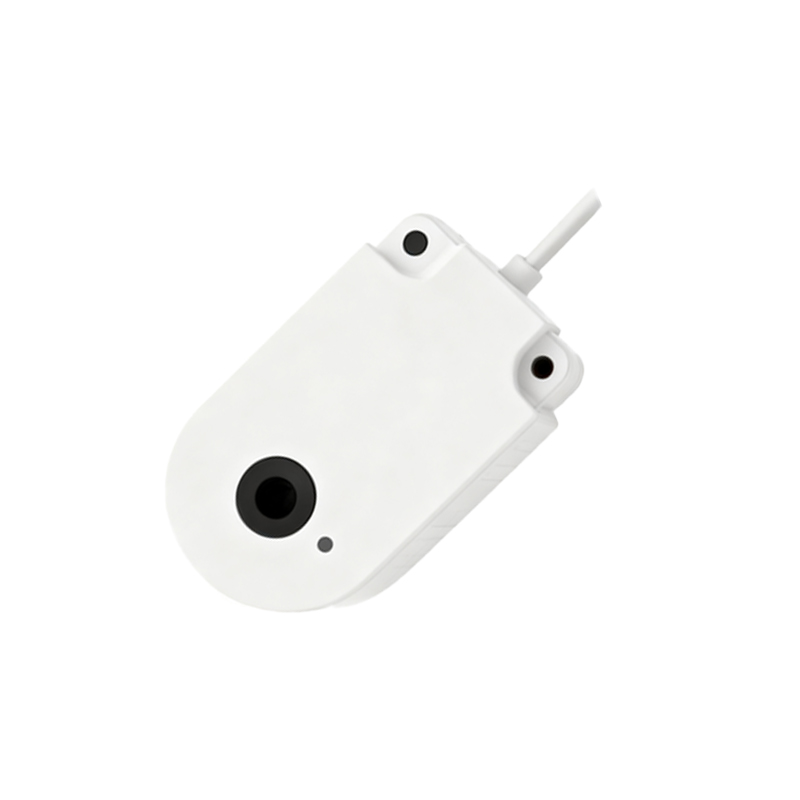
Environmental ratings substantially affect pricing. Standard IP67-rated sensors for dust and water resistance typically carry a 15-30% premium over basic industrial models. Explosion-proof certifications for hazardous locations (ATEX, IECEx) can double or triple sensor costs due to specialized housing and certification requirements. High-temperature variants rated for continuous operation above 70°C incorporate specialized components that increase prices by 40-60% compared to standard temperature models.
Output configuration and connectivity options contribute to cost differentiation. Basic models with single PNP or NPN transistor outputs represent the most affordable category. Sensors with analog outputs (0-10V, 4-20mA) for distance measurement typically cost 25-50% more than discrete output versions. Units featuring IO-Link digital communication capabilities generally command a 30-70% premium but offer enhanced diagnostics and parameterization features that reduce total system costs.
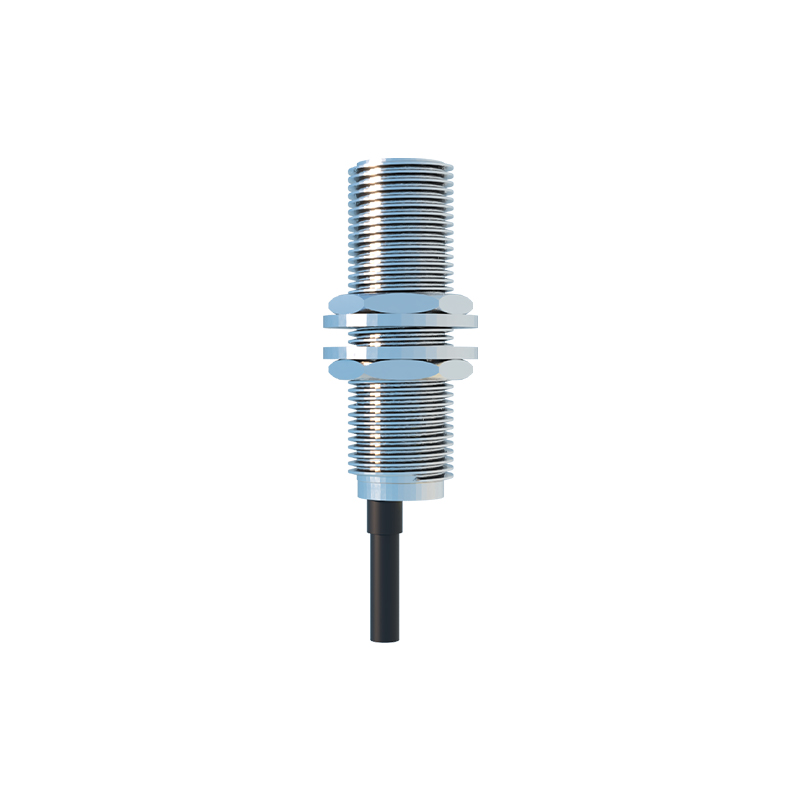
Housing material and construction quality impact both initial cost and long-term value. Stainless steel housings for corrosive environments typically cost 50-100% more than standard plastic or nickel-plated brass housings. Manufacturers investing in rigorous quality control and testing procedures generally price their products 10-25% higher than budget alternatives, reflecting improved reliability and longer service life.
Market competition has created distinct pricing tiers among manufacturers. Established European and Japanese brands typically position their products in the premium segment, with prices 20-40% higher than mid-range alternatives. These manufacturers justify their pricing through extensive R&D investments, global support networks, and documented mean time between failure (MTBF) statistics. Asian manufacturers increasingly offer competitive mid-range products with balanced performance-to-cost ratios, while budget-focused suppliers provide basic functionality at minimal prices, often sacrificing durability and technical support.
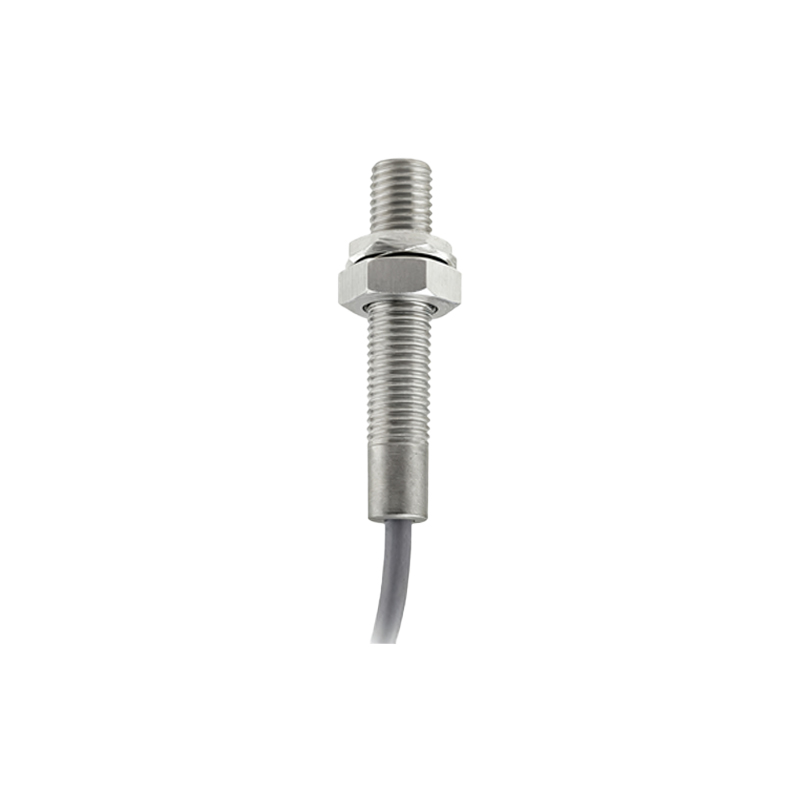
Quantity discounts substantially affect effective pricing in industrial applications. Single-unit purchases typically incur the highest per-unit costs, while volume orders of 100+ units commonly secure discounts of 15-30%. Original equipment manufacturers (OEMs) purchasing thousands of units annually often negotiate customized pricing 40-60% below published catalog rates, particularly when establishing long-term supply agreements.
Total cost of ownership extends beyond initial purchase price to include installation, maintenance, and downtime considerations. Higher-quality sensors with advanced diagnostics may reduce maintenance costs by 30-50% through predictive failure alerts and reduced troubleshooting time. Sensors with quick-disconnect fittings and standardized mounting configurations can cut installation expenses by 20-40% compared to models requiring custom brackets and wiring.
Emerging technologies are reshaping cost structures in the photoelectric sensor market. Miniaturized sensors utilizing surface-mount technology offer reduced material costs but require sophisticated manufacturing processes. Smart sensors with embedded condition monitoring capabilities represent a growing segment where higher initial costs are offset by reduced system integration expenses and improved operational efficiency.
Regional market dynamics influence pricing through import duties, certification requirements, and local competition. North American and European markets typically exhibit higher average prices due to stringent certification requirements and stronger emphasis on technical support. Asian markets, particularly China and Southeast Asia, feature more competitive pricing structures with greater availability of budget-conscious alternatives.
When evaluating photoelectric proximity sensor costs, professionals should consider application-specific requirements rather than pursuing the lowest initial price. The optimal selection balances performance specifications, environmental demands, reliability expectations, and long-term operational costs to achieve the best value throughout the sensor's operational lifecycle.