Understanding the Challenge of Electrical Noise
In modern industrial automation, the operational environment is often saturated with electromagnetic interference (EMI) from sources such as variable frequency drives (VFDs), welding equipment, large motors, and communication systems. This electrical noise can severely disrupt the performance of standard inductive, capacitive, or photoelectric proximity sensors, leading to false triggering, missed detections, or erratic behavior. Such unreliability compromises system integrity, increases downtime, and poses safety risks. The core challenge lies in the sensor's ability to distinguish the weak signal change caused by a target object from the overwhelming background of electromagnetic "noise." This necessitates a specialized class of sensors engineered not just for detection, but for robust, interference-immune operation.
Core Design Principles for Immunity
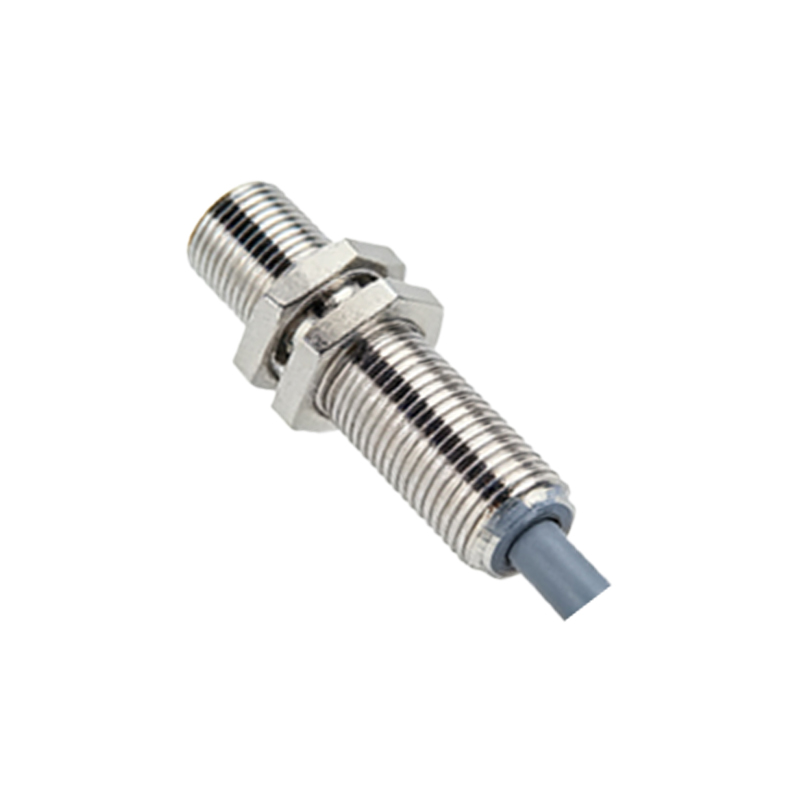
Anti-interference proximity sensors are built upon several foundational design principles. First is advanced shielding. Sensors incorporate multiple layers of shielding, often combining a robust metal housing (like stainless steel) with internal ferrite cores and copper shielding. This Faraday cage-like structure effectively attenuates external electromagnetic fields. Second is sophisticated electronic filtering. The sensor's internal circuitry employs a combination of hardware filters (e.g., low-pass filters to block high-frequency noise) and intelligent software algorithms that analyze the signal pattern over time, rejecting sporadic noise spikes while reliably detecting genuine target presence. Third is the use of frequency modulation or spread-spectrum techniques, where the sensor's operating frequency is varied or "spread" to avoid fixed-frequency interference sources.
Key Technologies and Features
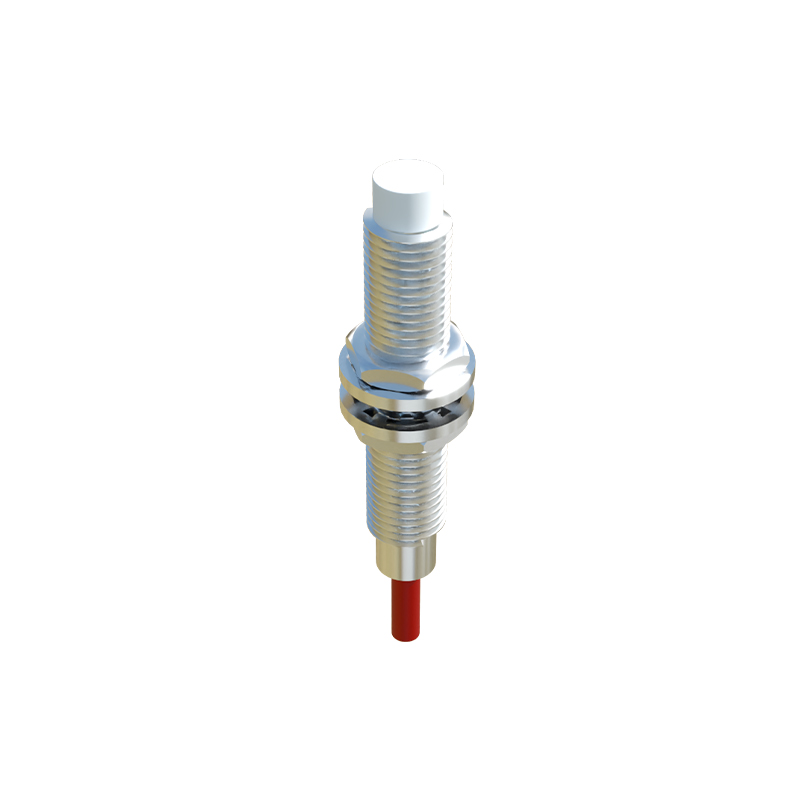
Several specific technologies define high-performance anti-interference sensors. DC-operated sensors with built-in surge protection and reverse polarity protection are inherently less susceptible to certain types of line-borne noise compared to some AC models. Sensors with a high degree of electromagnetic compatibility (EMC) compliance, meeting stringent standards like IEC 60947-5-2, are rigorously tested for immunity to electrostatic discharge (ESD), burst pulses, and radio frequency interference. Furthermore, models with a high signal-to-noise ratio (SNR) are critical; they amplify the target signal significantly more than any ambient noise picked up. Features like short-circuit protection, overload protection, and temperature stability also contribute to overall resilience in harsh electrical environments.
Application-Specific Selection Criteria
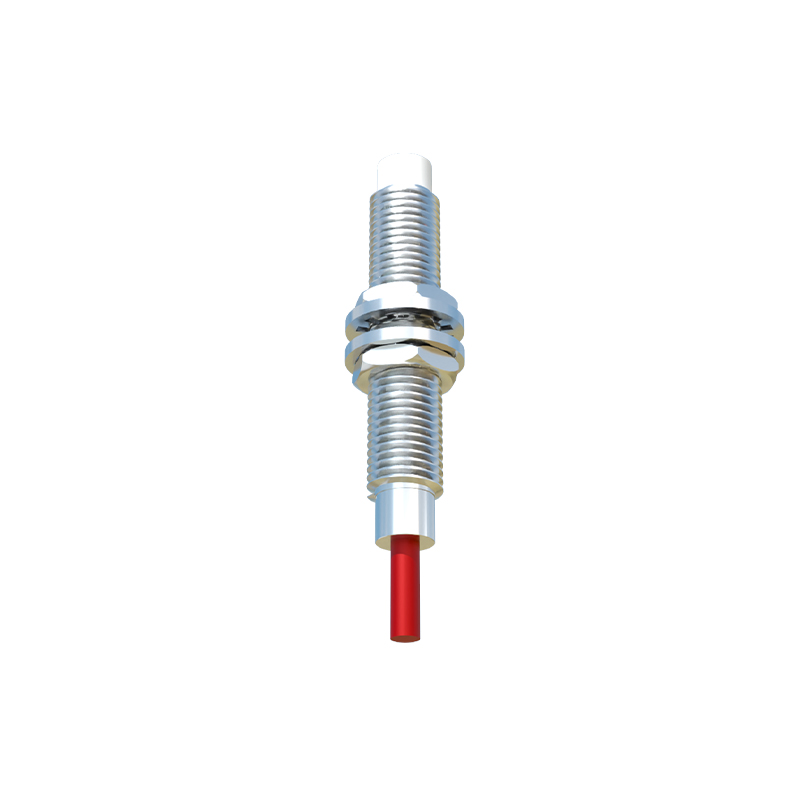
Selecting the right anti-interference sensor requires a detailed analysis of the application. The primary step is identifying the type and source of interference. Is it high-frequency radiation from RFID systems, conducted noise from motor starters on the same power line, or magnetic fields from nearby transformers? The sensor's specified immunity ratings should match these threats. Mounting considerations are crucial; flush-mountable sensors offer some inherent shielding, but non-flush models might require additional separation from metal surfaces or noise sources. The target material, required sensing distance, switching frequency, and output type (PNP/NPN, analog, IO-Link) must also be aligned with the application needs while maintaining the interference immunity profile.
Installation and Wiring Best Practices
Even the best sensor can be compromised by poor installation. Proper wiring is paramount. Using shielded cables, with the shield properly grounded at the controller end only (to avoid ground loops), is essential. Cables should be routed away from power lines, motor leads, and other high-noise sources, preferably in separate conduits. Power supplies for sensors should be stable and, if possible, isolated or filtered to prevent noise from entering the system. Ensuring good, clean grounding for the entire machine or control panel, following star-point grounding principles, minimizes potential differences that can induce noise. Keeping cable runs as short as possible reduces the antenna effect that can pick up interference.
The Role of Smart Sensor Diagnostics
Modern anti-interference proximity sensors increasingly incorporate smart diagnostic features that aid in troubleshooting and maintaining reliability in noisy settings. Sensors with IO-Link communication can provide real-time data on signal strength, operating temperature, and supply voltage, allowing operators to monitor performance degradation before a failure occurs. Some models feature LED indicators that show not just switching status but also signal quality or warning states. This proactive diagnostic capability enables predictive maintenance, allowing for intervention before electrical noise or other factors lead to a production stoppage, thereby maximizing system uptime and operational confidence.
Future Trends and Conclusion
The evolution of anti-interference technology continues alongside industrial trends like the Industrial Internet of Things (IIoT) and increased motor drive usage. Future sensors will likely integrate more advanced digital signal processing (DSP) on-chip, enabling even smarter adaptive filtering that can learn and compensate for specific environmental noise patterns. Wireless sensor designs will face unique EMI challenges, driving innovation in RF immunity. In conclusion, specifying and applying anti-interference proximity sensors is a critical engineering