Introduction to Photoelectric Proximity Sensors
In the realm of industrial automation, photoelectric proximity sensors are indispensable components. These devices detect the presence, absence, or distance of an object using a light transmitter and receiver. Unlike inductive or capacitive sensors, they are not limited to detecting metallic objects, making them incredibly versatile for applications ranging from packaging and material handling to assembly line monitoring and safety systems. The core principle involves emitting a beam of light—visible red, infrared, or laser—and analyzing the reflected light. Variations include through-beam, retro-reflective, and diffuse reflective models, each suited for specific detection challenges. Their non-contact nature ensures no physical wear on the sensor or the target, leading to high reliability and long service life in demanding environments. Selecting the right sensor involves considering factors like sensing range, response time, environmental resistance, and output type. This guide focuses on the leading brands that manufacture these critical components, highlighting their technological strengths and market positioning.
Key Global Market Leaders
Several established corporations dominate the global market for photoelectric sensors, known for their innovation, reliability, and extensive product portfolios. SICK AG, headquartered in Germany, is a powerhouse in sensor intelligence. Their photoelectric sensor range is renowned for high precision, robust housing (often meeting IP67/IP69K ratings), and advanced features like background suppression and precise background evaluation. They offer solutions for the most challenging applications, including hygienic environments and long-range detection. Another German giant, ifm electronic, excels in providing user-friendly, robust sensors. ifm's devices are celebrated for their ease of setup, often featuring innovative tools like visual setup aids (IO-Link), and exceptional durability. Their product line covers all standard types with a strong focus on solving practical application problems in machinery and plant engineering. From Japan, Keyence Corporation stands out for its cutting-edge technology and high-performance sensors. Keyence frequently pushes the boundaries with ultra-compact designs, extremely long sensing ranges, and sophisticated functions such as precise color detection and luminescence recognition. Their sensors are often the choice for high-speed, high-accuracy applications in electronics and semiconductor manufacturing.
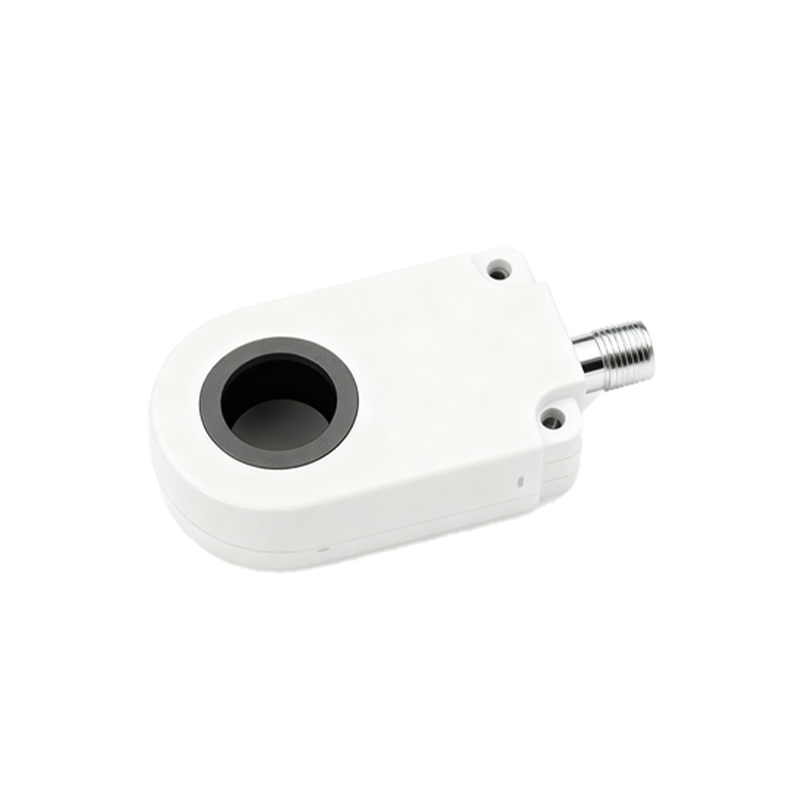
Established Industrial Automation Brands
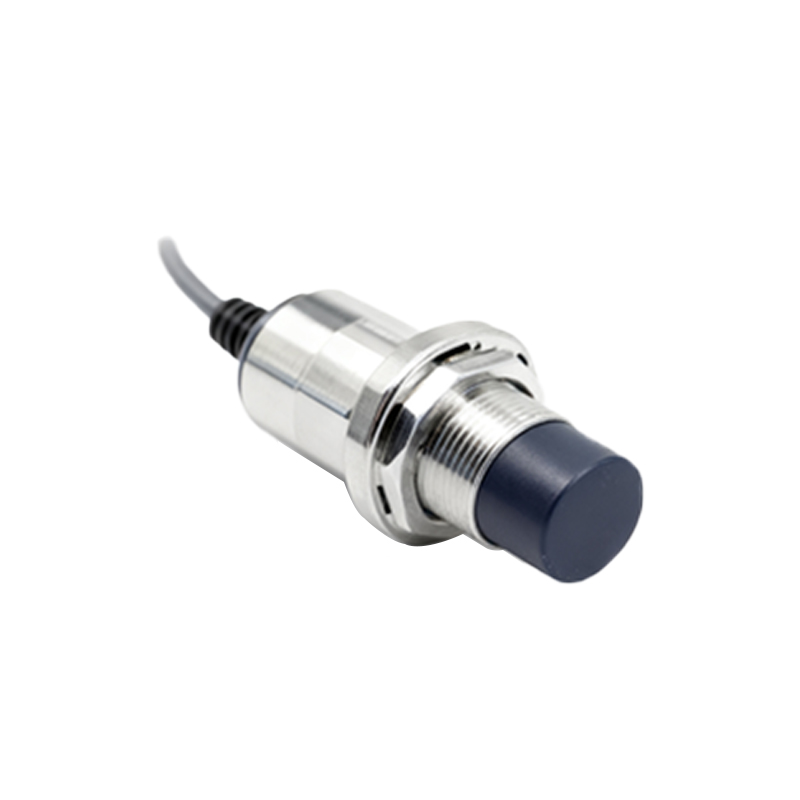
Beyond the pure sensor specialists, major players in industrial automation offer comprehensive photoelectric sensor lines as part of their broader control ecosystem. Omron Corporation, a Japanese multinational, provides an exceptionally wide array of photoelectric sensors. Omron is known for its consistent quality, innovation in miniaturization, and the development of specialized sensors like those with built-in amplifiers or fiber optic units. Their sensors are a common sight in factory automation worldwide. Similarly, Rockwell Automation (Allen-Bradley) and Siemens AG integrate photoelectric sensors into their vast automation architectures. Rockwell's Allen-Bradley sensors are designed for seamless integration with their programmable logic controllers (PLCs) and networks, offering strong performance and reliability for North American and global markets. Siemens, with its Simatic brand, provides a full spectrum of photoelectric sensors known for high interference immunity and durability, perfectly complementing their Totally Integrated Automation (TIA) concept. These brands are ideal for users seeking a unified supplier for sensors, controllers, and software.
Specialized and Niche Manufacturers
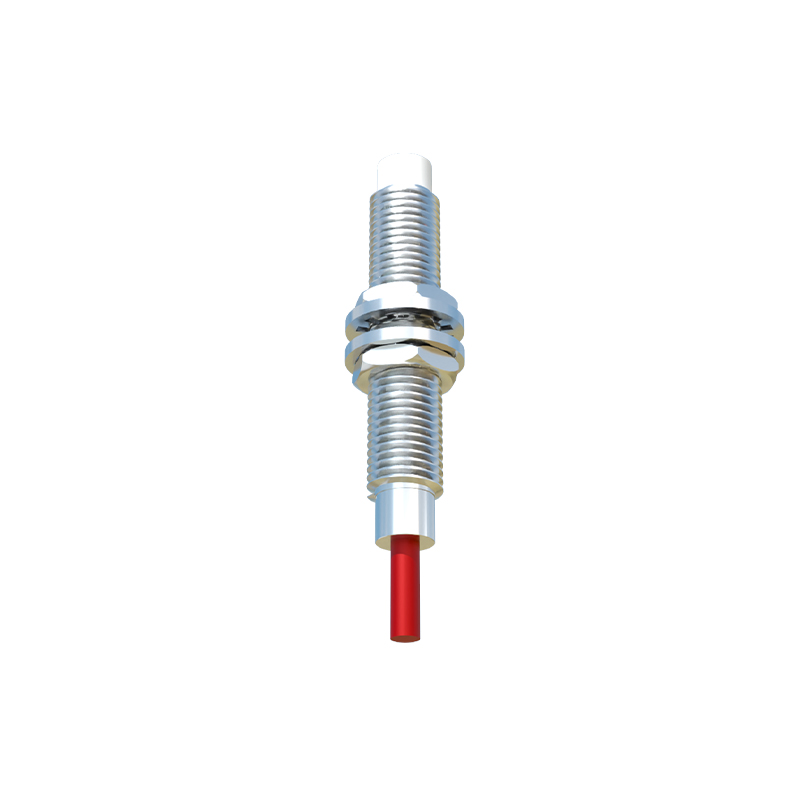
The market also features highly specialized manufacturers that cater to specific needs or offer unique technological advantages. Banner Engineering, based in the United States, is a sensor-focused company with a stellar reputation for quality and application support. They offer an incredibly diverse catalog, including innovative designs like cylindrical sensors with patented technology for sensing difficult targets and ultra-long-range sensors. Banner is particularly strong in safety light curtains and area guarding systems as well. Pepperl+Fuchs, another German specialist in factory and process automation, is a leader in intrinsic safety and hazardous area sensors. Their photoelectric sensors for explosive atmospheres (ATEX, IECEx) are industry benchmarks. They also excel in innovative sensing principles and robust designs for harsh industrial environments. Balluff GmbH, also from Germany, is noted for its high-quality sensors and strong emphasis on industrial identification and networking solutions, often incorporating IO-Link for smart sensor capabilities.
Factors in Brand Selection
Choosing among these top photoelectric proximity sensor brands requires a careful evaluation of several factors beyond just the product datasheet. Application Requirements are paramount: consider the required sensing distance, target material (color, transparency, surface finish), required speed (response time), and the environmental conditions (dust, moisture, temperature, washdown needs). Technical Support and Availability are critical; local distributor networks, application engineering support, and short lead times can significantly impact project timelines. System Integration is another key consideration. If your facility standardizes on a specific